Topic: Omnivores

  • Ecosystems Powerpoint

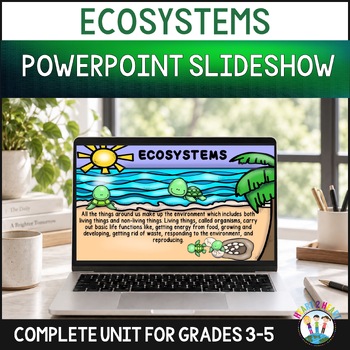
    Ecosystems Powerpoint

    This 100 slide presentation is artfully designed to complement your unit on Ecosystems!

    An ecosystem can be huge like the Amazon Rainforest or as small as a puddle in your backyard. There are both living and non-living things make up an ecosystem.

    This unit is geared for 3rd grade, 4th grade, and 5th-grade students. It includes information about the following environmental science topics:
    ✔ Types of Ecosystems (Micro, Messo, Biomes)
    ✔ Biomes: Aquatic and Terrestrial
    ✔ Abiotic and Biotic
    ✔ Herbivores, Carnivores, and Omnivores
    ✔ Natural Cycles of Earth
    ✔ The Balance of Nature
    ✔ Producers, Consumers, and Decomposers
    ✔ Photosynthesis
    ✔ Animals Basic Needs
    ✔ Food Webs & Chains
    ✔ For Upper Elementary Grades – Third grade, Fourth grade, Fifth grade
    ✔ Common Core Aligned

    This Ecosystems Slideshow Presentation includes a:
    100 slide PowerPoint all about Ecosystems—with colorful clipart and real-life photos. There are slides on each concept with comprehension questions and vocabulary slides, too!

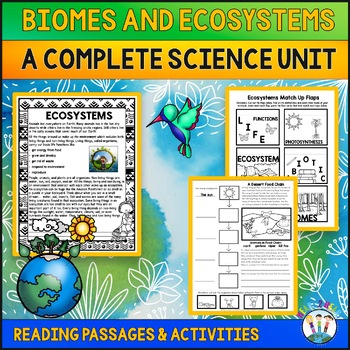
  • Biomes and Ecosystems Worksheets 3rd-5th Grade Food Chains Webs Photosynthesis

    Biomes and Ecosystems Worksheets 3rd-5th Grade Food Chains Webs Photosynthesis

    3rd, 4th, 5th Grade Ecosystems reading passages, activities, and worksheets. With this BEST SELLER, kids will learn all about the different types of ecosystems, biomes, food chains, food webs, photosynthesis, producers, consumers, decomposers, animal needs, herbivores, carnivores, and omnivores, and how they interact with each other.

    Topics Covered:

    • Types of Ecosystems (Micro, Meso, Biomes)
    • Biomes: Aquatic and Terrestrial
    • Abiotic and Biotic
    • Herbivores, Carnivores, and Omnivores
    • Natural Cycles of Earth
    • The Balance of Nature
    • Producers, Consumers, and Decomposers
    • Photosynthesis
    • Animals Basic Needs
    • Food Webs and Food Chains

    With Lots of Engaging Activities

    • Tri-fold (Brochure) Organizers for INBs
    • Comprehension Questions
    • Flipbook (5-pages)
    • Photosynthesis Sequence Activity
    • Producers, Consumers, Decomposers Notebook Flaps
    • Ecosystems Match-up Flaps
    • Video Links shared on YouTube
    • Cloze Passages
    • Vocabulary Posters
    • Vocabulary Flip Flaps
    • Spotlight on Vocabulary
    • Rainforest Food Chain Activity
    • Desert Food Chain Activity
    • Fact or Fiction Activities
    • Teacher’s Pacing Guide
    • Unit Test (Easel Assessment)
    • Answer Keys
    • Diagrams for Photosynthesis
    • Diagrams for Food Chains
    • Plus students will meet a famous environmentalist, John Muir

    ❤️ Why Teachers Love It:

    ✅ Easy to Implement – Ready-to-go with pacing guide and answer keys

    ✅ Cross-Curricular – Builds science knowledge and literacy skills

    ✅ Supports Diverse Learners – Variety of formats, hands-on, and includes visuals

    ✅ Encourages Critical Thinking – Students explore cause and effect, interdependence, and food chains

    ✅ Promotes Environmental Awareness – Helps students understand the importance of balance in nature

    Frequently Asked Questions:

    Q: What grade levels is this unit best suited for?
    A: This unit is ideal for grades 2–4 and can be adapted for 5th graders. The materials include visuals, interactive elements, and leveled support to accommodate diverse learners.

    Q: Is this unit aligned with science standards?
    A: Yes! It aligns with NGSS, CCSS ELA, TEKS, and VA SOL for ecosystems, food chains/webs, producers/consumers/decomposers, and environmental awareness.

    Q: Can I use this with interactive notebooks?
    A: Absolutely! The flipbook, flaps, tri-folds, and match-up activities are all designed for use in interactive notebooks or as stand-alone learning tools.

    Q: Are answer keys and a pacing guide included?
    A: Yes! A full teacher pacing guide and answer keys for all major activities and the unit test are included.

    Q: Is there resource digital version available?
    A: Yes! You can find a DIGITAL version of this resource is available for Google Classroom here.

    This ecosystem unit is perfect for science centers, whole-group instruction, or independent learning. It’s ideal for grades 3–5 and will save you hours of planning while keeping your students engaged and excited about science.
  • Let’s Learn About Animals with Carnivores, Herbivores, and Omnivores

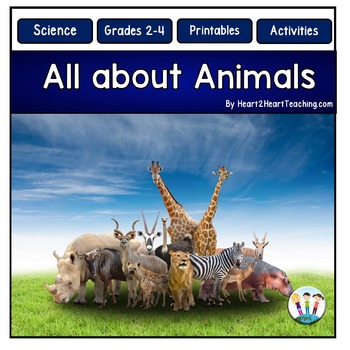
    Let’s Learn About Animals with Carnivores, Herbivores, and Omnivores

    Students will love learning all about herbivores, carnivores, omnivores with this fun and engaging resource. This unit includes articles, trifold organizers, and activities to accompany the study of each type of animal.

    Case studies and a variety of activities are included for each:
    ⭐ Herbivores,
    ⭐ Carnivores
    ⭐ Omnivores

    Plus there are lots of kid-friendly and engaging activities:
    ✔ Tri-fold Organizers—perfect for INBs
    ✔ Comprehension Questions
    ✔ Five Facts Webs
    ✔ Pocket Animal Cut and Sort Activity
    ✔ Can you find? coloring activities
    ✔ Fact or Fiction Activities
    ✔ Vocabulary Posters
    ✔ Vocabulary Flip Flaps

    There are 3 Main Activities:

    Vocabulary:
    Introduce the vocabulary words with the real-life photo posters. You could post these posters around the classroom and have the students travel around to write the definitions under the flip flaps in their notebooks. These look fantastic on a bulletin board too!

    Reading – Set up Learning Stations:
    Set up a learning station or science center for each type of animal. For each station print and copy the following:
    ✔ Reading Passages
    ✔ Tri-fold Organizers (copy back to back)
    ✔ Five Facts Webs
    ✔ Identify & Sort Photo Activities
    ✔ Fact or Fiction Coloring Activities

    Have students read the passages, answer the questions, and complete the tri-fold organizers for each one.

    Student Activities:
    There are lots of activities included for partner work, fast-finishers, whole group discussion, homework, or for reviewing at the end of the unit.
    ✔ Pocket Animal Sort Activity
    ✔ Can you find coloring activity

    Be sure to check out the PREVIEW for more information