Topic: Science

  • Ecosystems Powerpoint

    Ecosystems Powerpoint

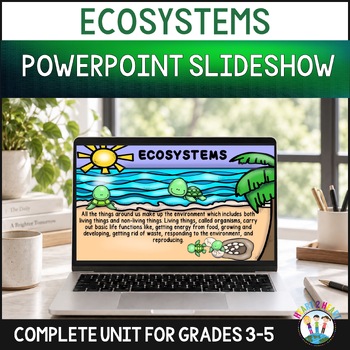
    This 100 slide presentation is artfully designed to complement your unit on Ecosystems!

    An ecosystem can be huge like the Amazon Rainforest or as small as a puddle in your backyard. There are both living and non-living things make up an ecosystem.

    This unit is geared for 3rd grade, 4th grade, and 5th-grade students. It includes information about the following environmental science topics:
    ✔ Types of Ecosystems (Micro, Messo, Biomes)
    ✔ Biomes: Aquatic and Terrestrial
    ✔ Abiotic and Biotic
    ✔ Herbivores, Carnivores, and Omnivores
    ✔ Natural Cycles of Earth
    ✔ The Balance of Nature
    ✔ Producers, Consumers, and Decomposers
    ✔ Photosynthesis
    ✔ Animals Basic Needs
    ✔ Food Webs & Chains
    ✔ For Upper Elementary Grades – Third grade, Fourth grade, Fifth grade
    ✔ Common Core Aligned

    This Ecosystems Slideshow Presentation includes a:
    100 slide PowerPoint all about Ecosystems—with colorful clipart and real-life photos. There are slides on each concept with comprehension questions and vocabulary slides, too!

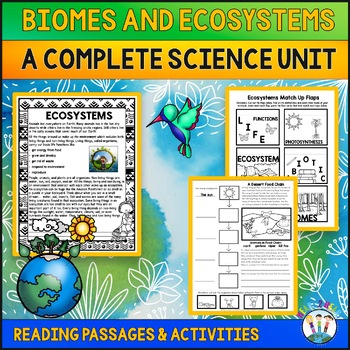
  • Biomes and Ecosystems Worksheets 3rd-5th Grade Food Chains Webs Photosynthesis

    Biomes and Ecosystems Worksheets 3rd-5th Grade Food Chains Webs Photosynthesis

    3rd, 4th, 5th Grade Ecosystems reading passages, activities, and worksheets. With this BEST SELLER, kids will learn all about the different types of ecosystems, biomes, food chains, food webs, photosynthesis, producers, consumers, decomposers, animal needs, herbivores, carnivores, and omnivores, and how they interact with each other.

    Topics Covered:

    • Types of Ecosystems (Micro, Meso, Biomes)
    • Biomes: Aquatic and Terrestrial
    • Abiotic and Biotic
    • Herbivores, Carnivores, and Omnivores
    • Natural Cycles of Earth
    • The Balance of Nature
    • Producers, Consumers, and Decomposers
    • Photosynthesis
    • Animals Basic Needs
    • Food Webs and Food Chains

    With Lots of Engaging Activities

    • Tri-fold (Brochure) Organizers for INBs
    • Comprehension Questions
    • Flipbook (5-pages)
    • Photosynthesis Sequence Activity
    • Producers, Consumers, Decomposers Notebook Flaps
    • Ecosystems Match-up Flaps
    • Video Links shared on YouTube
    • Cloze Passages
    • Vocabulary Posters
    • Vocabulary Flip Flaps
    • Spotlight on Vocabulary
    • Rainforest Food Chain Activity
    • Desert Food Chain Activity
    • Fact or Fiction Activities
    • Teacher’s Pacing Guide
    • Unit Test (Easel Assessment)
    • Answer Keys
    • Diagrams for Photosynthesis
    • Diagrams for Food Chains
    • Plus students will meet a famous environmentalist, John Muir

    ❤️ Why Teachers Love It:

    ✅ Easy to Implement – Ready-to-go with pacing guide and answer keys

    ✅ Cross-Curricular – Builds science knowledge and literacy skills

    ✅ Supports Diverse Learners – Variety of formats, hands-on, and includes visuals

    ✅ Encourages Critical Thinking – Students explore cause and effect, interdependence, and food chains

    ✅ Promotes Environmental Awareness – Helps students understand the importance of balance in nature

    Frequently Asked Questions:

    Q: What grade levels is this unit best suited for?
    A: This unit is ideal for grades 2–4 and can be adapted for 5th graders. The materials include visuals, interactive elements, and leveled support to accommodate diverse learners.

    Q: Is this unit aligned with science standards?
    A: Yes! It aligns with NGSS, CCSS ELA, TEKS, and VA SOL for ecosystems, food chains/webs, producers/consumers/decomposers, and environmental awareness.

    Q: Can I use this with interactive notebooks?
    A: Absolutely! The flipbook, flaps, tri-folds, and match-up activities are all designed for use in interactive notebooks or as stand-alone learning tools.

    Q: Are answer keys and a pacing guide included?
    A: Yes! A full teacher pacing guide and answer keys for all major activities and the unit test are included.

    Q: Is there resource digital version available?
    A: Yes! You can find a DIGITAL version of this resource is available for Google Classroom here.

    This ecosystem unit is perfect for science centers, whole-group instruction, or independent learning. It’s ideal for grades 3–5 and will save you hours of planning while keeping your students engaged and excited about science.
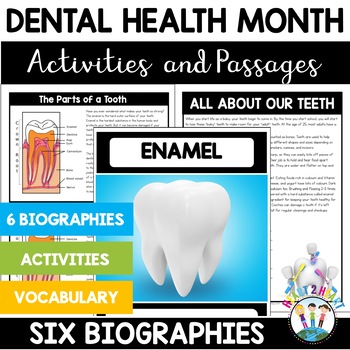
  • Dental Health Month Activities: Our Bones & Teeth, and the Parts of a Tooth

    Dental Health Month Activities: Our Bones & Teeth, and the Parts of a Tooth

    Celebrate Dental Health Month with this fun and informative resource. This unit has reading passages and related activities all about our bones, teeth, and the parts of a tooth. There are lots of comprehension and connections activities for students to show what they know. Colorful vocabulary posters and a 5-page flip book are included too!

    There are informational articles about:

    ⭐ Bones are Tough!

    ⭐ All About Our Teeth

    ⭐ The Parts of a Tooth

    Students can apply their knowledge and show what they know with these connection activities:

    ✔ Comprehension Questions

    ✔ Organizers

    ✔ Label the Parts of a Tooth

    ✔ True/False Questions

    ✔ Calcium Needed Activity

    ✔ Vocabulary Posters: Calcium, Canines, Enamel, Fluoride, Incisors, Molars, Bones

    ✔ Vocabulary Match-up

    ✔ Spotlight on Vocabulary

    ✔ PLUS a 5 Page Flip Book

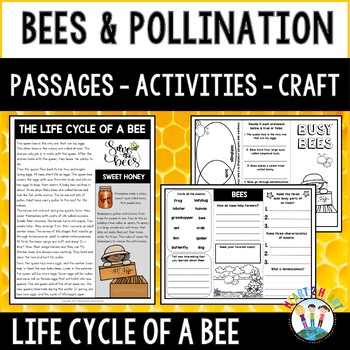
  • All About Bees and Pollination & Life Cycle of a Bee Activities Craft & Passages

    All About Bees and Pollination & Life Cycle of a Bee Activities Craft & Passages

    Engage your students with a buzzing unit that brings the life cycle of a bee to life! This resource is packed with hands-on bee activities, informative bee comprehension passages and worksheets, and a creative bee craft that students will love. They will gain a deeper understanding of how bees grow from eggs to adults and the critical role they play in pollination.

    What’s Included:

    • Life Cycle of a Bee Reading Passage & Diagrams
    • Label-the-stages activity for the bee life cycle
    • Fill-in-the-blank for key vocabulary
    • Bee Craft Flip-Up Booklet : Students cut, fold, and assemble a charming booklet that illustrates each phase of the life cycle of a bee , perfect for bulletin boards or science notebooks.
    • Reading passage on pollination and how bees carry pollen from flower to flower.
    • Diagram labeling bee body parts involved in pollination
    • Short comprehension questions to check for understanding
    • PLUS a 5-page Flip Book
  • Be a Super Science Sleuth: Ecosystems Scavenger Hunt

    Be a Super Science Sleuth: Ecosystems Scavenger Hunt

    Students will love this fun scavenger hunt to learn about ecosystems, photosynthesis, abiotic, biotic, carnivores, omnivores, and herbivores.

    This mini-unit includes seven short passages with real-life photos to post around the classroom. Using the two organizers and a clipboard students act as detectives to track down the answers to the questions.

    This is a wonderful way to get students actively involved with the information literally by getting them up and out of their seats.

    If desired, you could do this as a stations or centers activity too! This works fantastic as an introduction at the beginning of the unit or as a review activity. It’s perfect for partners or group work.

    Little prep work to save you time:
    ✔ Print posters and organizers
    ✔ Copy two scavenger hunt organizers back to back
    ✔ Post posters around the classroom (or at stations/centers)
    ✔ Assign partners or groups
    ✔ Hand out scavenger hunt organizers and clipboards
    ✔ Set timer (about 5-8)
    ✔ Have students rotate to the next spot

    There is an additional ”ECOSYSTEMS” acrostic chart for students to write down one fact for each letter. This works well for fast finishers or as an additional challenge activity. Hope your students love this activity as much as mine do! Answer keys are included.

    This set includes:
    ⭐ 7 Ecosystem Passage Posters
    ⭐ Ecosystems Scavenger Hunt Organizers (2 pages)
    ⭐ Ecosystems Acrostic Chart to collect 10 additional facts
    ⭐ Answer Key

    This set includes information and questions about the following topics:
    ✔ What is an Ecosystem?
    ✔ Abiotic and Biotic
    ✔ Herbivores, Carnivores, and Omnivores
    ✔ Photosynthesis
    ✔ Habitats and Adaptations
    ✔ Producers, Consumers, & Decomposers
    ✔ Basic Needs and Survival

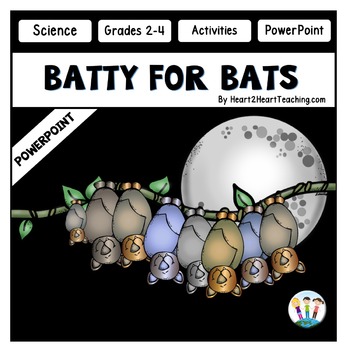
  • All About Those Batty Bats Powerpoint

    All About Those Batty Bats Powerpoint

    Bats are amazing little creatures that are very helpful to people! Bats are mammals just like us! But the one thing that makes bats special from all other mammals is that they can fly!

    This 26 slide Batty for Bats PowerPoint presentation has colorful graphics to help students visualize and connect with the content. It’s geared for 1st grade, 2nd grade, and 3rd-grade students.
    Students will learn all about these batty mammals with information about:
    ✔ A bat’s diet
    ✔ Body parts of a bat
    ✔ Echolocation ability of a bat
    ✔ Bat nesting habits and hibernation
    ✔ Ways bats help people
    ✔ Vocabulary slides
    ✔ 5 Question Quiz
    ✔ Answer Key
    ✔ For Elementary Grades – First grade, Second grade, Third grade
    ✔ Common Core Aligned

    ⭐ Be sure to check out the PREVIEW for more information.

    Your students will love this Batty for Bats slideshow Presentation!

    Want activities and printables to follow along with this presentation? Check out My Batty for Bats Activity Packs with many interactive activities for students including:
    ✔ 3 character bat stories
    ✔ 4 high-interest informational articles about bats
    ✔ An Uninvited Guest – a batty story featuring Xavier & Andrea
    ✔ Vocabulary Posters
    ✔ Vocabulary Flip Flaps
    ✔ Author’s Purpose
    ✔ Cause/Effect
    ✔ Batty for Bats Organizer
    ✔ A Mini Accordion Bat Book
    ✔ Compare/contrast bats and you
    ✔ Color the True Facts Bats
    ✔ Writing Prompts

    There are many ways to use the Batty for Bats Activity Pack in the classroom depending on your students and the time allotted for this unit.

    There are 4 main activities:
    Introduce the unit with the 3 fun and factual character bats: Buddy Boo, Berry Boo, and Bitty Boo. Have students write three facts they learned about their favorite bat on writing paper choices that match the bats. These look great as a display on a bulletin board.

    Next, read the “An Uninvited Guest” story and answer the questions to pique their interest and build background knowledge. These are perfect for guided reading groups with two sets of skill-based questions. This is also a great discussion starter for real-life situations involving bats.

    Introduce the 6 vocabulary words with the real-life photo posters included. You could post these posters around the classroom and have students travel around to match up and define the words in their flip flaps or use as a center activity. In addition, the vocabulary flip flaps are a great hands-on activity that works well in their interactive notebooks.

    Next, have students read the 4 informational articles and complete the Batty for Bats Organizer (2-sided). These are great for centers or group work.

    The final project is a Batty for Bats Accordion Book. There are three options to do this depending on age and time limits. They will color, cut, and build the book. Once completed it can be used as a stand-alone mini booklet or be glued inside their notebooks.

  • All About Those Amazing Ants Powerpoint

    All About Those Amazing Ants Powerpoint

    Ants: Learn all about ants with this beautiful and creative PowerPoint Presentation! Slides have kid-friendly information and colorful graphics to keep students actively engaged.

    Students will become experts on ants using this unit. It includes:
    ⭐ What ants eat? (Diet)
    ⭐ Body Parts of ants
    ⭐ Life Cycle of ants
    ⭐ Colony/Nest Building
    ⭐ Different Roles of ants
    ⭐ Teamwork
    ⭐ 5-Question Quiz to check for understanding
    ⭐ Answer Key
    ⭐ For Elementary Grades – 1st grade, 2nd grade, 3rd grade
    ⭐ Core Knowledge and Common Core Aligned

  • Life Cycle of an Ant Unit

    Life Cycle of an Ant Unit

    Your students will love learning all about ants with these creative and buggy activities!

    This Bundle includes:

    ✔ Reading passages

    ✔ Flip Booklet

    ✔ Vocabulary Posters

    ✔ 35-slide PowerPoint Presentation

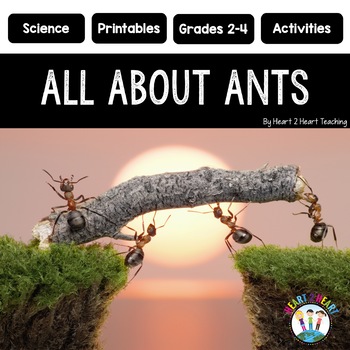
    Ants are the real superstars when it comes to working as a team! Their loyalty to their colony and never-ending teamwork gives them the power to move mountains! Learn all about ants with this nonfiction resource all about ants!

    Students will be become experts about ants using this unit. It includes:

    ⭐ What ants eat? (Diet)

    ⭐ Body Parts of ants

    ⭐ Life Cycle of ants

    ⭐ Colony/Nest Building

    ⭐ Different Roles of ants

    ⭐ Teamwork

    This ants activity pack (PDF) includes many interactive buggy activities and learning opportunities for students including:

    ✔ Informational articles all about ants

    ✔ Vocabulary Flip Flaps

    ✔ 5 page Flip-Up Ants Booklet

    ✔ Mystery Flaps Activity

    ✔ Draw it! Ants Activity

    ✔ Five Different Ant Species

    ✔ PLUS…This unit includes a special look at the Ant-Man Movie and his team, too!

    Be sure to check out the PREVIEWS for more information

    There are 3 main activities:

    Vocabulary:

    Introduce the unit by showing the trailer from the “Ant-Man” movie to build their interest. Then introduce the 7 vocabulary words with the real-life photo posters included. You could post these posters around the classroom and have students travel around to match up and define the words in their flip flaps or use them as a center activity. These posters are excellent for a bulletin board display too.

    Informational articles all about Ants:

    Next, have students read the informational articles and complete the various student activity pages. For centers, use one article at each center and have them complete the related activity page or one flip up booklet page. This way they can build their Ant flip up booklet page by page! You could have students work with a partner or in small groups or independently.

    Activities:

    Students can use the informational articles to complete the different activities included in this resource. There’s a “draw it” page just for fun! Plus various other pages for them to do in centers or for fast finishers! The flip up pages can be cut out, colored, and glued into their notebooks or as a lap book project or as a stand alone booklet stapled at the very top.

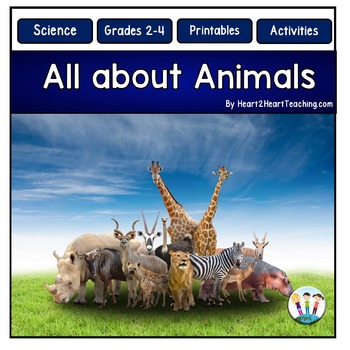
  • Let’s Learn About Animals with Carnivores, Herbivores, and Omnivores

    Let’s Learn About Animals with Carnivores, Herbivores, and Omnivores

    Students will love learning all about herbivores, carnivores, omnivores with this fun and engaging resource. This unit includes articles, trifold organizers, and activities to accompany the study of each type of animal.

    Case studies and a variety of activities are included for each:
    ⭐ Herbivores,
    ⭐ Carnivores
    ⭐ Omnivores

    Plus there are lots of kid-friendly and engaging activities:
    ✔ Tri-fold Organizers—perfect for INBs
    ✔ Comprehension Questions
    ✔ Five Facts Webs
    ✔ Pocket Animal Cut and Sort Activity
    ✔ Can you find? coloring activities
    ✔ Fact or Fiction Activities
    ✔ Vocabulary Posters
    ✔ Vocabulary Flip Flaps

    There are 3 Main Activities:

    Vocabulary:
    Introduce the vocabulary words with the real-life photo posters. You could post these posters around the classroom and have the students travel around to write the definitions under the flip flaps in their notebooks. These look fantastic on a bulletin board too!

    Reading – Set up Learning Stations:
    Set up a learning station or science center for each type of animal. For each station print and copy the following:
    ✔ Reading Passages
    ✔ Tri-fold Organizers (copy back to back)
    ✔ Five Facts Webs
    ✔ Identify & Sort Photo Activities
    ✔ Fact or Fiction Coloring Activities

    Have students read the passages, answer the questions, and complete the tri-fold organizers for each one.

    Student Activities:
    There are lots of activities included for partner work, fast-finishers, whole group discussion, homework, or for reviewing at the end of the unit.
    ✔ Pocket Animal Sort Activity
    ✔ Can you find coloring activity

    Be sure to check out the PREVIEW for more information

  • Animal Habitats Powerpoint

    Animal Habitats Powerpoint

    Learning about animal habitats is so much fun! Your students will love learning all about these 10 unique habitats with this colorful and informative 77-slideshow presentation. There are several slides about each habitat. There is also a 10 question quiz with an answer key to check for understanding and several vocabulary slides to reinforce important terms.

    The habitats included:

    ⭐ Oceans

    ⭐ Grasslands

    ⭐ Savannas

    ⭐ Wetlands

    ⭐ Deserts

    ⭐ Woodlands

    ⭐ Polar Regions

    ⭐ Mountain Regions

    ⭐ Tundra

    ⭐ Tropical Rainforests

  • Animal Habitats with Savanna, Grassland, Woodlands, Dessert, Tundra, Rainforests, Tundra

    Animal Habitats with Savanna, Grassland, Woodlands, Dessert, Tundra, Rainforests, Tundra

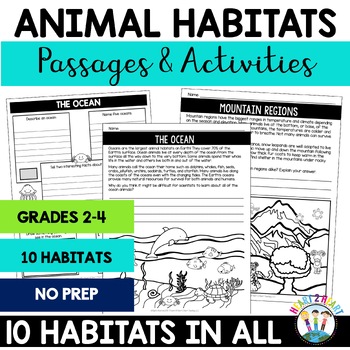
    Animal Habitats Unit: Ocean, Savannah, Grasslands Woodlands Desert, Rainforest & more! This BEST SELLING unit includes reading passages and worksheets for 10 different habitats with fun & easy activities to reinforce learning. This NO-PREP pack will be a huge TIMESAVER! Have students read the passages and answer the comprehension questions about each habitat. Each passage has a habitat scene for students to color and connects to the information.

    The habitats included in this packet are:

    • Oceans
    • Grasslands
    • Savannas
    • Wetlands
    • Deserts
    • Woodlands
    • Polar Regions: The Antarctic and The Arctic
    • Mountain Regions
    • Tundra
    • Rainforest Gallery Walk Activity: This unit also includes a unique activity where students work in pairs to design a mystery habitat poster to display. Then, they do a fun gallery walk around the classroom looking at each poster to try and figure out which habitat it represents.
  • Animal Adaptions Unit with Giraffes, Camels, Dolphins, Gorillas & Jane Goodall

    Animal Adaptions Unit with Giraffes, Camels, Dolphins, Gorillas & Jane Goodall

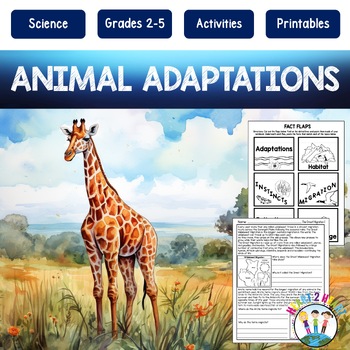
    Learning about Animal Adaptations & Animal Habitats has never been so much fun! In this pack, you’ll find 15 passages, comprehension and connection activities, vocabulary posters, case studies on giraffes, camels, and dolphins, writing activities, and so much more! You will love this kid-friendly, interactive unit packed full of student-centered activities!

    Animal Adaptations is a nonfiction resource pack specifically geared for Grades 3-5. This printable activity pack focuses on Animal Adaptations through the use of high-interest informational articles in kid-friendly language.

    The main skills and concepts of this unit focus on:
    ⭐ Animal Adaptations
    ⭐ Physical Adaptations
    ⭐ Behavioral Adaptations
    ⭐ Hibernation
    ⭐ Migration
    ⭐ Camouflage
    ⭐ Instincts
    ⭐ Learned Behaviors
    ⭐ Endangered and Extinction
    ⭐ With Case Studies on Camels, Giraffes, and Dolphins

    There are two character studies where students will meet and learn about two influential animal researchers and zoologists!
    ⭐ Meet Jane Goodall
    ⭐ Meet Dian Fossey
    ⭐ Make a character mini-booklet (2)

    This complete unit comes with many engaging student activities including:
    ✔ Graphic Organizers for each animal
    ✔ Constructive Response Questions
    ✔ Who Migrates the Farthest? Chart-Building
    ✔ Instincts vs. Learned Behavior Activity
    ✔ Concept and Vocabulary Flap books for students to use in their science interactive notebooks or binders.
    ✔ Compare and Contrast
    ✔ Animals that Hibernate Activity
    ✔ Hibernate or Migrate Station
    ✔ A Day in Your Life Writing Activity
    ✔ What I Want to Learn: Focus on Learned Behaviors
    ✔ End of Unit Project: My New Animal!
    ✔ Unit Reflection
    ✔ For Elementary Grades – Third grade, Fourth grade, Fifth grade
    ✔ Common Core Aligned

    Be sure to check out the PREVIEW for more information

    Using my Five Step Method below makes learning about animal adaptations meaningful and fun for students.

    Part 1: Hook’em with “Fast Facts True or False” Anticipatory Guide. Students predict at the beginning of the unit the answers to guided questions and then check-n-correct their answers after learning the information and end of the unit.

    Part 2: Read-n-Visualize with high-interest informational articles all about animal adaptations with real-life photographs written in kid-friendly language. These black and white masters of the articles are perfect to use as unit mini-lessons, study guides, or even as notes for their binders or interactive notebooks.

    Part 3: Focus on Skills: to reinforce and enhance student learning with a variety of skill-based activities such as:
    Fact vs. Opinion
    True/False
    Making Connections
    Predicting
    Visualizing
    Compare/Contrast
    Vocabulary
    CRQ’s
    Using evidence & supporting details
    Create a Chart based on information

    Part 4: Realistic Posters with real-life photographs to use on the document camera or ideal for bulletin boards to introduce this topic. Afterward, you can either laminate these for another year or bind them together as a book for your classroom library.

    Part 5: Show What You Know! Student questions, writing prompts, activities, projects, and reflection to evaluate learning. Reflections are perfect for student portfolios and Parent Teacher Conferences.