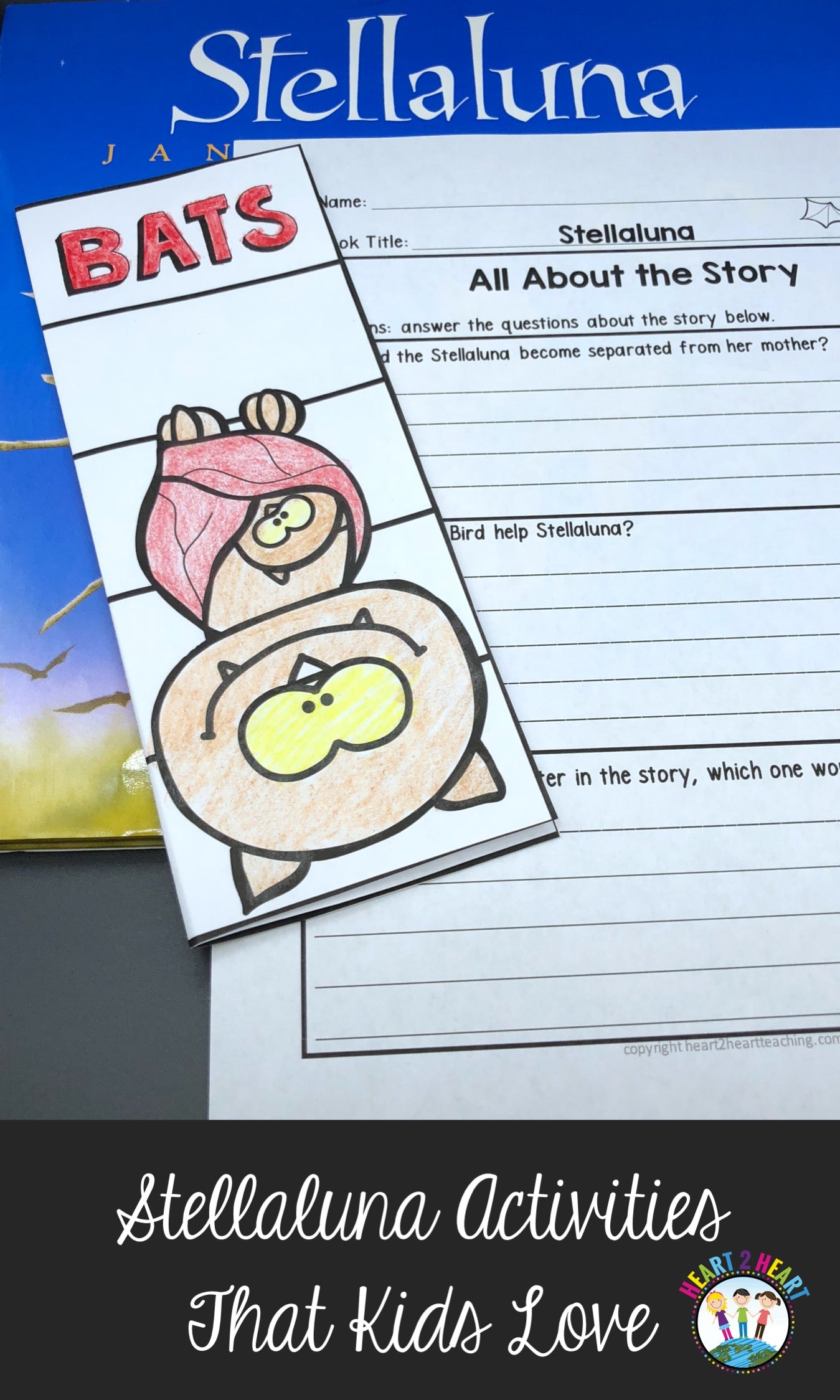
Stellalunaby Janell Cannon is an endearing story about a bat pup. While out searching for food, Stellaluna, and her mother are attacked by a vicious owl. Stellaluna is separated from Mother Bat and adopted by a family of birds. In the nest, she learns all about birds as she puts aside her bat habits to fit in with her new family. After Stellaluna is reunited with her bat family, she learns that even though bats and birds are different, they are also very much alike.
Is your class reading about a famous fruit bat named Stellaluna? Stellaluna is one of my favorite books to read to the class in October. For that week during centers, we do several literacy and batty activities that are related to the book.
Activities That Focus on Literacy Skills
What skills are you working on in class or during guided reading groups? Character Traits, Setting, Plot, or Author’s Purpose? This unit has many of them. Pursue through the unit and pick out the skills that you want to focus on and print those pages. Then prepare each activity or center as described below. Many of these activities work well for reading groups and centers activities after reading the book.
This fun Stellalunaunit has several activities that focus on literacy skills such as:
Personification
Plot
The Problem, Solution, and Theme
Action Verbs
Another Word for “said”
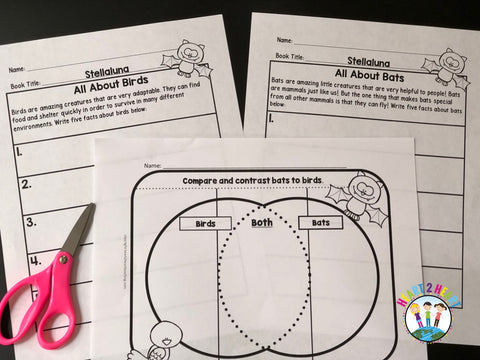
All About Bats
All About Birds
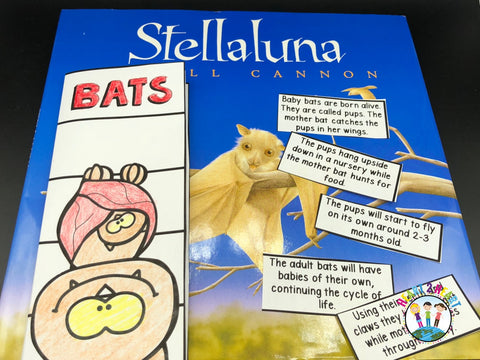
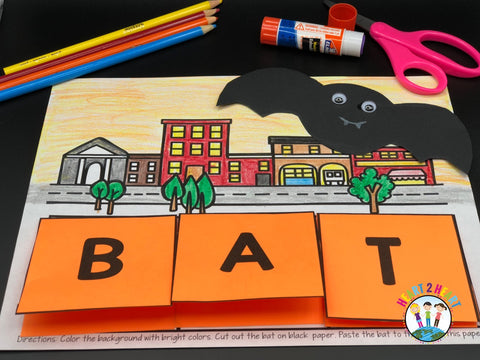
Bats Mini-booklet
Spotlight on Vocabulary
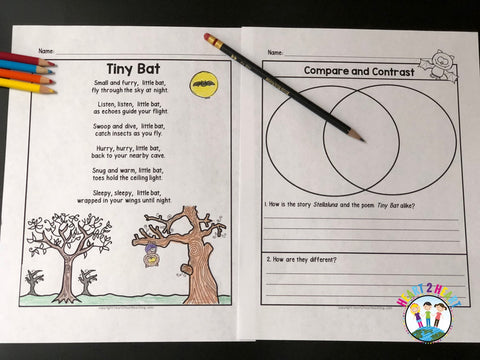
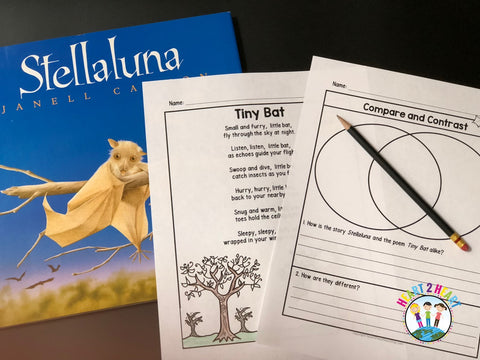
A Tiny Bat Poem: to compare and contrast the story to the poem
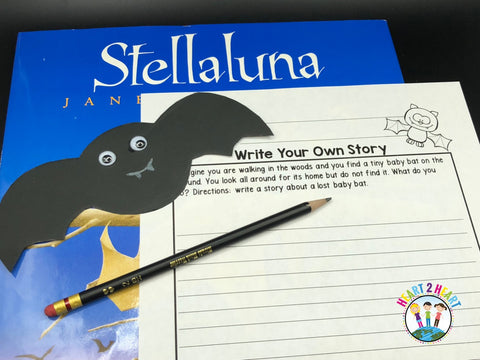
Write your own Personal Narrative Story
Writing Rubric
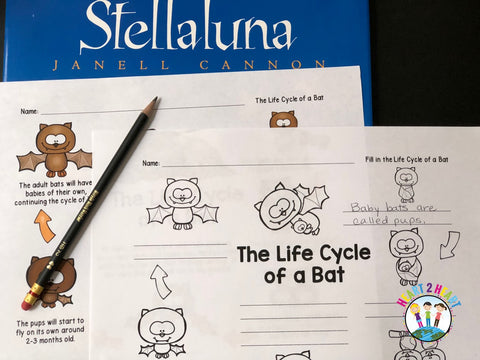
Life Cycle of a Bat
Quiz and Answer Key
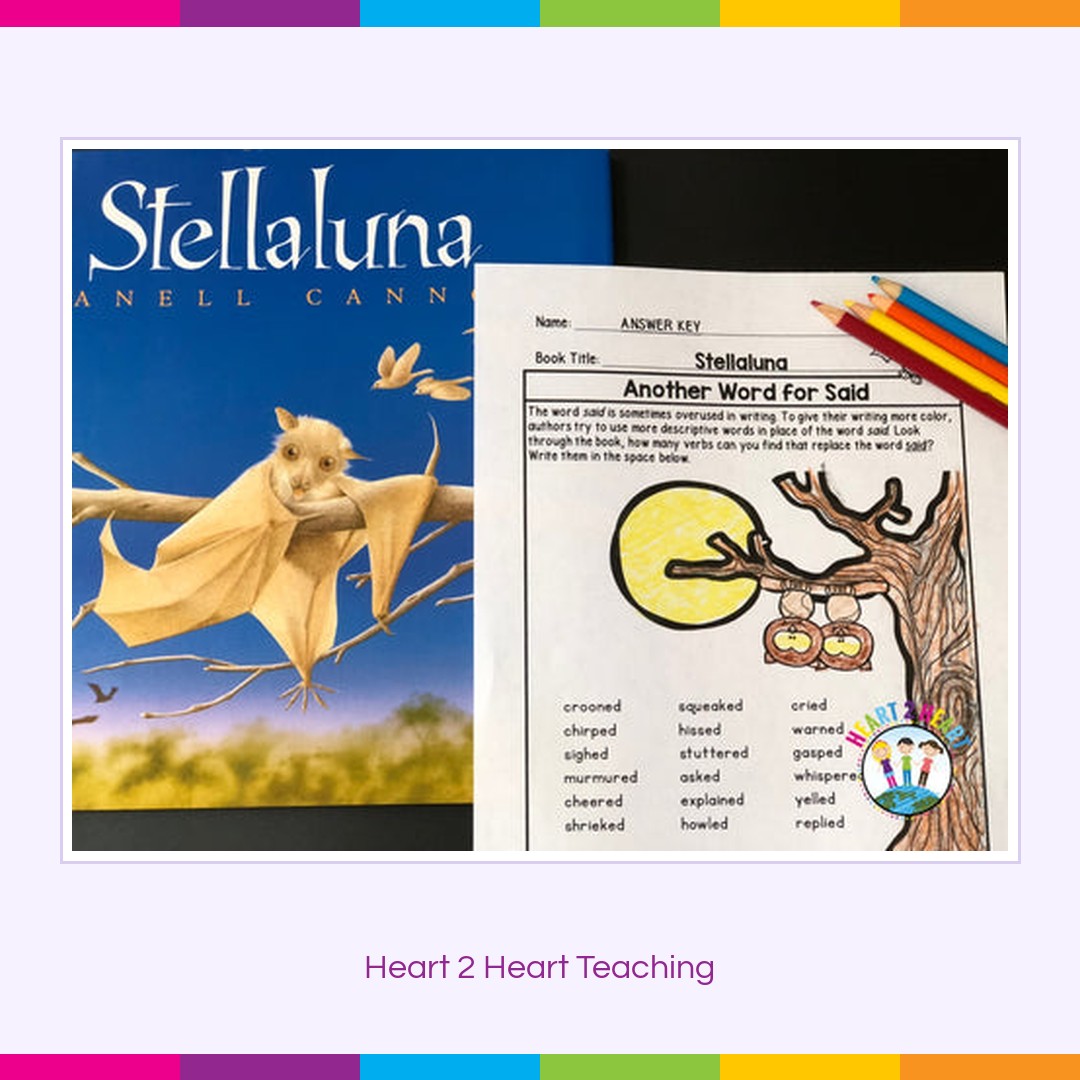
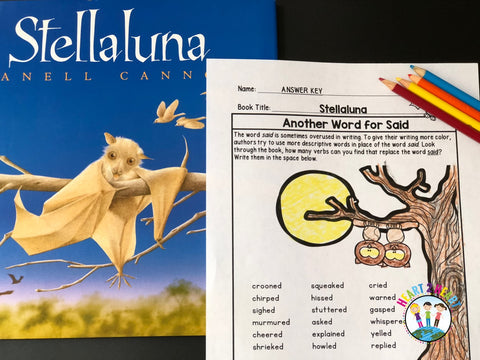
Another Word for “Said”
For this activity, you will need several copies of the Stellaluna book. You could go to the local library or ask other teachers in your building to borrow their copy. Divide the class into groups of 2 to 3 students. Give each student a copy of the book and the “Another Word for Said” activity page. Instruct students to read through the book and hunt for words that could be used instead of the word “said.” You might want to give students a dictionary to look up any words that they are not familiar with. Students will need around 15-20 minutes to complete this activity. Fast finishers can color the bat scene on the page. Bring the class back together to share their findings. In total, there are 18 words in the story that could replace the word, “said.” As you read through the words that the students found, ask each them the following questions:
Describe for the class what that word (squeaked, murmured, whispered, chirped) might sound like?
Why is this word a better choice than using “said”?
Why would the author use that word?
How can this help you in your writing?
What have you learned from this activity?
The Setting of Stellaluna
The setting is the time and place (where and when) a story takes place. It’s important for students to understand the difference between time and place in a story. Thinking critically about a story requires students to explain how they know where and when a story takes place. In the case of Stellaluna, the pictures give students clues to answer these questions. At a center, put the book and the setting questions. Have students read through the book and look at the pictures on each page in order to answer the questions about the setting of the story.
The Plot Thickens…
The plot is what happens in a story. Because it’s so vague, it can be a difficult concept for students to grasp. I use this activity in two ways. First, I have students read through the story events and put them in order by writing the number on the outside of the box. This is their “best guestimates” or predictions based on what they remember from the first read. Read the story aloud again (or silently to themselves) and check their answers. Come back to their best guestimates to reflect on their work.
Personification Activity
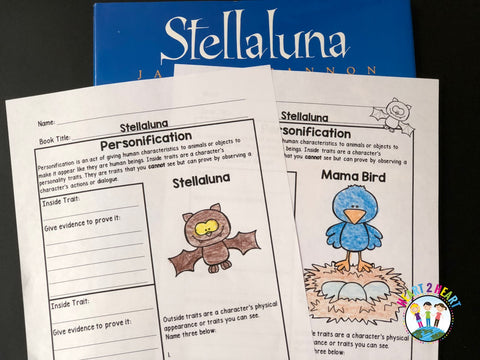
Personification is the act of giving human characteristics to animals or object to make it appear like they are human beings. Many stories for young children use personification. Ask students how many books can they name that use animals as characters in the story. I always like to take a piece of chalk or a dry erase marker to write a line down the front board. As I do this, I make a crying noise to demonstrate personification. I tell the class that the marker is crying out because it hurts when I write with it. The students usually laugh when I do this, but it helps them remember this term. Next, ask for other examples of personification that they would like to share with the class.
Two Types of Character Traits
There are two types of Character Traits: Inside and Outside. Outside traits are ones you can see. Inside traits are part of a person’s or character’s personality. On the front board, draw a picture of a bat. Underneath the bat, draw a T-Chart labeled Character Traits: Inside and Outside. On a piece of paper, have students create their own T-Chart. Ask students to describe Stellaluna. Add the traits the correct category and have the students do the same on their page. For additional or independent practice, have students do the same thing for Mama Bird.
Create a Bat Mini-Booklet
After learning about bats, students can complete this batty booklet by following the steps below:
Copy pages back to back so that bat is on the front cover of the booklet.
Have students write three facts about bats on the inside of the booklet.
Cut out the booklet and the 5 life cycle stages.
Paste the 5 life cycle stages in the correct order on the inside of the booklet.
Fold booklet in half.
Color the front cover.
Mini-booklets can be glued inside their interactive notebooks.
Compare Two Types of Literature
Students will enjoy reading this rhyming poem about a Tiny Bat. This leads to comparing a poem to a fictional story about the same topic.
Birds and Bats: The Same or Different?
Birds and bats have a lot in common. After reading the story, is a great time to compare and contrast the difference between bats and birds. They might have more in common than students think!
Shine a Spotlight on Vocabulary
Every story has some terms that are meant to expand a reader’s vocabulary. In the story of Stellaluna, some of them are bat-related and others are words to describe emotions such as anxious and embarrassing. In other words, they are relatable to everyone. Use this opportunity to really talk with your students about feeling anxious and being embarassed.
Here are some questions to start the discussion:
Why did Stellaluna feel that way?
What did she do to feel better?
Do you think everyone has times when they might feel this way?
Have you ever felt that way?
What did you do or could you do to feel better?
Deep Dive to Learn More About Bats
There are several extension activities so that you can continue the fun unit for an entire week. Learn more about bats. Bats are amazing little creatures that are helpful to people. Learning about them is a great way to relieve some of the children’s fears about them.
Students will love learning all about bats with our batty resource! They will meet three fun and factual character bats: Buddy Boo, Berry Boo, and Bitty Boo.
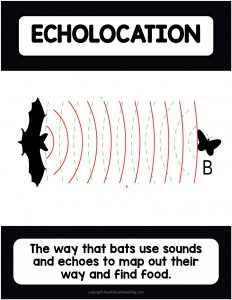
Students will learn all about bats with informational articles on: ✔Diet ✔Body parts ✔Echolocation ✔Hibernation ✔Ways bats help people
Our Going Batty Bundle includes: ⭐48-page Activity Pack with articles, activities, vocabulary posters, and flip book ⭐26 slide PowerPoint Presentation ⭐28 Task Cards {Editable}
Write A Personal Narrative
Learning writing is one of the most important skills for kids to learn. Writing personal narratives are a perfect way to encourage your students to write. “Personal” refers to a story from one’s life or experiences. Creative writing allows kids to express their feelings and beliefs about a given topic. Giving students writing prompts can make the writing process a little bit easier for them.
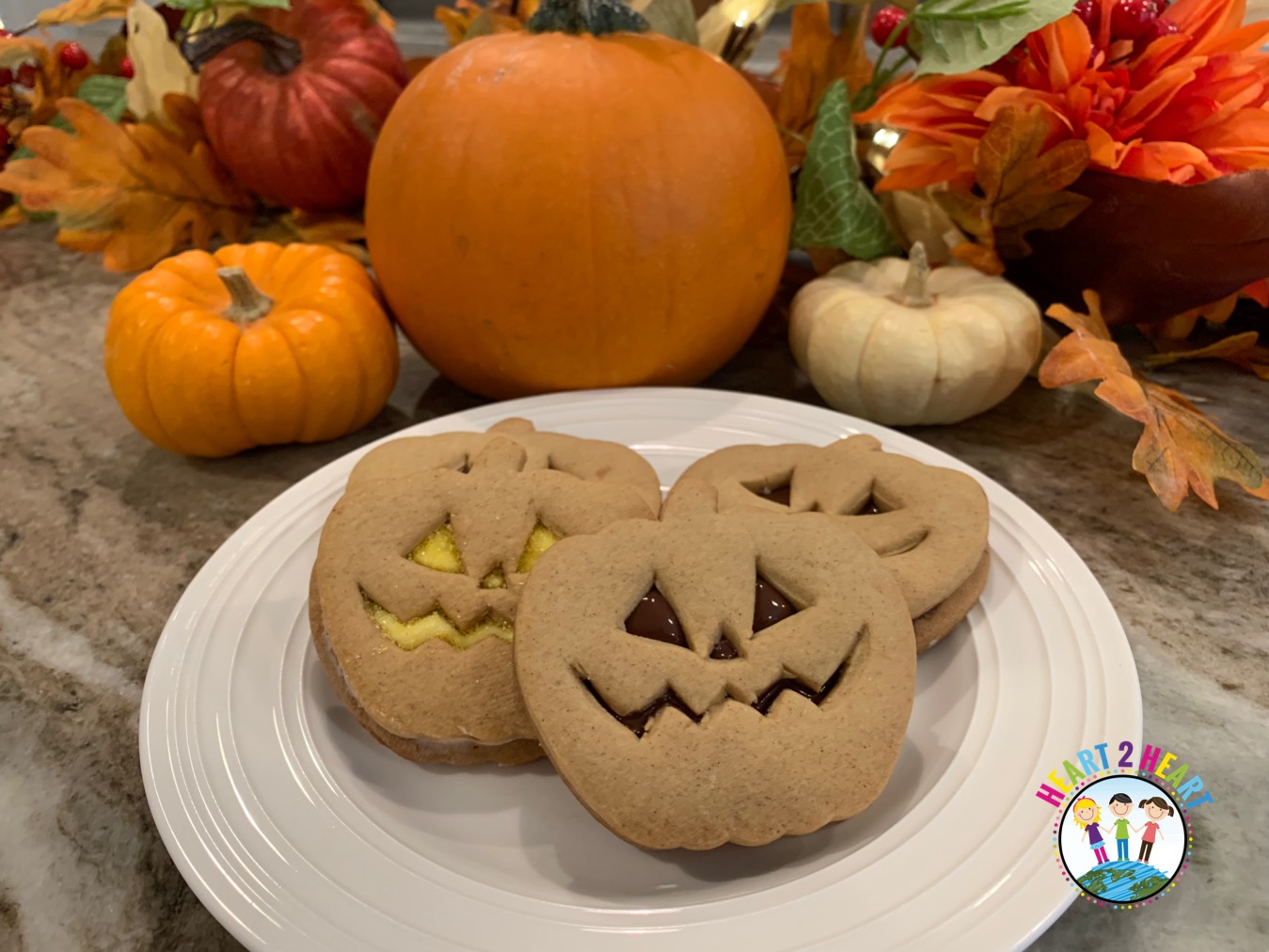
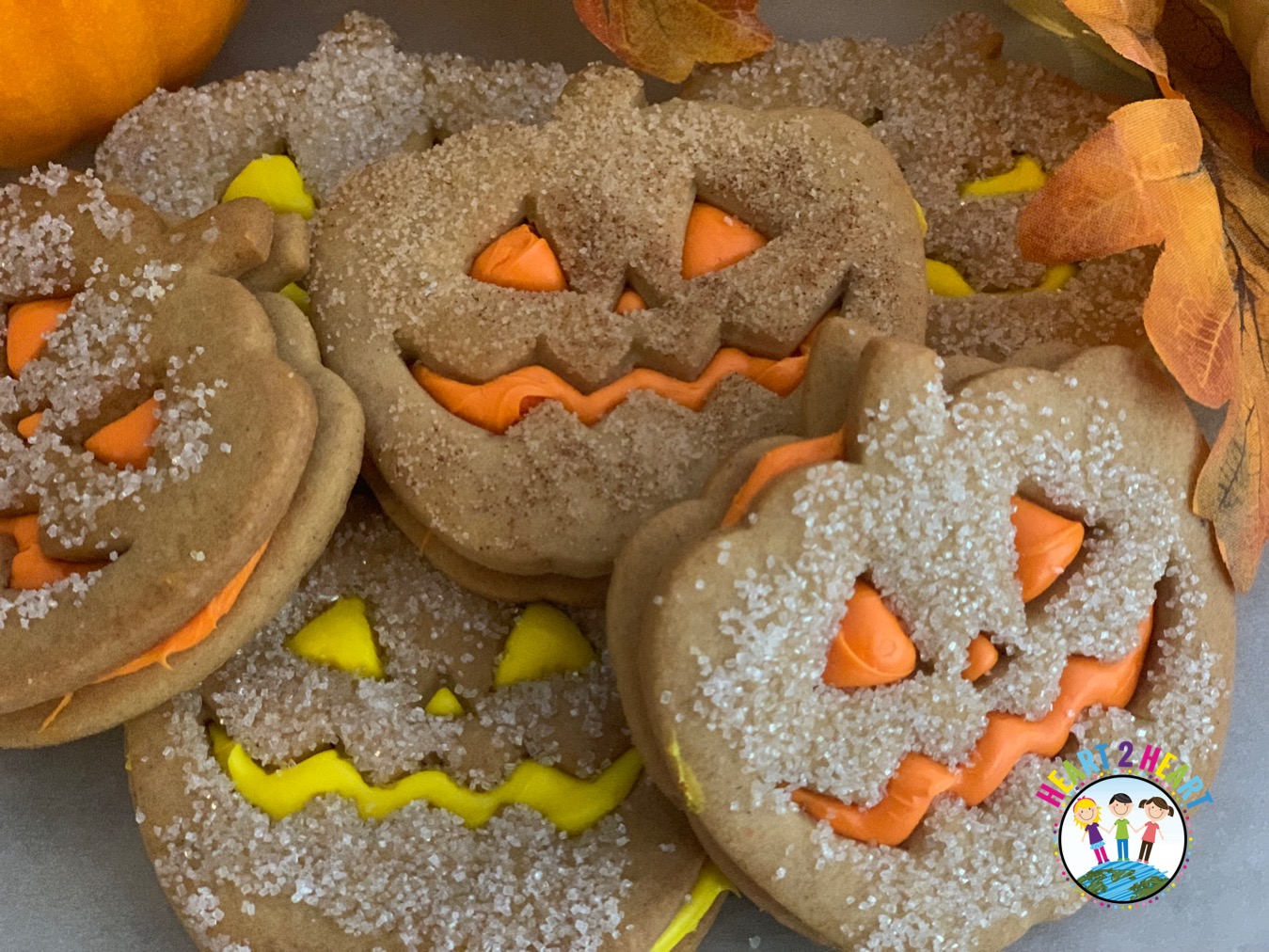
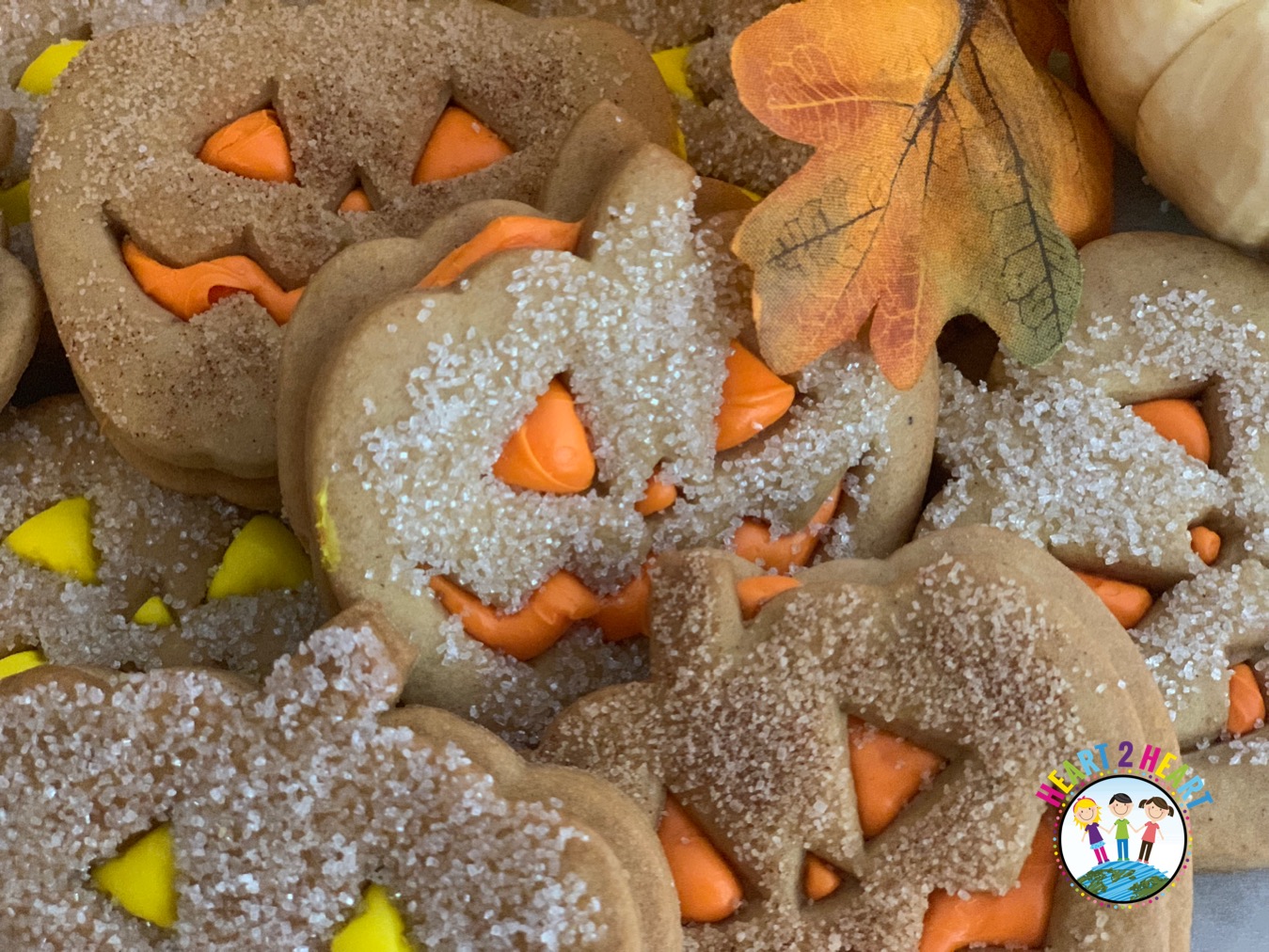
Every year, our neighborhood hosts on a Halloween gathering for the families that live in our community. This year I wanted to make something spooktacular. When I saw these delightful cookies on instagram, I just knew I had to make them! These brown sugar spiced cookies are stuffed with cream cheese frosting and topped with a light dusting of cinnamon or crystal sprinkles. What’s not to love? These Jack-o-Lantern Cookies are a perfect treat for a Halloween school party, for trick-or-treaters, or for a festive fall desert.
I know the kiddos in our neighborhood are going to love these cookies! They are brown sugar and spiced with everything nice! With cinnamon, nutmeg, and ginger, they make the perfect fall cookie. Even without the frosting they are delicious!
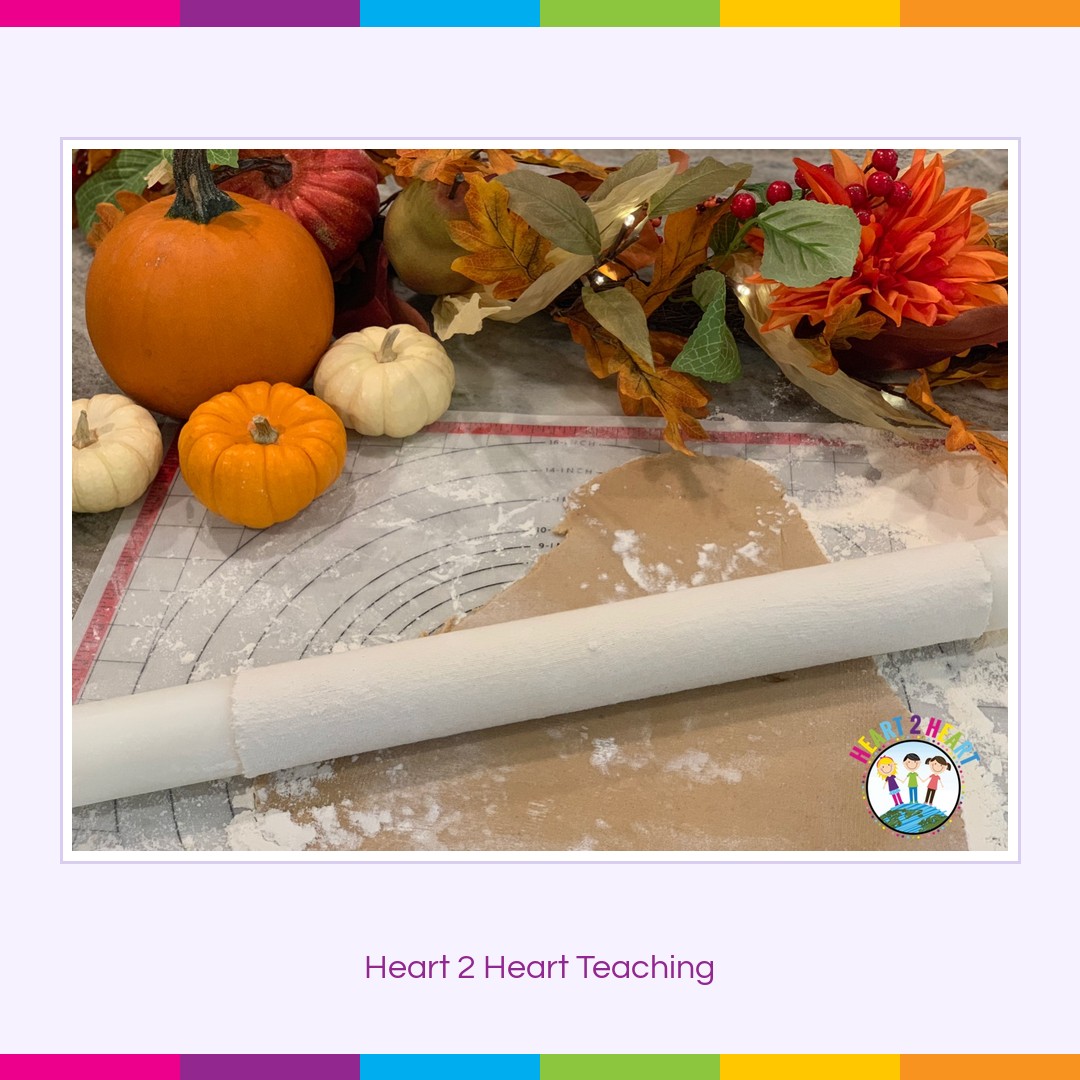
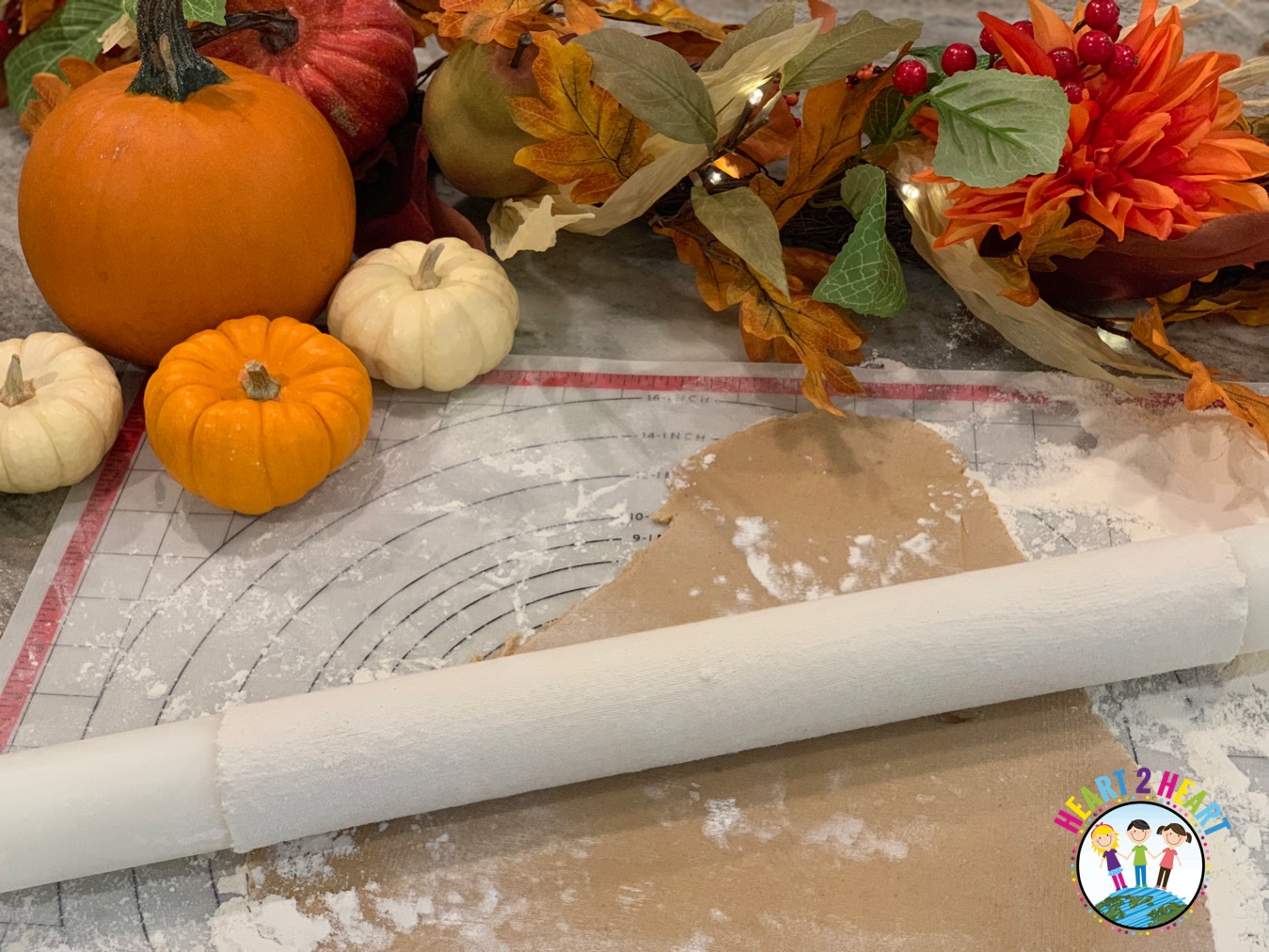
Start out by mixing and then rolling out the cookie dough to 1/4 inch thick. You can make this step quicker by using rolls of the ready-made sugar cookie dough from the refrigerated section of the your grocery store.
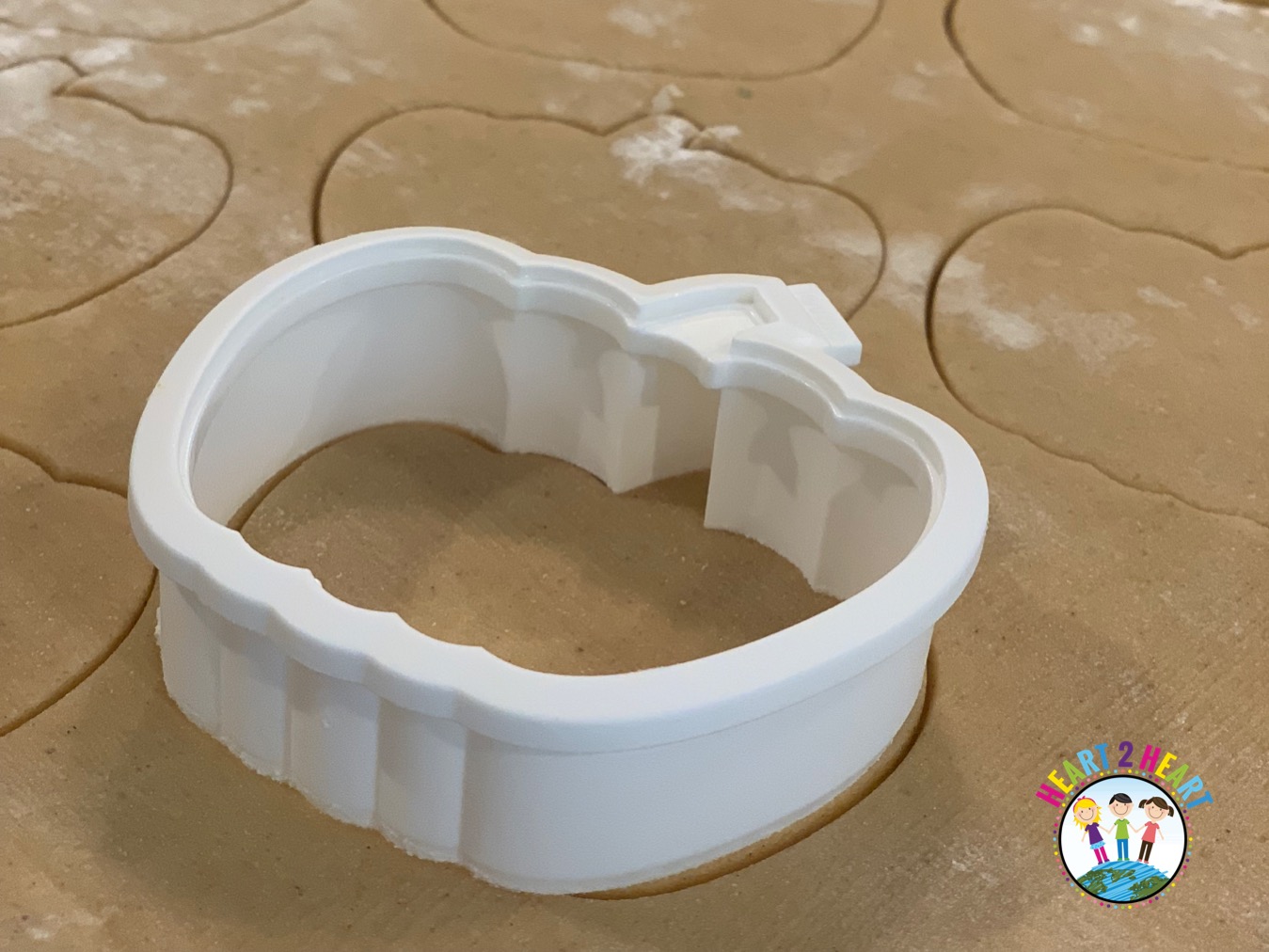
Use a pumpkin-shaped cookie cutter to make the bottom layer of the cookie. I highly recommend these Tovolo Jack-o-Lantern Cookie Cutters! In the final step, we will add a layer of frosting to make a cookie sandwich.
Before baking, be sure to place the jack-o-lantern cookie dough faces in the freezer for 10-15 minutes to prepare them for cutting. Using a craft knife, carefully cut out the eyes, nose, and mouth on each cookie. That’s where the Jack-o-Lantern Cookie Cutters come in handy because they provide you with a design template to use as a guide. I’m sure many of you are artistic and can freehand cut out the eyes, nose, and mouth. But I am not artistic. Even my stick figures don’t look like stick figures! Seriously! So I prefer to use a template.
Bake the cookies at 350 degrees for 8-10 minutes. I always, always, always use a Silpat Not-Stick Silicon Mat for the perfect cookie every time. It guarantees even baking and prevents burning.
After the cookies have cooled, it’s time for the fun part…assembling them. First, melt some butter on the stove and use a pastry brush to lightly coat the jack-o-lantern faces with the melted butter. Next, put the jack-o-lantern faces, face down (pun intended) into a mixture of cinnamon and sugar or in bowl with crystal sprinkles. Place all the jack-o-lantern faces aside to set.
Decide on your filling for the cookie sandwiches. I used a ready-made cream cheese frosting from the grocery store and added some food color. Red and yellow = orange. You could also melt chocolate chips to add a yummy layer of chocolate to the insides of the cookie sandwiches. Carefully, push the two cookies together. This would be a spooky fun activity for kids to help with.
P.S. I hope these cookies delight your trick-or-treaters or dinner guests. Have fun tonight!
My first love is teaching and my second love is writing. So blogging about teaching and teaching about blogging makes perfect sense to me. Maybe you are like me and want to share your love for teaching with the world? Maybe you want to showcase products you create or write tips for other teachers? Or maybe you have another passion such as cooking, dieting, or gardening that you want to write about. Whatever your goals might be, sharing your experiences and knowledge on your very own blog is the way to go. Follow the five easy steps below to start a WordPress blog today.
As a teacher, I always had a blog to share what we were working in the classroom. When I taught sixth grade, the students wrote many of the posts for our class blog as part of our writing curriculum. It was a great way to encourage students to write for the real world. Students loved seeing their words and images in print. It also served as an effective communication tool since parents loved seeing what we were doing in the classroom. It was a win-win-win for everyone!
The Benefits of Blogging
Nowadays, I am blogging for a different purpose and audience…to help teachers. I am a teacher-author. I write curriculum, create resources, and write articles for elementary teachers. Becoming a teacher-author and blogger has changed my life in so many ways. It has allowed me to share my passion for teaching and show the educational resources that I create and sell in my Teachers Pay Teachers store in detail. It has also allowed me to share my journey with the world.
A few years ago, I left the classroom and started writing from home fulltime. Today, I have a flexible schedule that is completely different from my past career as a teacher where every minute of the day was planned. I am loving life! I feel incredibly fortunate and grateful for this amazing opportunity that I never thought was possible.
If you want to give blogging a try, then using Bluehost may be a great option for you. Bluehost is one of the best hosting companies around and you start your own blog for as little as $3.95 per month. Bluehost has excellent 24/7 customer service too. Follow the five simple steps below to get started.
Follow these 5 Easy Steps to Set Up Your WordPress Blog:
Some of the links below are affiliate links, which means that if you choose to make a purchase, I will earn a small commission. This commission comes at no additional cost to you. Please understand that I have experience with all of these companies, and I only recommend them because they are helpful and useful, and not because of the small commissions I make if you decide to buy something. Please do not spend any money on these products unless you feel you need them or that they will help you achieve your goals.
Step 1: Pick a Domain Name
What should you name your new blog? Your domain name is how visitors find you online. It is the first step in getting your website started. Short and catchy names that are easy to remember usually perform the best. It’s also best practice to choose a domain name that is closely related to your business or topic. Sometimes this can be difficult because many of the popular names have already been taken. If you need help picking a name, there are tools called domain name generators that can help.
After you have carefully picked your domain name and have searched to make sure it’s available, then it’s time to purchase your new little corner of the internet. I recommend buying your domain name directly from Bluehost because it will make the whole process so simple. Plus you’ll also get your domain name registered for free for a year by signing up with one of their plans.
If you already own a domain name or buy a domain name from another site such as GoDaddy, you will need to switch over the DNS nameservers to point to Bluehost when it’s time to link it all together.
Go to Bluehost and click the get started now button.
Select the package you are interested in.
(You can save money by purchasing a whole year or more of service instead of paying month by month.)
Sign up for a new domain name or enter the domain name you registered previously.
Enter your name, address, and payment information.
Select a password. Be sure to make note of it for future reference.
Step 3: Pick a WordPress Theme
If you’ve chosen Bluehost for hosting, WordPress will be automatically installed for you. All you have to do is click, ‘Login’ and choose a theme. Not sure which theme you want, that’s okay. You can always go back and change it later.
Another option is to have someone design your blog or website for you. If you choose to go this way, then I highly recommend Jumping Jax Designs. Becca is awesome. I have worked with her on three different websites and she has always done an amazing job. She will work with you to get it just how you want it. She also offers logo design and branding if you are looking for a complete all in one package.
Step 4: Customize Your Blog
Let the fun begin! You are ready to start designing your site with your color choices, font styles, and other elements that will help to express your style and personality. You can do this from the WordPress Dashboard. The Dashboard is the area that allows you to control what people see when they come to your site.
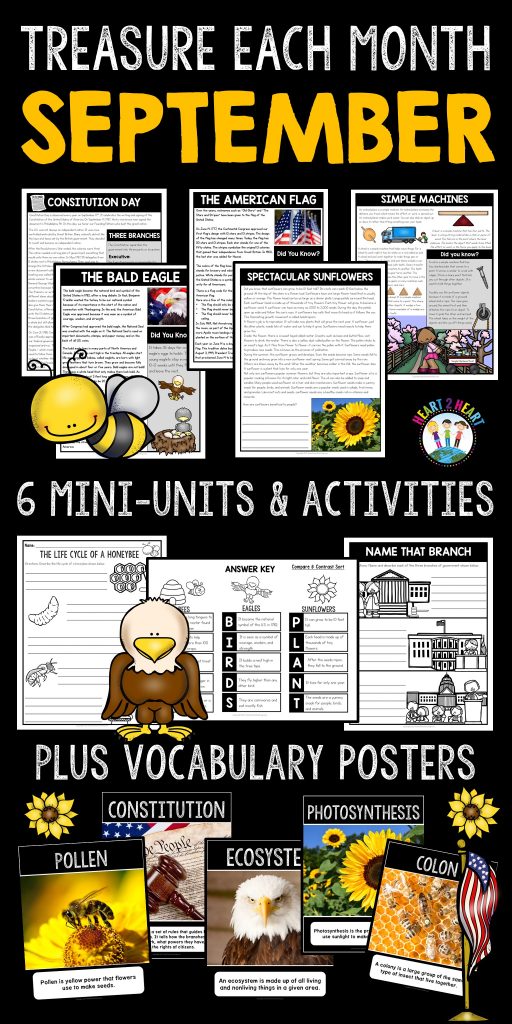
In many parts of the world, September is the first month of autumn. There are many fun holidays such as Labor Day, Patriot Day, and Constitution Day to look forward to in September. Our Treasure Each Month Bundle: Activities to Celebrate September has many hands-on activities to learn about six autumn-themed topics that students will love!
Celebrate September with this awesome bundle with passages, activities, and vocabulary for the month. Students will love these fun activities and you will love the easy no-prep planning! Just print-n-teach! These six fall-themed units were designed to complement your September curriculum in social studies and science.
This bundle is made up of 6 mini-units to give you a variety of activities for the month of September. It includes:
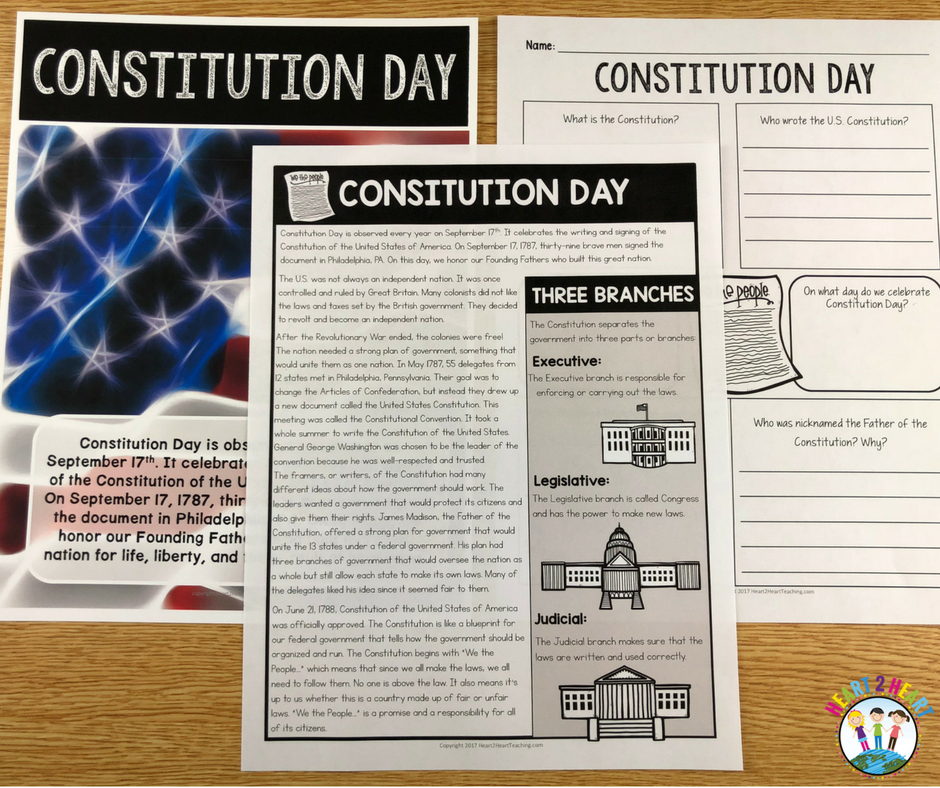
Constitution Day
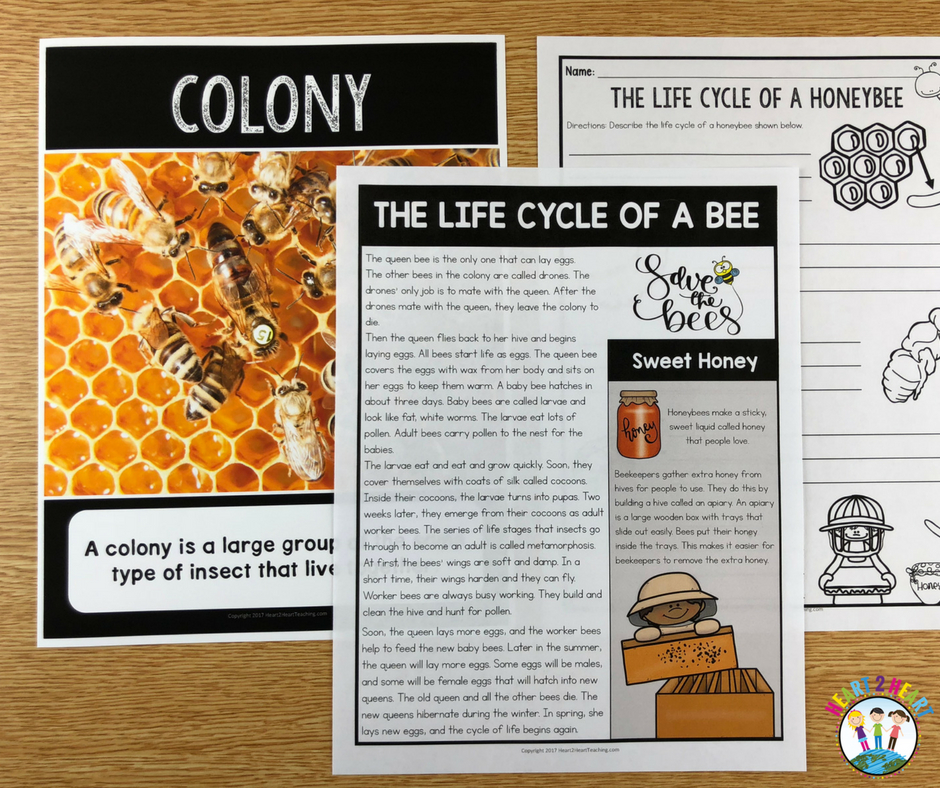
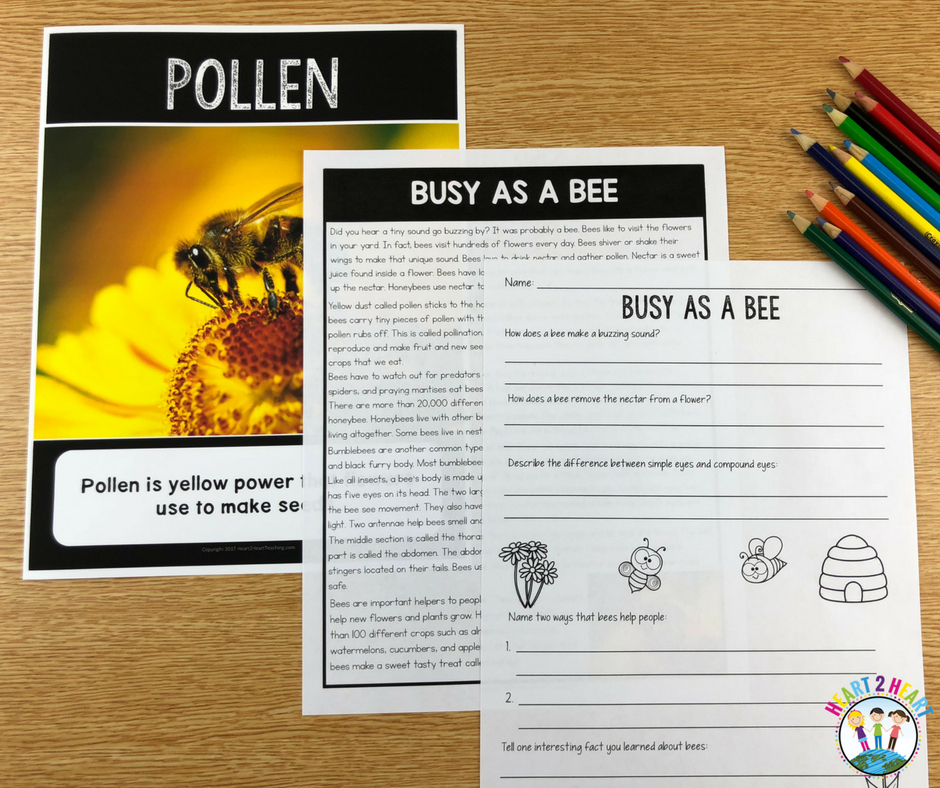
Busy as a Honeybee
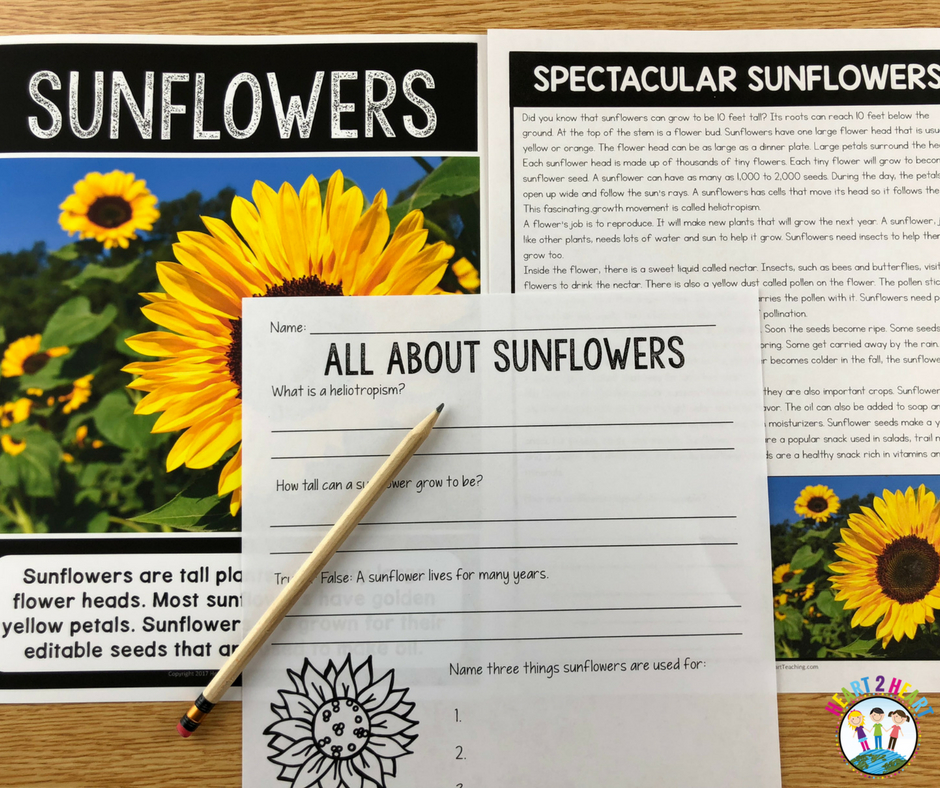
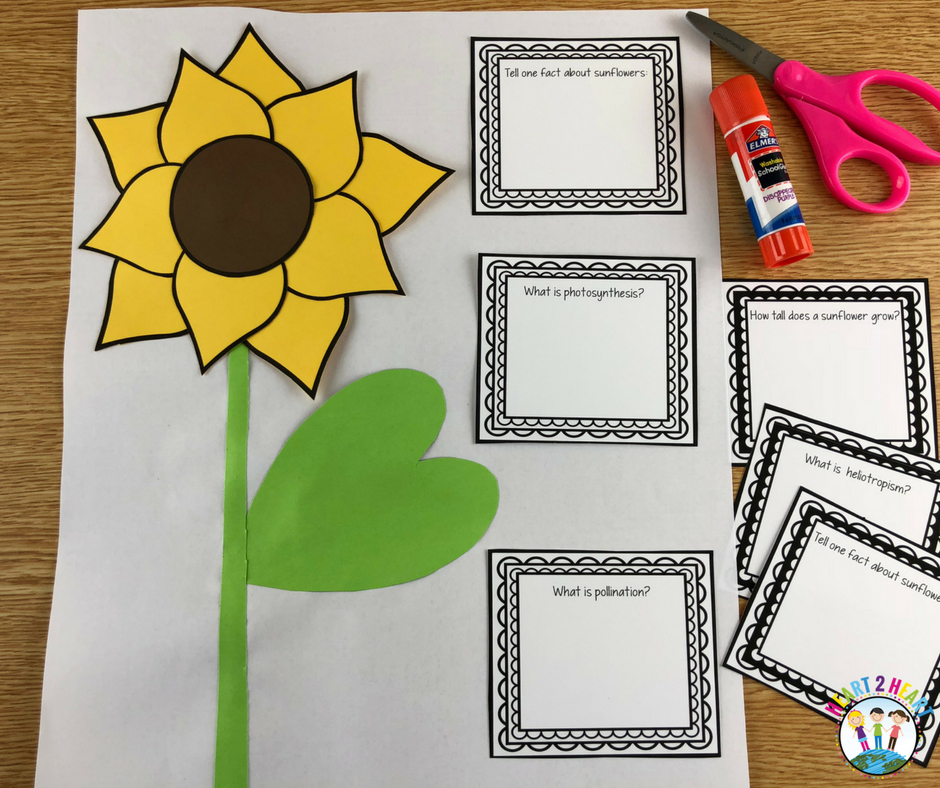
All About Sunflowers
Bald Eagles
The American Flag
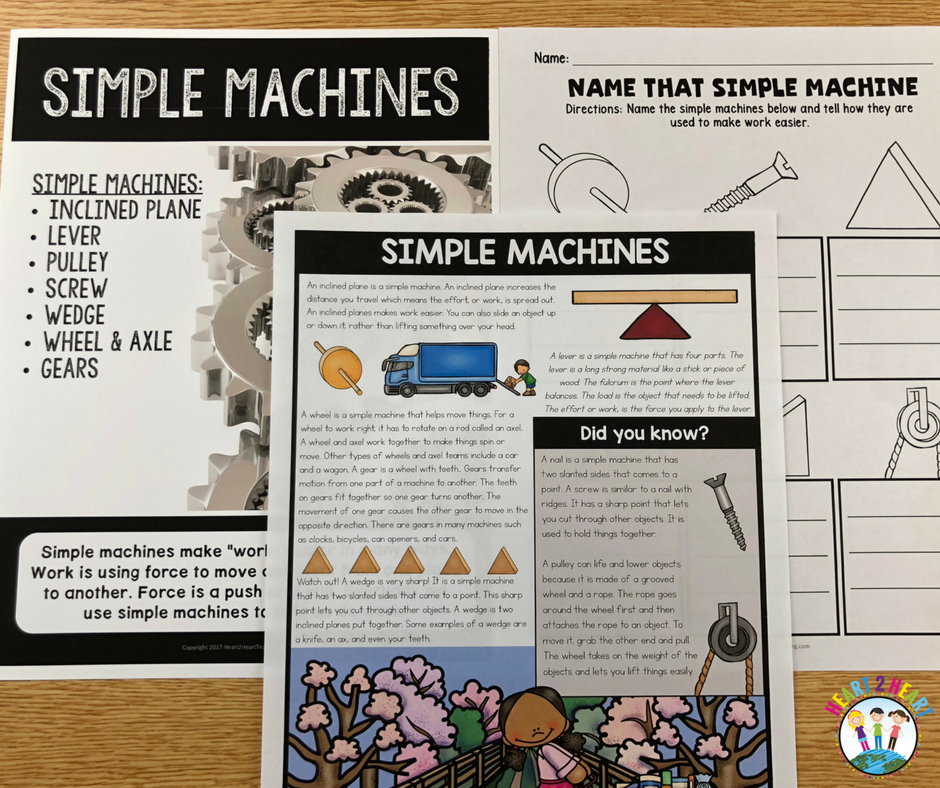
Simple Machines
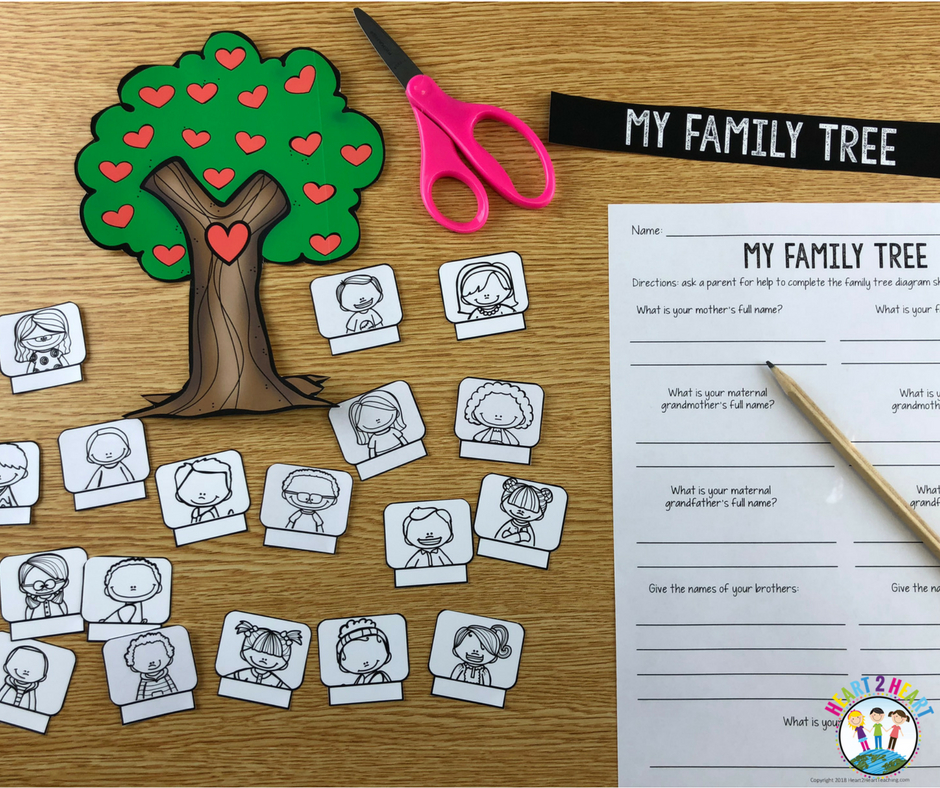
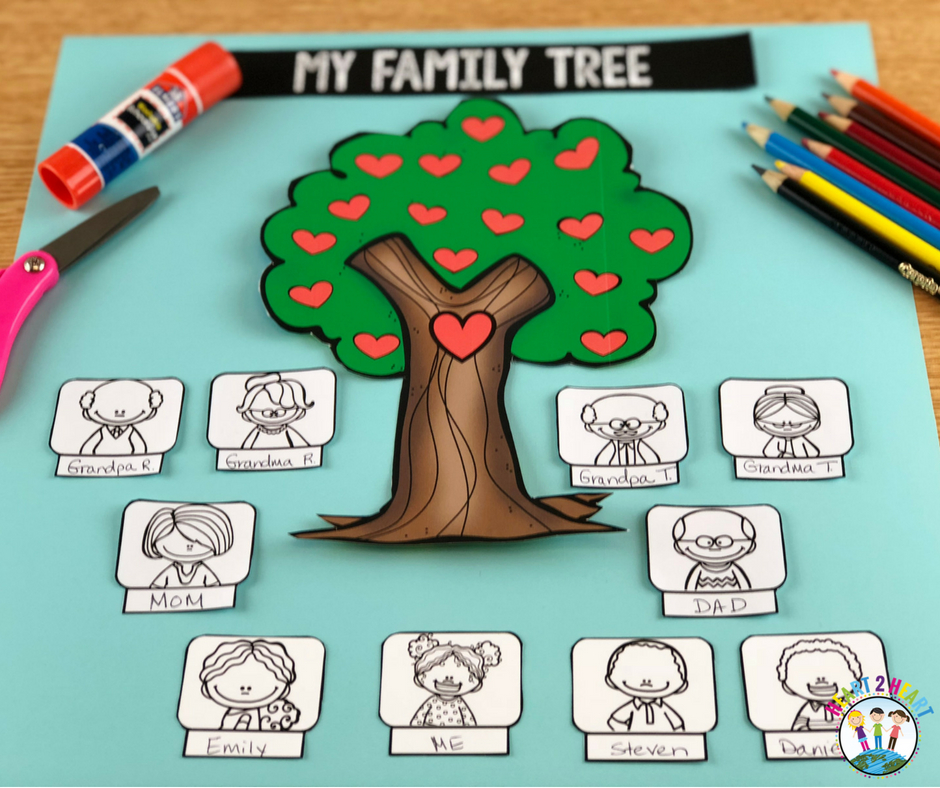
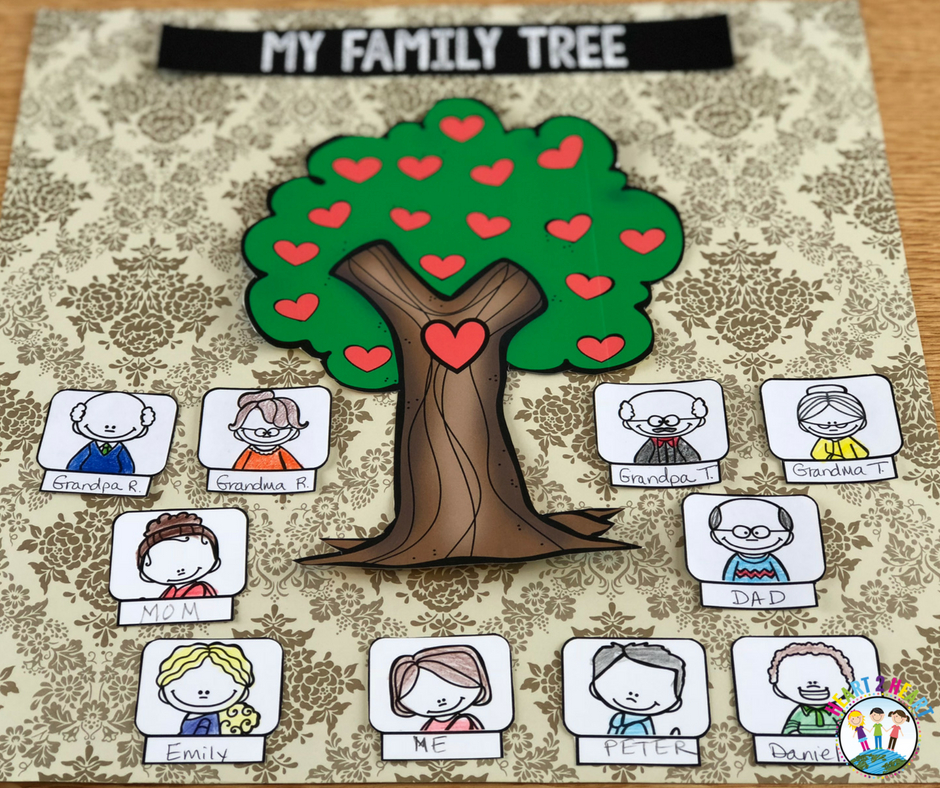
Bonus: Family Tree Project
Constitution Day is September 17
On this important day in history, the Constitution of the United States was officially approved. Teach your students about the writing of the Constitution with this fun unit!
Hands-on activities included are:
Constitution Day Passage
Comprehension questions
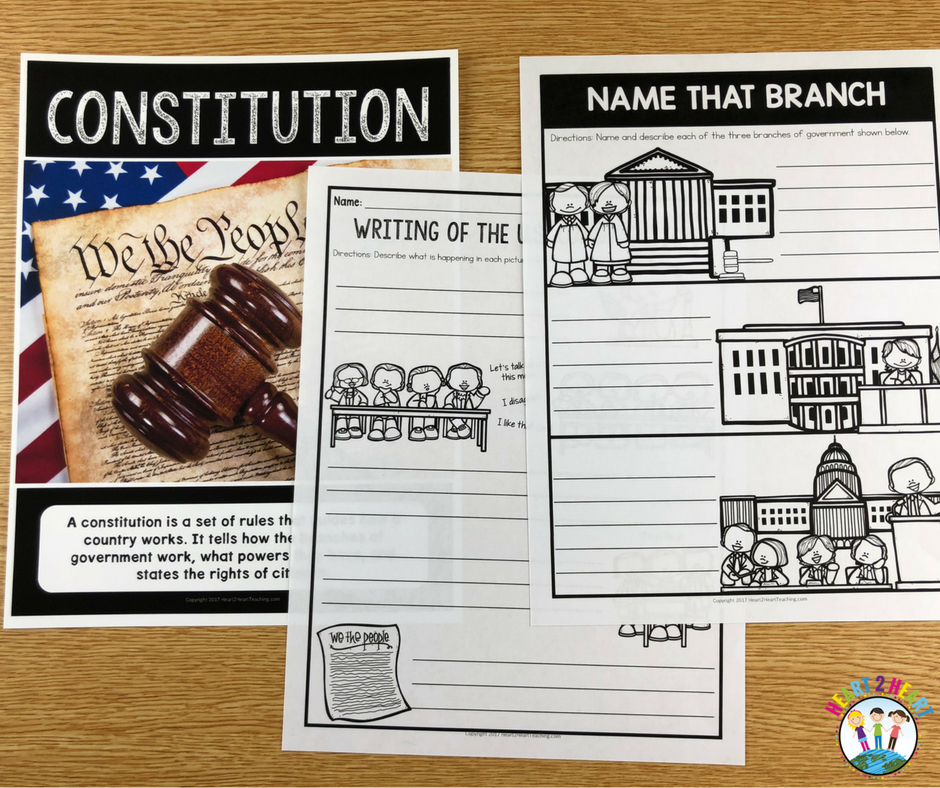
Name That Branch Activity
The Writing of the Constitution Summarizing Activity
Colorful Vocabulary Posters
As Busy as a Honeybee
Students will love learning all about bees with this buzzing mini-unit!
Activities included are:
Busy as a Bee Reading Passage
Comprehension Questions
Life Cycle of a Bee
Vocabulary Posters
Spotlight on Vocabulary
All About Sunflowers
Sunflowers are a huge sign that fall is coming. Students will love learning about these beautiful yellow and orange flowers that follow the sun.
Activities included are:
Spectacular Sunflowers Reading Passage
Comprehension Questions
Sunflower Life Cycle Diagram
Sunflower Craft
Vocabulary Posters
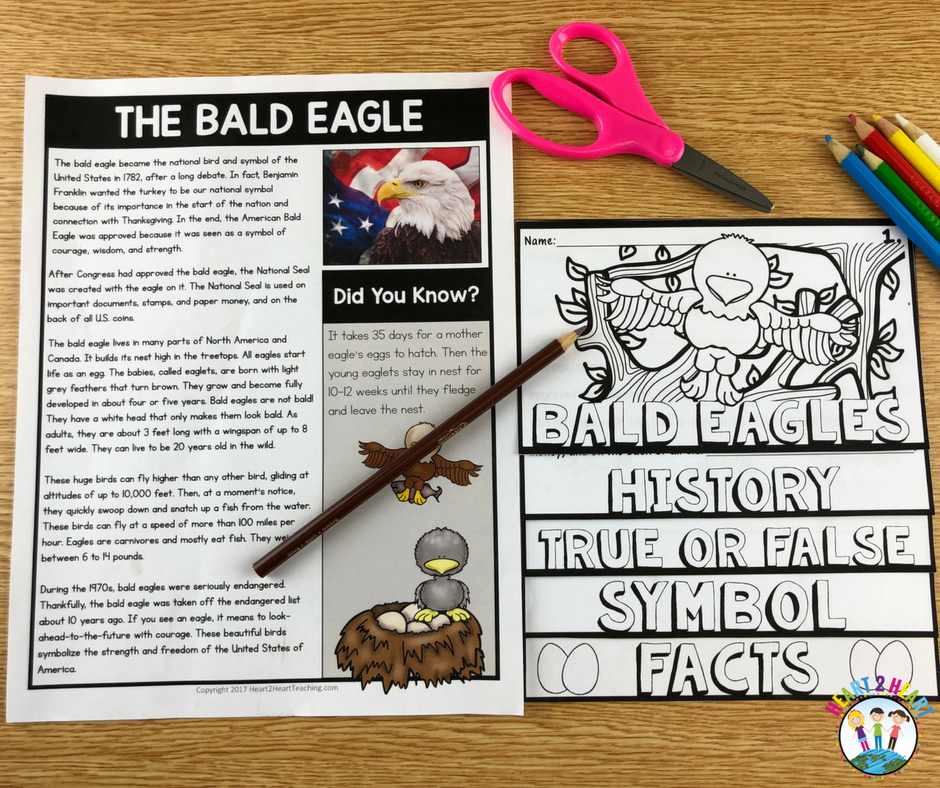
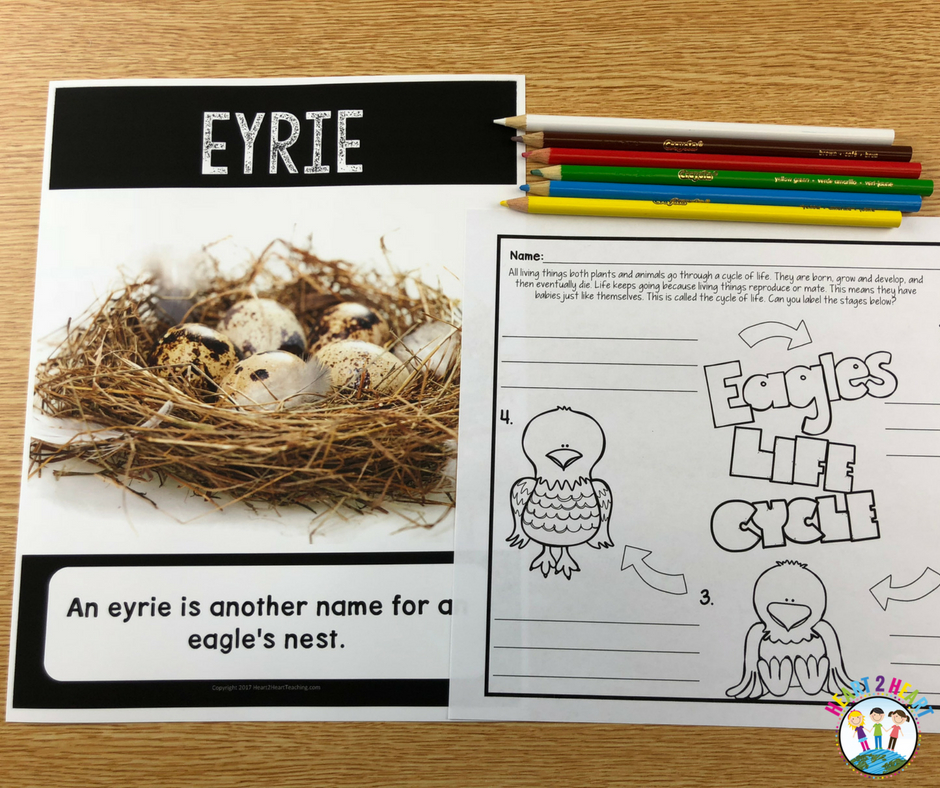
Bald Eagles
Bald Eagles are the national symbol for the United States of America. Did you know that these magnificent creatures fly higher than any other bird? It’s true! Students will enjoy learning about these amazing animals.
Activities included are:
The Bald Eagle Reading Passage
Comprehension Questions
A Flip Book
Life CyCyclef an Eagle Diagram
Vocabulary Posters
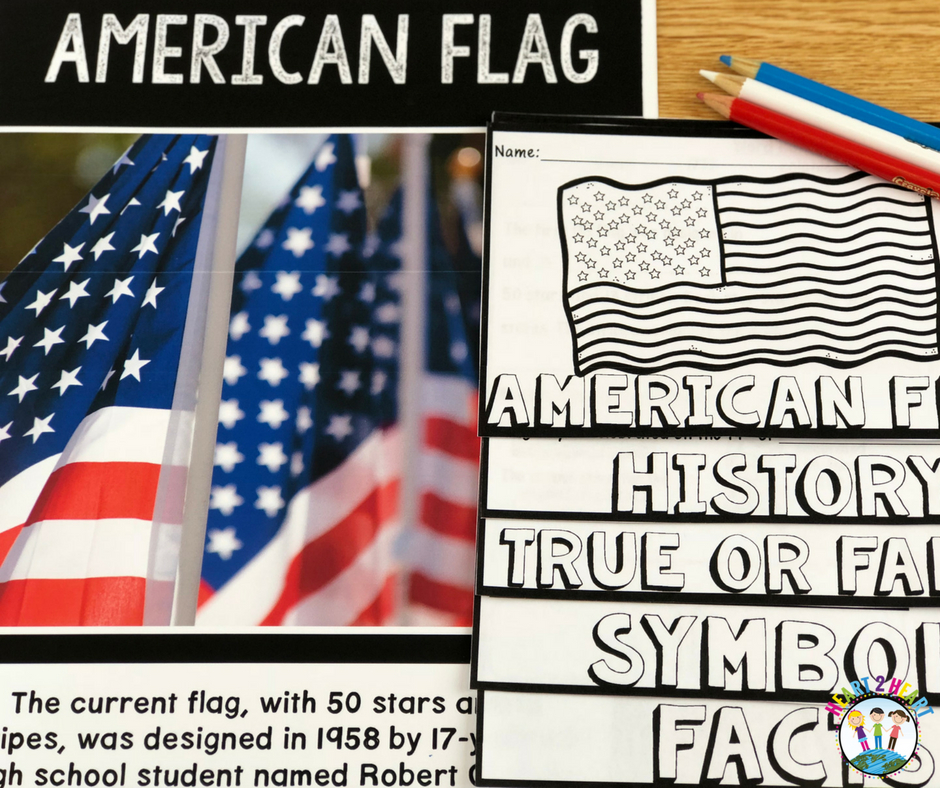
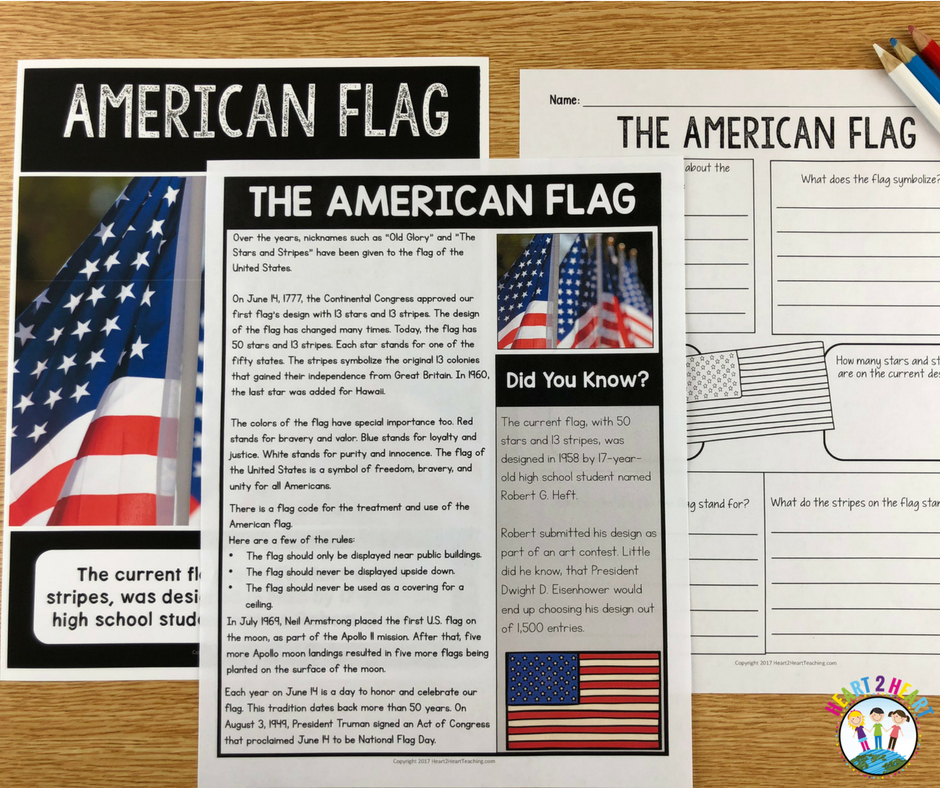
The American Flag
The American flag has changed many times over the years. Did you know that the current design was designed by a 17-year-old as part of an art contest? Use these reading passages, flip book, vocabulary posters, and more to teach about this important symbol.
Activities included are:
American Flag Reading Passage
Comprehension Questions
American Flag Flip Book
Vocabulary posters
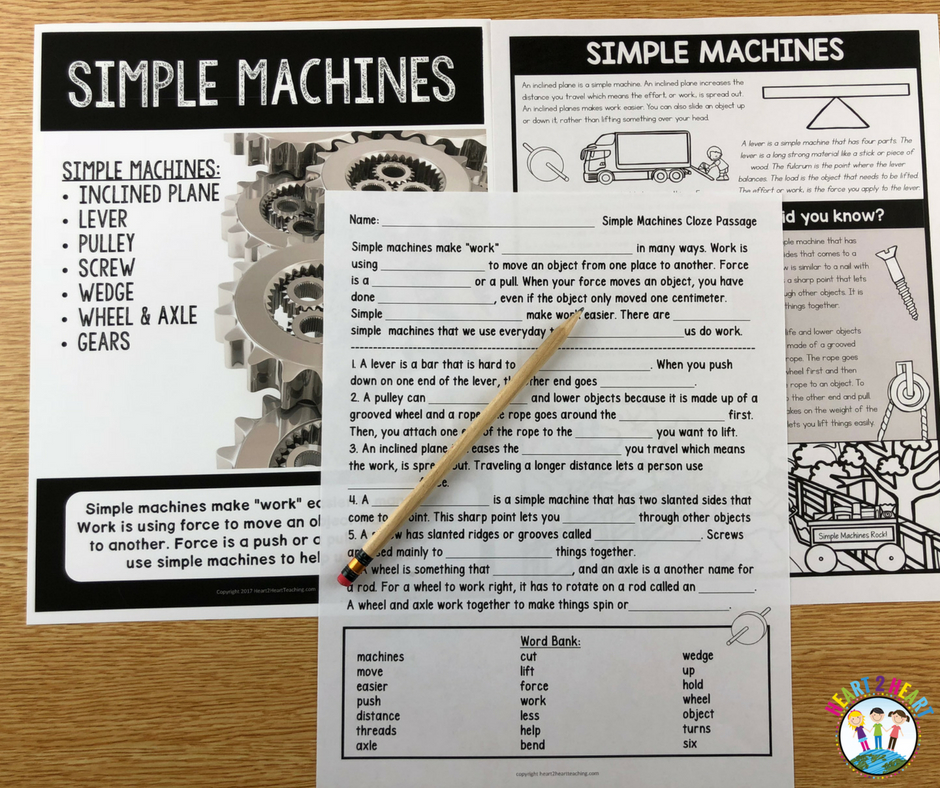
Simple Machines
A unit on simple machines is a great way to start the school year in science. This can also be an opening unit for a STEM project with these hands-on activities.
Activities included are:
Simple Machines Reading Passage
Comprehension Questions
Name That Simple Machine Activity
Cloze Passage
Family Tree Project Freebie!
This family tree project is a great any time of the year project. Students interview their parents or guardians to learn about their family history.
Activities included are:
Family Tree Questionnaire
Family Tree Journal
Family Tree Cards for a hands-on approach
For each monthly bundle, we have a special freebie for our subscribers. This month’s freebie added to our subscriber library is the Family Tree Project. Join 10,000 teachers and become a member of our Classroom Library for FREE Resources today.
We hope you Treasure Each Month as much as we do! Our Treasure Each Month Yearly Bundle is now available with amazing TEN BUNDLES to last the whole school year.
Setting up your classroom as a teacher can be overwhelming and stressful! There are so many things to consider…storage, layout, organization, to name a few. But there are some simple ways to have an effective classroom management system that runs smoothly all year. Let’s look at five ways to set up your classroom for success.
Map Out Classroom Space & Layout
Take a close look at your classroom space with regards to layout. The first step is to decide how you want your classroom to look and how it should be arranged for attention and flow. Students should face the front board, that’s a no-brainer but think about where is the best place to put your desk, classroom library, and small group stations. If you plan to do several stations or centers in your classroom you probably want them in different areas to give space and create an area that is specifically designed for that task. Common stations that are found in a lot of classrooms include art, math, writing, computer, and reading stations.
Think about where you can keep supplies close to each center and how students will move from one area of the room to another. There may be limitations on how you can arrange the space depending on where the door is located, computer hook-ups, or if there are built-in shelving. On a whiteboard or chalkboard sketch out the room. Be sure to add whiteboards, doors, windows, shelves, desks, computers, and any other built-ins. On sticky notes, write down all the different areas and centers you plan to have. Next, think about where to it’s best to place students desks, teacher’s desks, tables, books, classroom library, and supplies.
Lastly, consider where to have quiet areas and not-so-quiet areas. Move the sticky notes around until you find the ideal set up. Mapping it out will help you evaluate each area of the classroom and see the best options available.
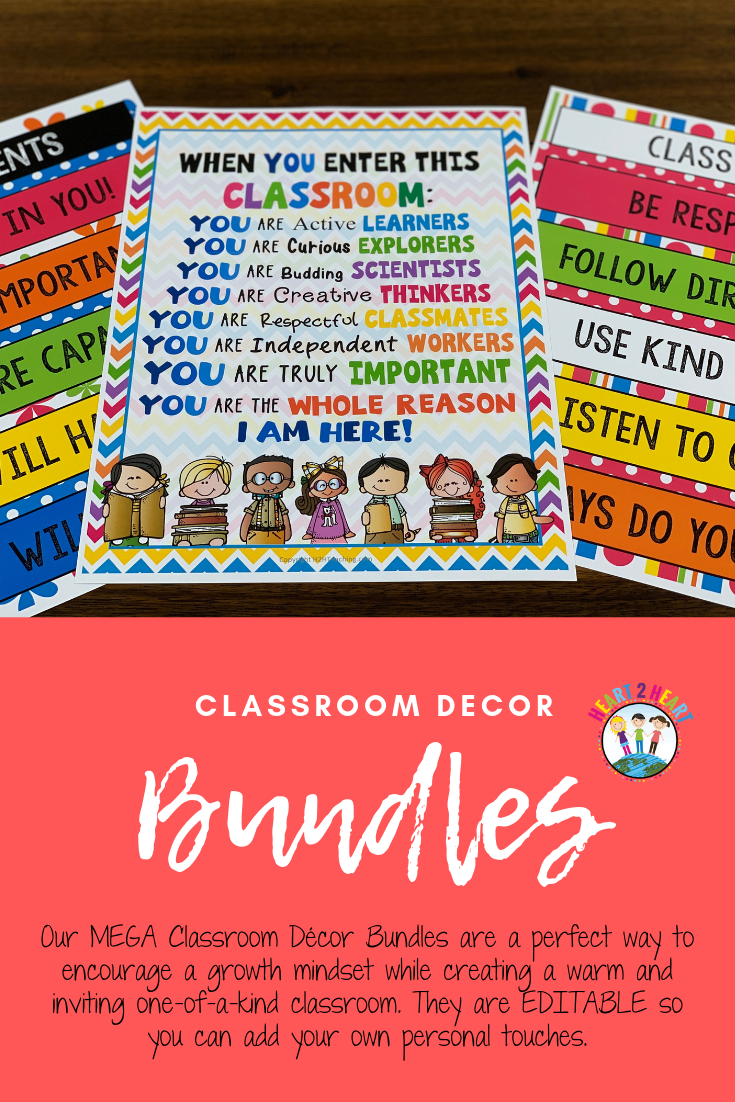
Attractive & Purposeful Class Decor
Have you ever walked into a classroom where every inch of the wall is covered with fluorescent posters? There’s so much to look at you just don’t know where to start. There are too many loud colors or too many patterns with no rhyme or reason to the design. Some students may be able to learn in this environment but for many people, there’s just too much going on making it hard to focus. These are all things to keep in mind when planning your classroom design.
Organizational Systems are Key!
Organizing your classroom can be one of the trickiest parts of teaching (at least for me!). What methods will you put into place that will help you stay organized throughout the school year? Think about all the things that teachers have to organize this might include:
books
classroom library books
unit lessons and materials
take home folders
files, files, and more files
parent information
papers to grade
papers to send home
student portfolios
lessons and materials to copy
school supplies
daily schedules
activities for centers
indoor recess stuff
data collection and intervention resources
professional learning development
curriculum maps
teaching materials
teaching books
PLUS 20 to 30 kids
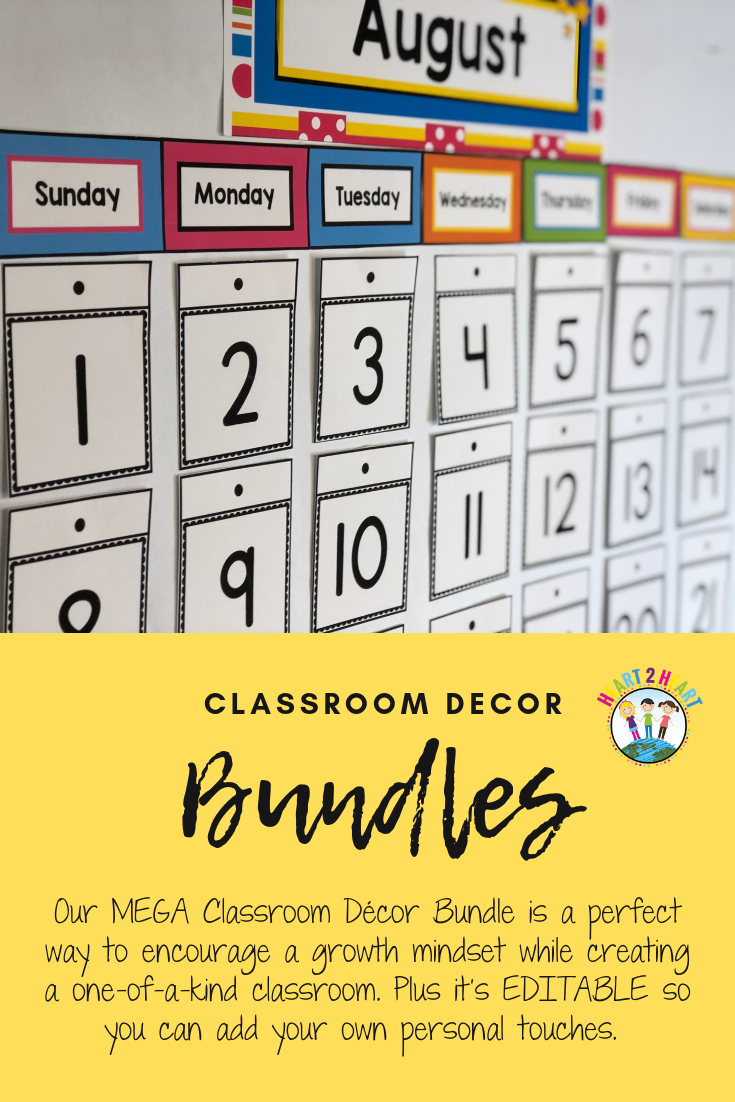
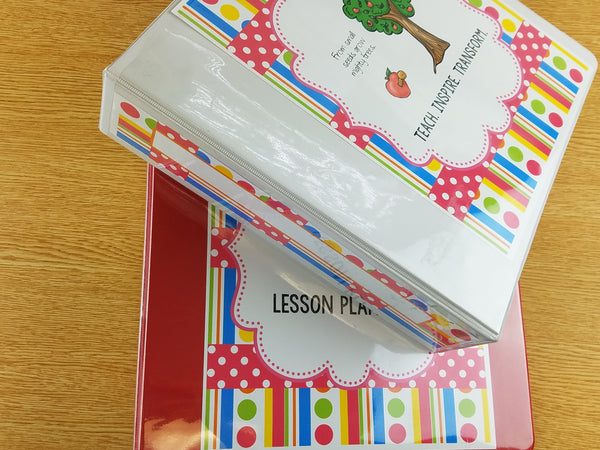
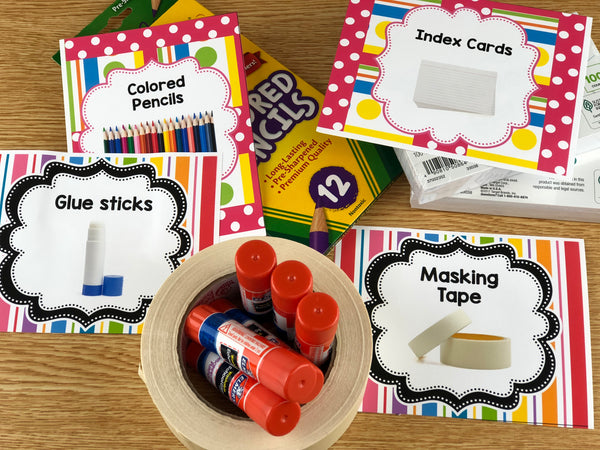
That’s a lot of stuff to organize and keep track of. (Whew!) A classroom decor pack with daily schedule cards, a calendar set, signs for centers and areas are an excellent way to help organize your classroom. One of the main things to look for in a decor pack is it editable? An editable file gives you lots of options to add your own personal touches. Look for packs that have extra labels in different shapes and sizes too. This offers the ability to mix and match for a lot of different areas including the classroom library, supplies, books, or as needed throughout the year.
How to Use Management Tools:
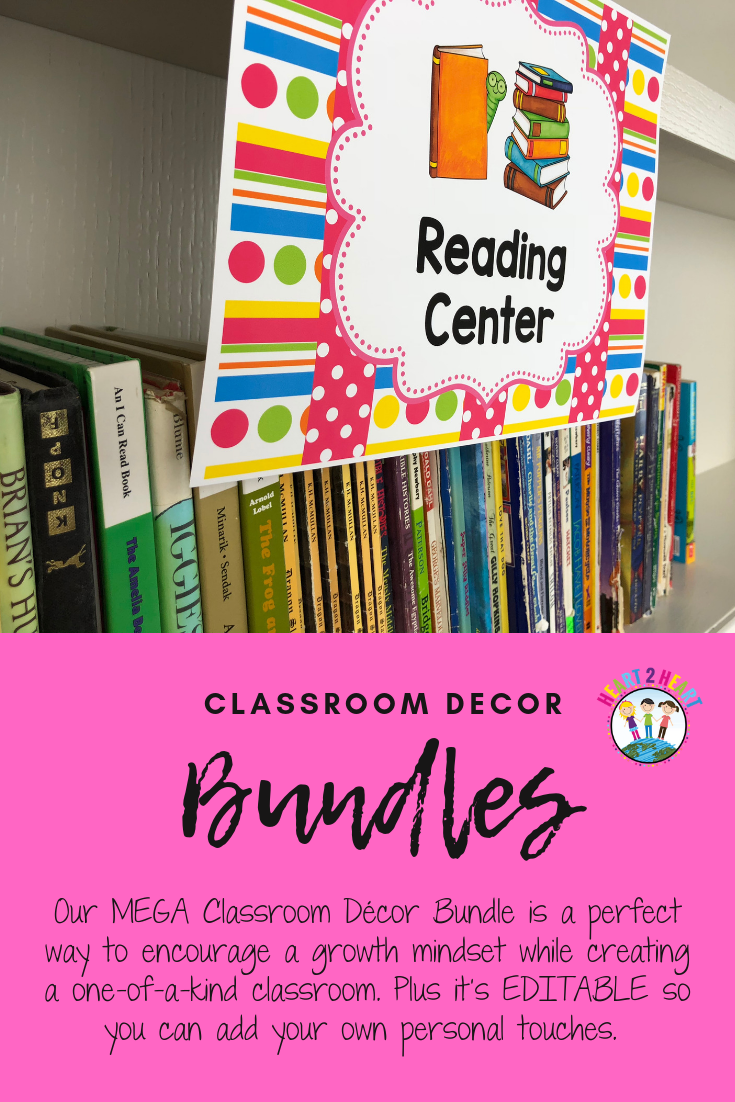
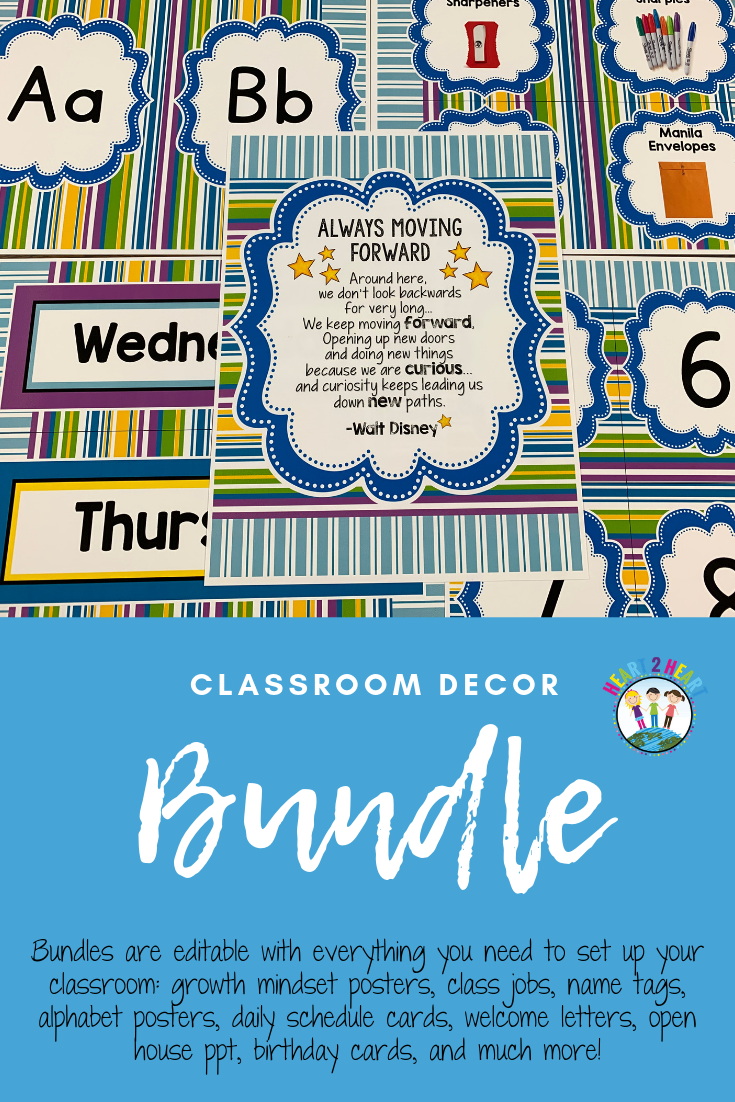
Our mega classroom decor bundles have everything you need to set up a warm and inviting one of a kind classroom. We have 15 different themes available when this was published and more on the way. Inside each bundle, you’ll find more than 400 pages of valuable resources to set up and organize your classroom including:
Welcome Back to School Letters
Open House/Meet the Teacher Presentation & Forms
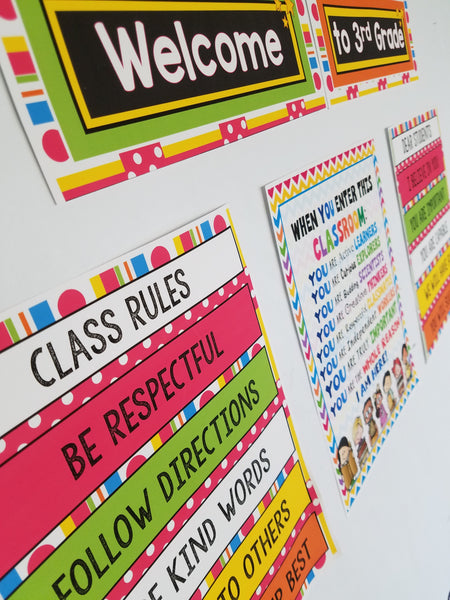
Classroom Rules Posters
Daily Schedule Cards
Build a Calendar Set
Center Signs
Table/Station Signs
Supply Labels
Name Tags/Desk Plates
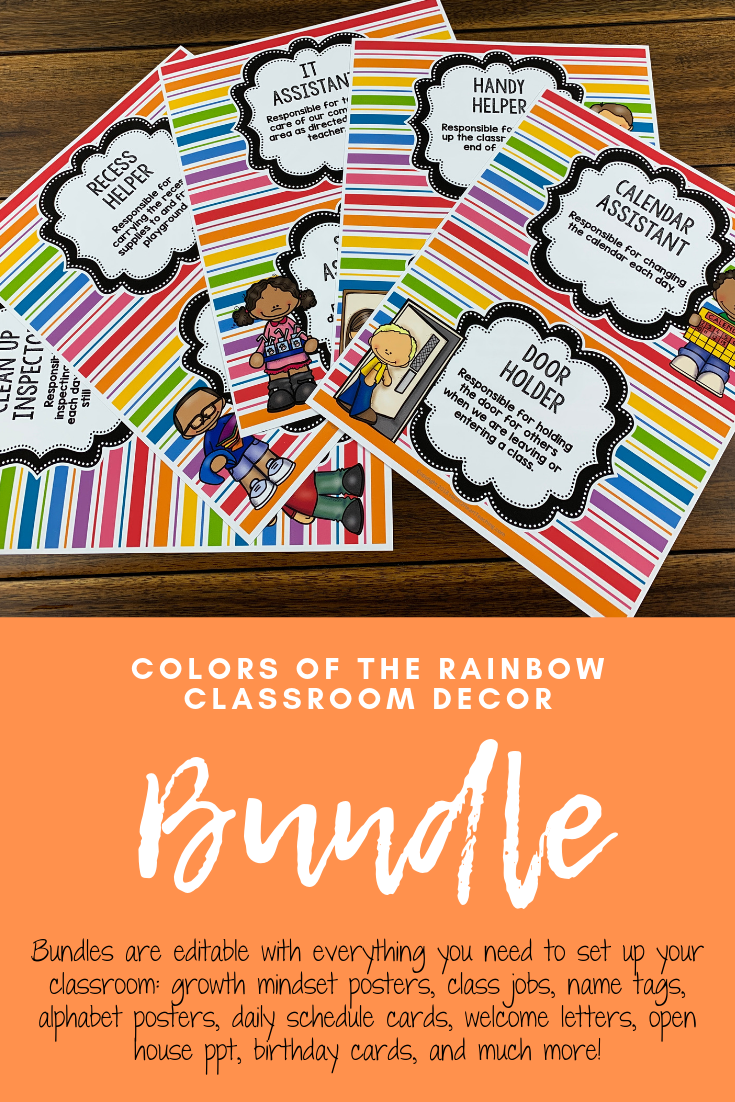
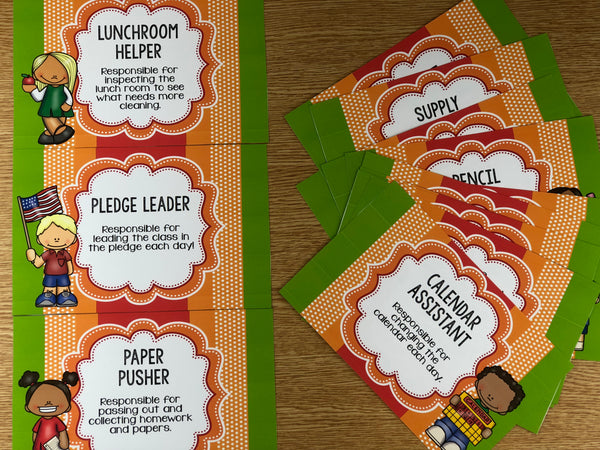
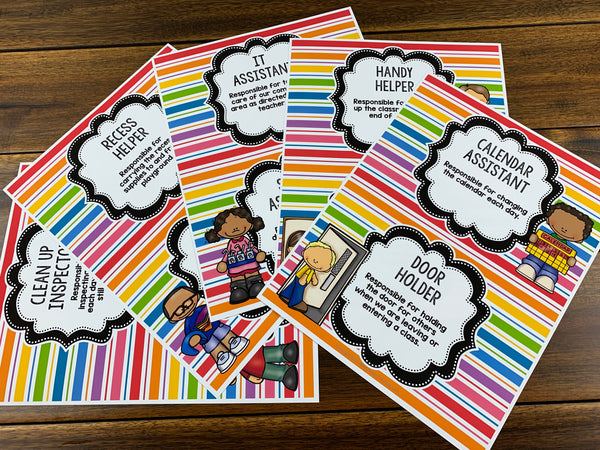
Classroom Jobs Pack
Teacher and Student Binder Covers
Student Agenda Pages
Newsletter Templates
Alphabet and Number Posters
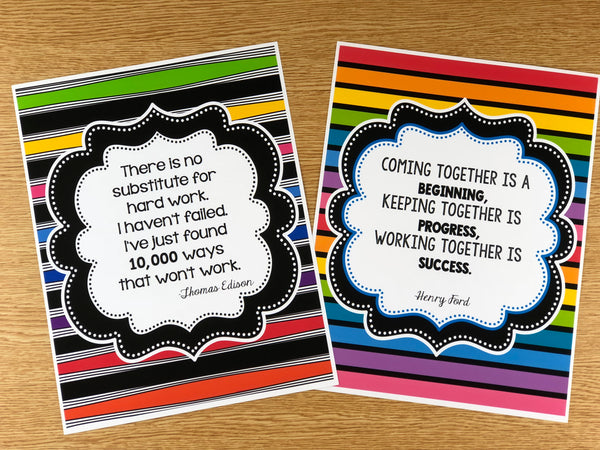
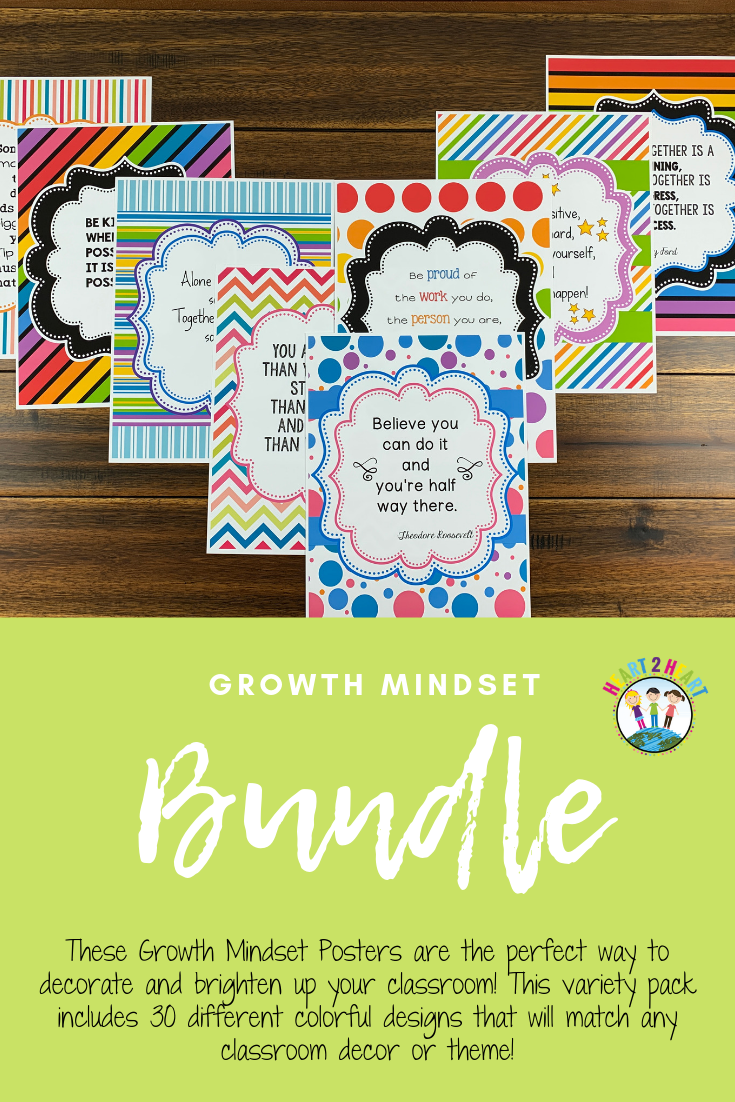
Growth Mindset Posters Variety Pack
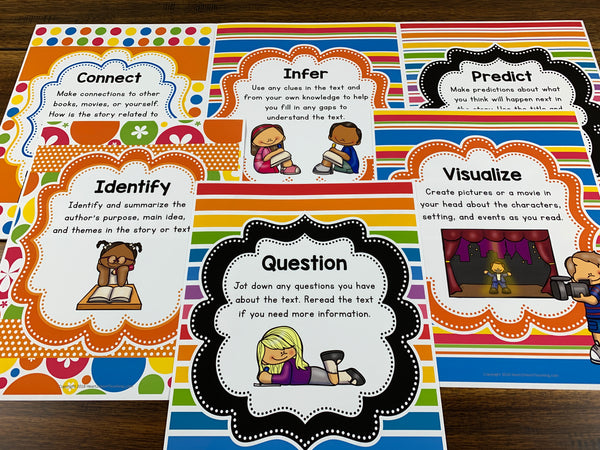
Reading Strategy Posters
Literary Genre Posters
Welcome Banners
First Day Activities
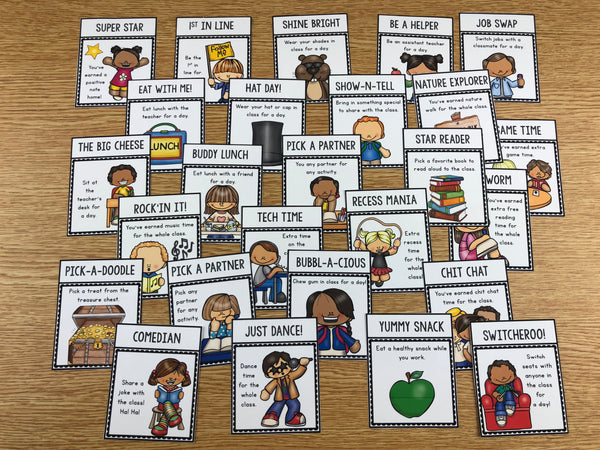
Reward Cards/Brag Tags
Extra Labels
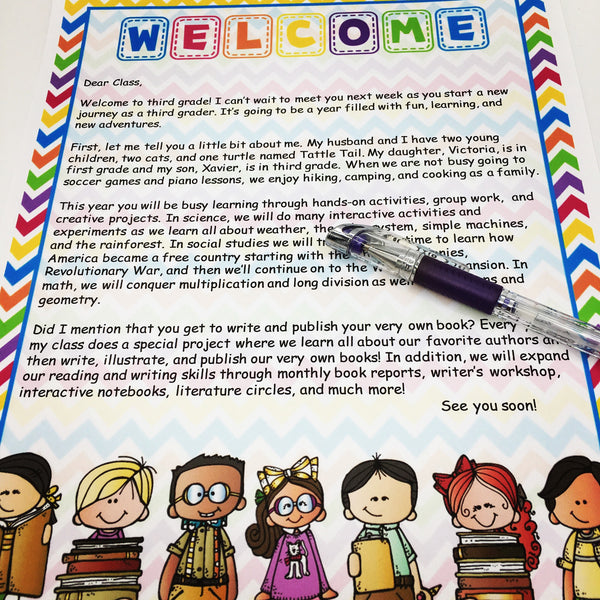
Send Welcome Letters to Students and Parents
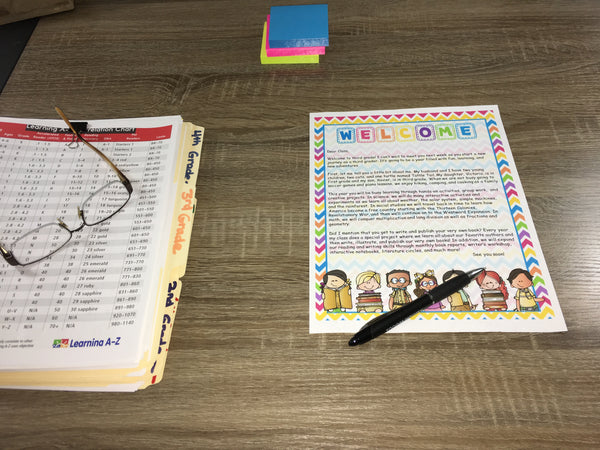
Welcome back to school letters might be the first thing you print. In summer, teachers can use the template provided as a guide to write and send home a letter to her students. Another option is to send home the letters on the first day of school. Personally, I love mailing out welcome back letters a couple of weeks before school starts. I send one to the students and one to the parents. I like to introduce myself to the parents and tell them a little about myself. I include information about my teaching experience, about the school, and what they can expect from the year ahead. In the letter to students, my goal is to get them excited about coming back to school. I might tell them a bit about myself but the letter is mainly about all the fun things they have to look forward to coming up this school year. I include things that might interest them such as what we will be learning about in science, social studies, and what books were going to read. I also include information about upcoming field trips or special events that we do each year. Anything that will get them excited about coming back to school is sure to be included.
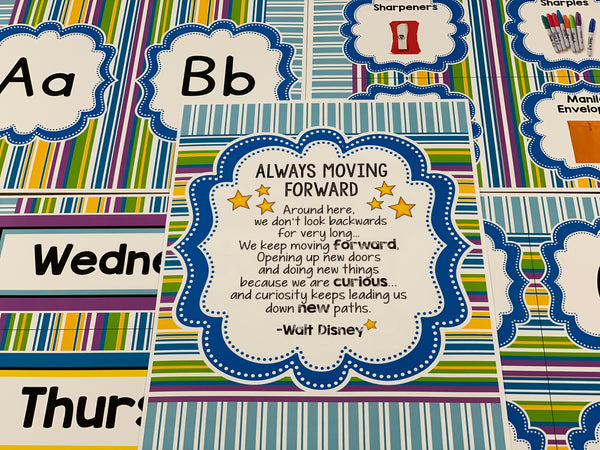
Along with welcome back to school letters, there are several poster sets in our bundles. Classroom rules, reading strategy, and literary genre posters are included so that you have a variety of options for an attractive display in different sections of the classroom. I recommend printing all the posters such as the Growth Mindset, reading strategies, and classroom rules on premium heavyweight matte presentation paper. I love, love, love this paper! It makes the colors almost POP off the page! Amazon seems to have the best prices on Office Depot Premium Brochure and Flyer Paper. Personally, I prefer matte paper over glossy to eliminate glare.
Celebrate Each Individual Student
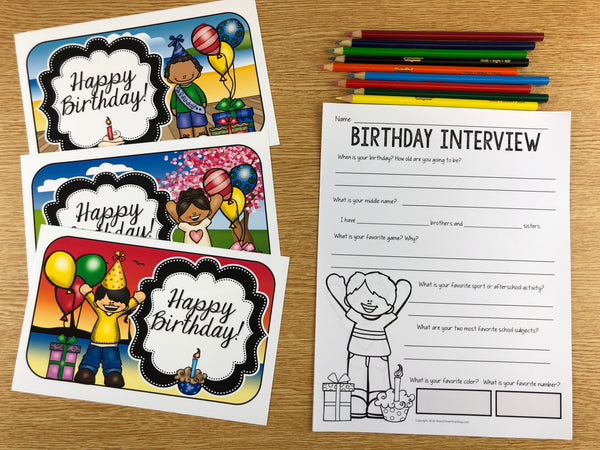
Celebrating birthdays in the classroom is a great way to build classroom community. In each decor bundle, you will find editable birthday certificates to give to a student on their special day. On each student’s birthday, I decorate his or her chair with a couple of balloons. I also write happy birthday on the front board so everyone can see it all day. Another fun thing that I like to do on each students’ birthdays, is to interview him or her at some point during the day. Usually, I use the lunchtime to do this interview about their favorite things. Then at the end of the day, I call the student up to the front of the classroom and have him or her sit in the seat of honor. The seat of honor is the teacher’s chair in front of the class. Students are only allowed to sit there on special occasions and their birthday is one of these times.
Birthday Interview Questions
I use the interview questions as a guide to asking the class these 10 questions. The birthday boy or girl gets to call on classmates to give them a chance to answer the questions about them. Some of the questions are about the student’s favorite things and others are about things that even their friends may not know such as what is his or her middle name. One rule of the game is that the student must call on different students for each question so that everyone gets a chance to participate. This is a nice way to recognize each student and they get to know each other a little better. For summer birthdays, we celebrate their half birthdays during the school year or another day that they choose.
Personalize with Your Style!
Let’s face it, you have to be in your classroom for many hours each day. So you want to make sure that it is decorated to suit your style and taste. Take a look around on Pinterest or in stores you like to see what colors, styles, and special touches you can add that make your classroom feel like home (a second home). Chances are if you feel comfortable there so will your students! Some ideas that come to mind are adding a lamp in a dark corner or an area rug and bean bag chairs in to create a cozy library section. Search on Amazon for area rugs on clearance to see some great deals. For me, having a shag rug in front of the classroom where students sit during circle time is a good thing. It also provides padding to areas where I stand for long periods of time.
Communication is Essential
Many teachers loved to use our classroom newsletters to keep parents in tune with what’s coming up with important dates, special events, and other news about what is happening in each subject area. There are several classroom newsletter templates that are editable. Are you have to do is either print and write in important dates or information for parents to know. Or you can open them in PowerPoint to edit them. To edit them, simply click inside the text boxes and add the dates and/or information that you want to add. With cute designs and matching themes, there’s enough to make several different ones throughout the school year.
Make Open House Night Count
Open House or Meet the Teacher might be the first time you meet the parents of your new students. It’s so important to establish open lines of communication from the very first meeting that will continue throughout the year. Set up your meet the teacher or open house night with ease! Our slideshow presentations are set up to match each of the many different themes available. The presentation is editable in PowerPoint. Inside you will find slides with information that you can tailor for your needs. The information provided is intended to act only as a guide to help to get you started on what you want to present to the parents when they come in to meet you and see the classroom for the first time. Sign in forms and volunteer forms are available in the bundle.
Send Positive Notes Home
Another communication tool and a way to reward students is to send positive notes home. In this pack, I’ve included several different styles with and without clip art to send a note home to celebrate something that a student has done in the classroom. This celebration could reward academically related or positive behavior that is being celebrated. Notes can be printed and then you add in a handwritten note to personalize it or you could open the PowerPoint version that is editable and print it that way. Sending a note home to their parents is an excellent way to reinforce positive behavior and make students feel special.
Effective Classroom Storage
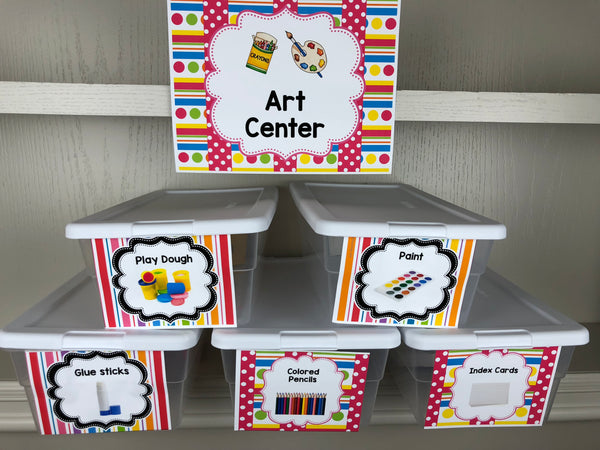
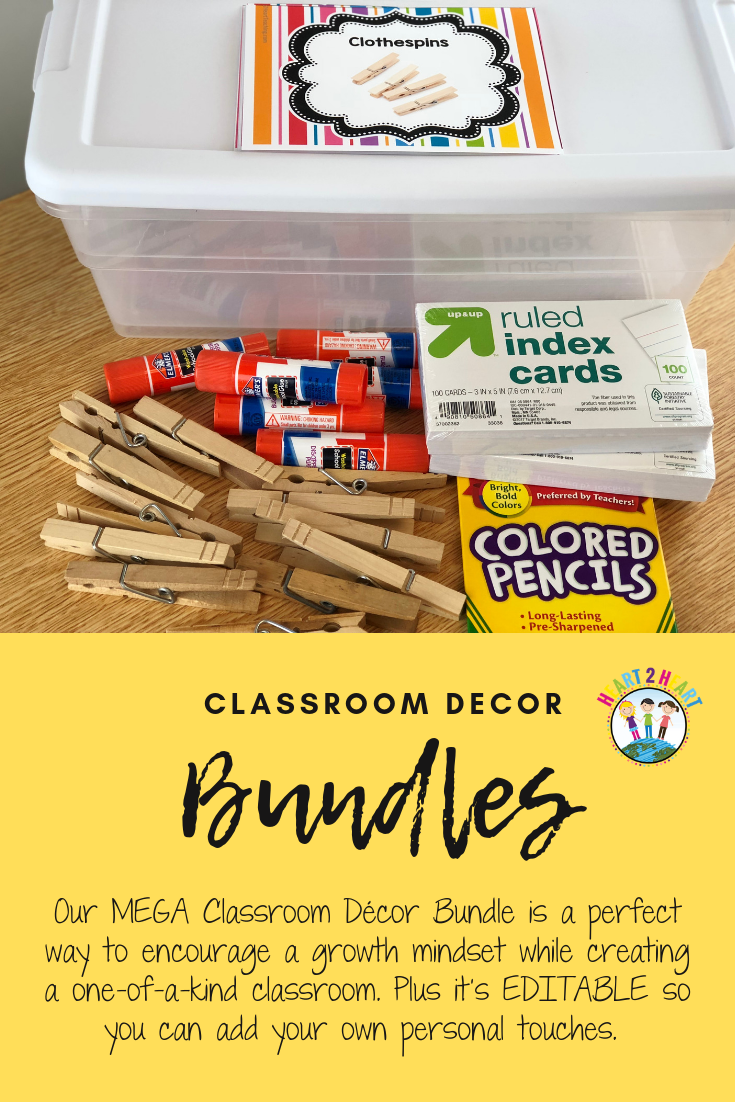
There are lots of organizational components in our MEGA Classroom Decor Bundle. Teacher and student (editable) binder covers, daily schedule cards, and a calendar set. You’ll love all labels with real-life photos of supplies to label your plastic bins or containers. Some of the best containers that I have found have been at IKEA, target, or Walmart. Amazon is another great place to find a variety of plastic bins with lids in all different shapes and sizes that you can use to organize supplies and other items in your classroom. The large storage bin with wheels is my favorite for storing and organizing supplies and printables for centers, projects, and reading groups. It’s so easy to pull it over to wherever you might need it! It’s even color-coded to use with reading groups so it functions as a way to organize everything for each group. It has a nice shelf on top for your lesson plans, binders, books, or other supplies like pencils or a stapler that you might need to keep on hand.
Give a Warm Welcome
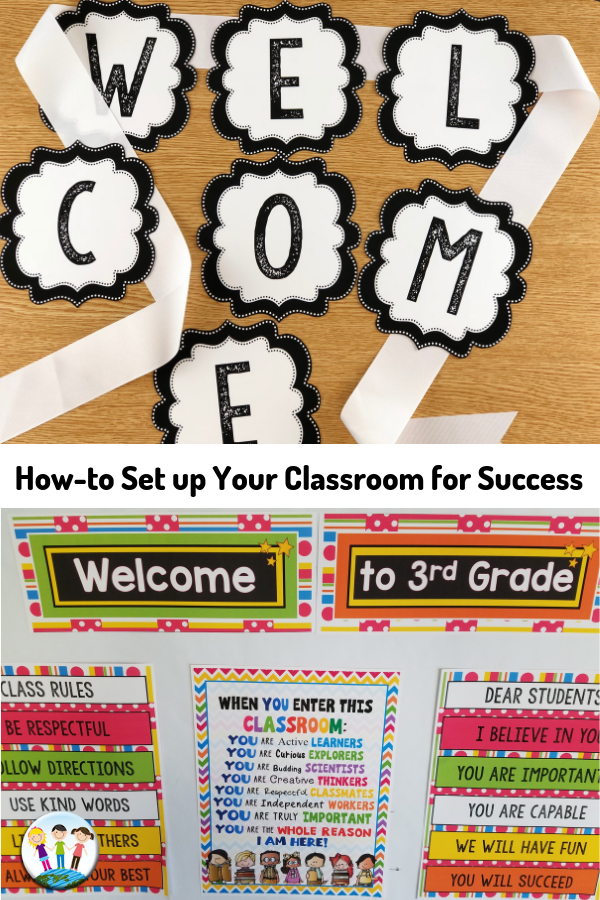
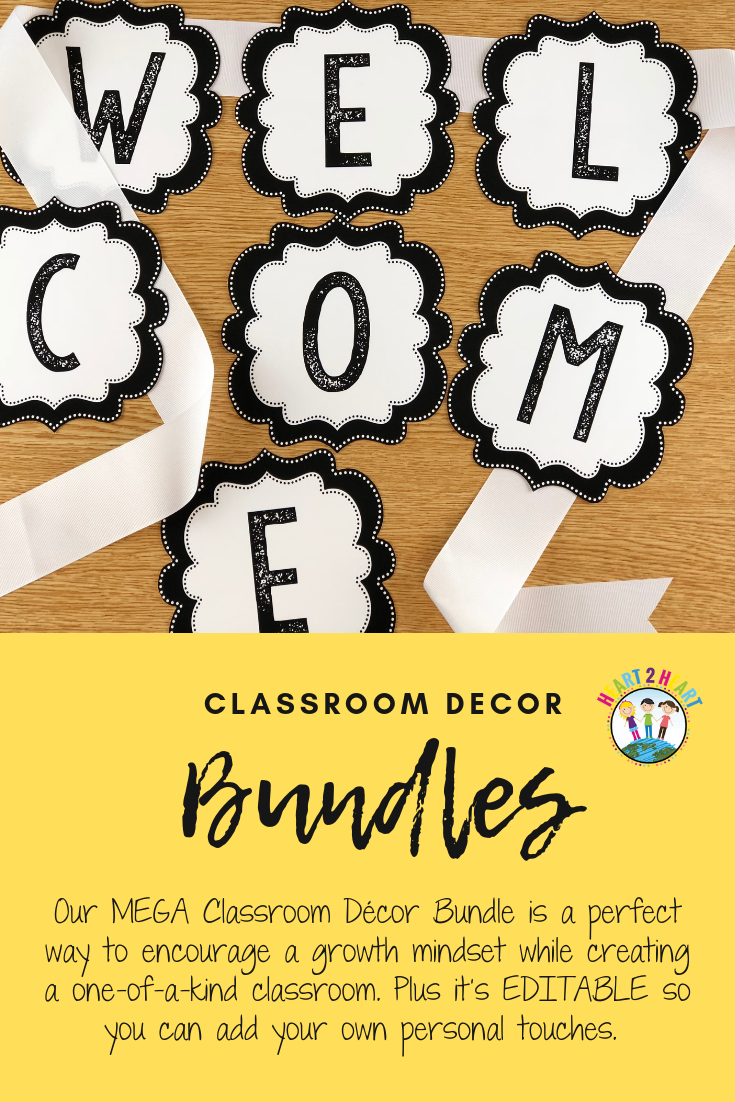
A fun welcome banner is included in all our decor bundles. To assemble the welcome banner, head to Hobby Lobby or Michaels to buy some wide ribbon. For mine, I used a 2 1/2 inch white ribbon from Hobby Lobby. A nice burlap ribbon would look amazing too! Then I used a small dab of hot glue to attach the W-E-L-C-O-M-E letters to the ribbon. You could also use masking tape to hang the letters directly to your classroom door or on a bulletin board. A blank banner template is included so you can design a banner for any reason such as areas in the classroom, centers, important reminders, holidays, or anything else you desire.
Be Functional And Purposeful
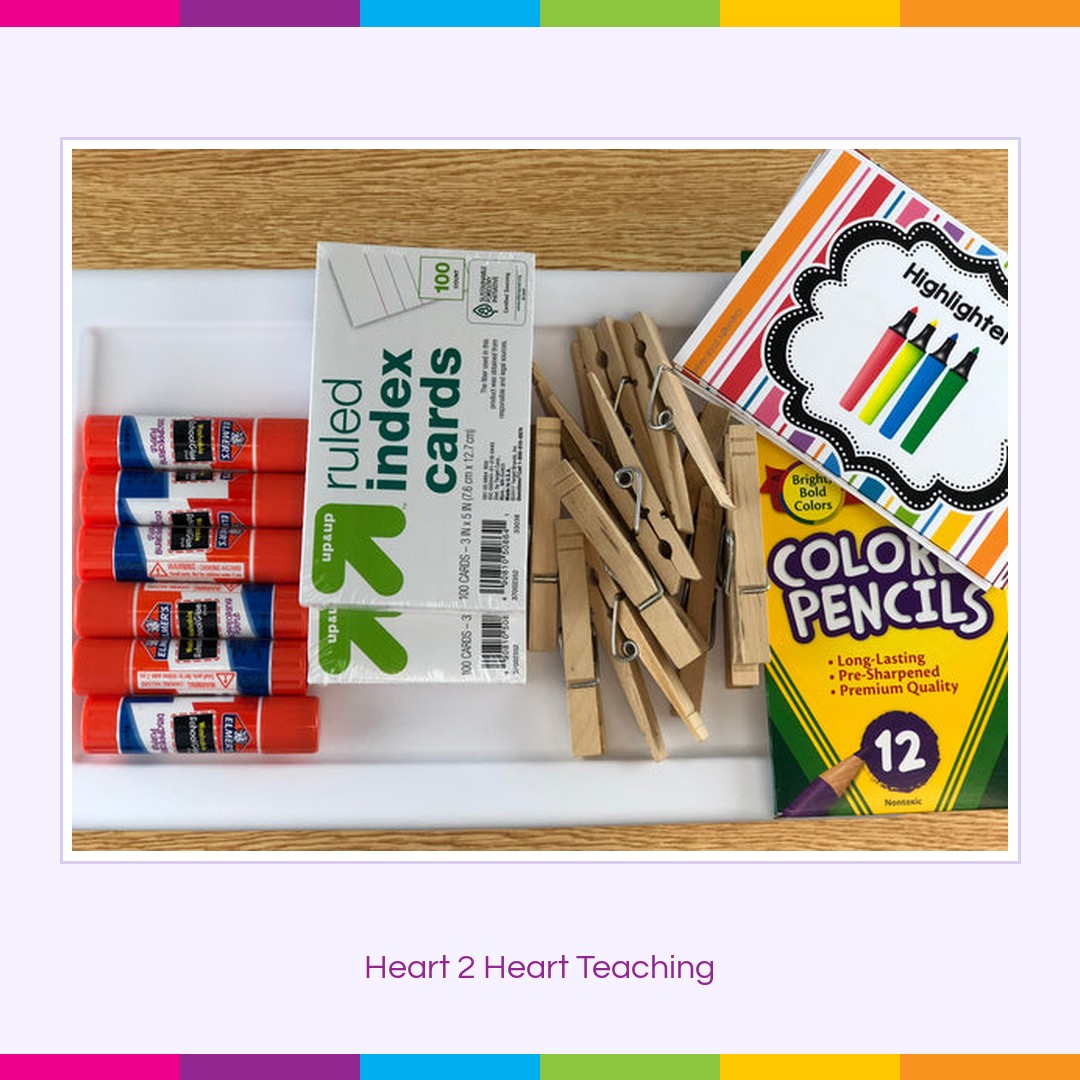
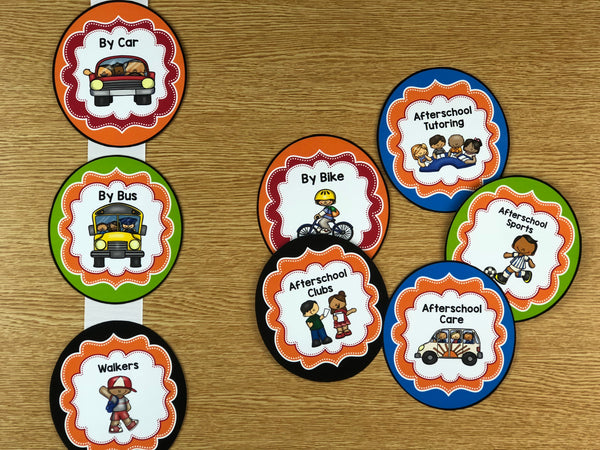
Have your students help you cut down on daily tasks by setting up management systems on the very first day of school. As soon as students walk into the classroom in the morning, teach them to move their clothespins, or clips, and put it on the card that shows how they are getting home from school that day. Another design that I have heard of is to use a large cookie sheet and attach the student’s names on magnets so they can move their magnet to show the way that they are getting home that day from school. This saves time for you and you’ll know at a glance how to line students up at the end of the day.
Reading Strategy Posters
Display Posters From A to Z & More!
Students in lower elementary grades like to look up alphabet posters to help them with learning to read and write and sound out words. We’ve included alphabet posters in different sizes so that you have options depending on the space you have available to display the posters. There are 200 high-frequency words cards for the word wall included in our packs. Number posters, genre posters, reading strategy posters, and center posters come in all our decor bundles.
Classroom Jobs Teach Responsibility
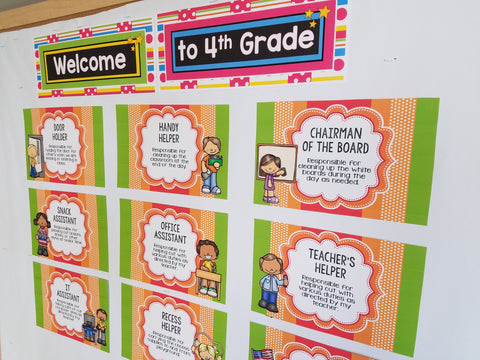
All our bundles include classroom jobs card sets are included. Inside our classroom job pack, we have a mini-job application that says, “we need your help.” Its good practice to have students apply for a job. It builds responsibility and makes it feel like “real”. On the form, it asks students to pick their top three choices of jobs and to explain why they feel that they would do good at that job. Since there are 24 different jobs and only 10 months of the school year, each student is only going to have an opportunity to do 10 jobs. I recommend rotating student jobs once a month. This gives the student an opportunity to shine and become a specialist in that job. It keeps paperwork at a minimum for you! So, in setting up your classroom think about what kind of help you need to keep the classroom running smoothly. What jobs can students do that is helpful to your classroom community? As a side note, when assigning jobs to students to try to give the most active jobs to the most active students.
Reinforce Positive Behaviors
Posting the jobs on a bulletin board with the description and the title show students the opportunities available to them. During the first week of school, be sure to describe the responsibilities of each job to the students. I like to take some time to do this. Students need to know that they are an important part of the classroom community and that if we all help each other it will make our community stronger. We are better together. Make sure to complement students who are doing an amazing job. You might say something like, “Alexander, thank you so much for opening the door and reminding everyone to be quiet as we walk through the halls. That was perfect!” Positive encouragement is a great way to showcase students and reward them for their hard work and efforts.
Have a Reward Systems in Place
One of the most important decisions you will make about setting up your classroom is what type of reward systems you will use. Over the years I have tried many different types of reward systems. Check out the blog to read more about a reward system that really works! I have had great success with a program I have developed over the last 15 years called STARS. It’s a student recognition and reward system where every student can be a shining STAR!
There are several reward cards that you can hand out to students to reinforce positive behaviors. I like to keep a few in my pocket to give out to students throughout the day to encourage and reward positive behaviors.
Have a Growth Mindset Freebie Pack
Having a growth mindset is so important that’s why we’ve included a special variety pack of 30 growth mindset posters in all of our classroom decor bundles. They come in all different colors and designs to mix and match in any classroom while reinforcing a growth mindset in your students.
We have a variety of classroom decor themes available in our TPT SHOP. Mix and match the colors and designs from our other décor bundles to create a one-of-a-kind classroom. If you like these colorful designs, you might also like our other Classroom Décor Packs, Alphabet Photo Posters, and Growth Mindset Class Awards Variety Pack.
Every year on the 14th of February across the United States, we give candy, flowers, and cards to the people we love. In the 1840s, Esther A. Howland began selling Valentine’s Day cards in America. She made beautiful cards with delicate lace and colorful ribbons. Today, there are more than one billion Valentine’s Day cards given out each year.
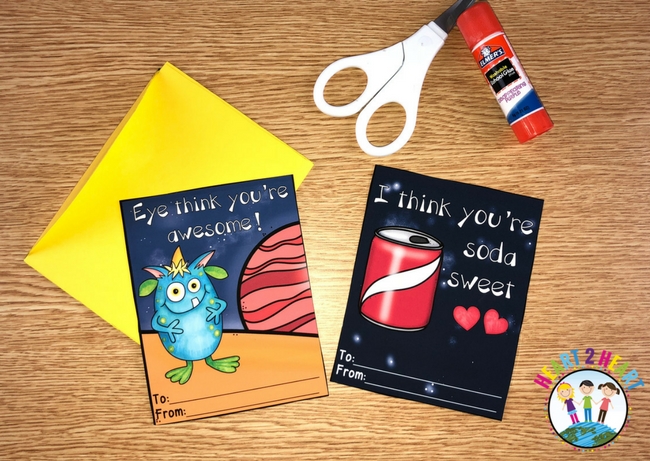
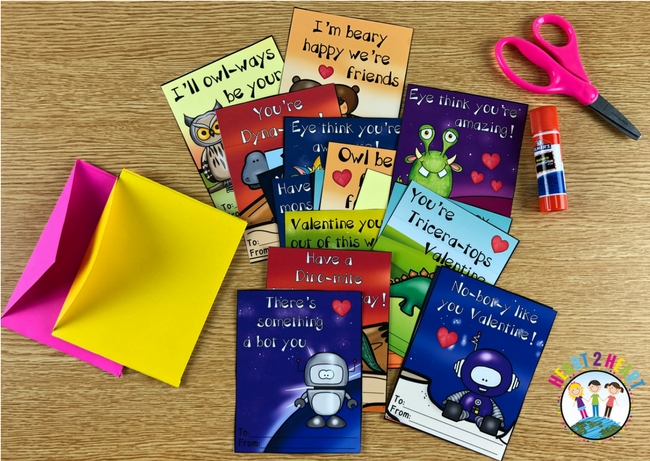
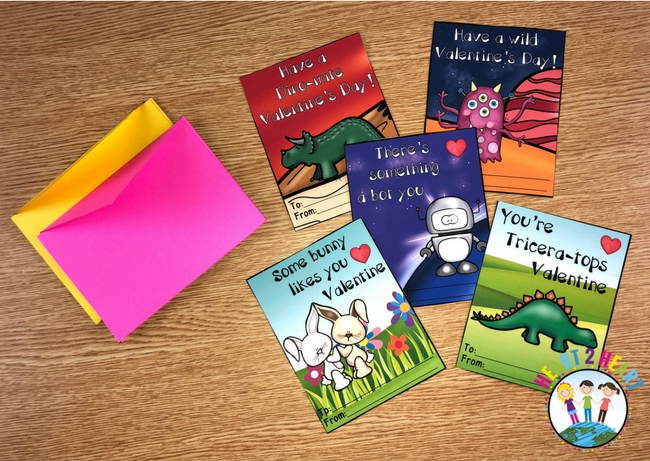
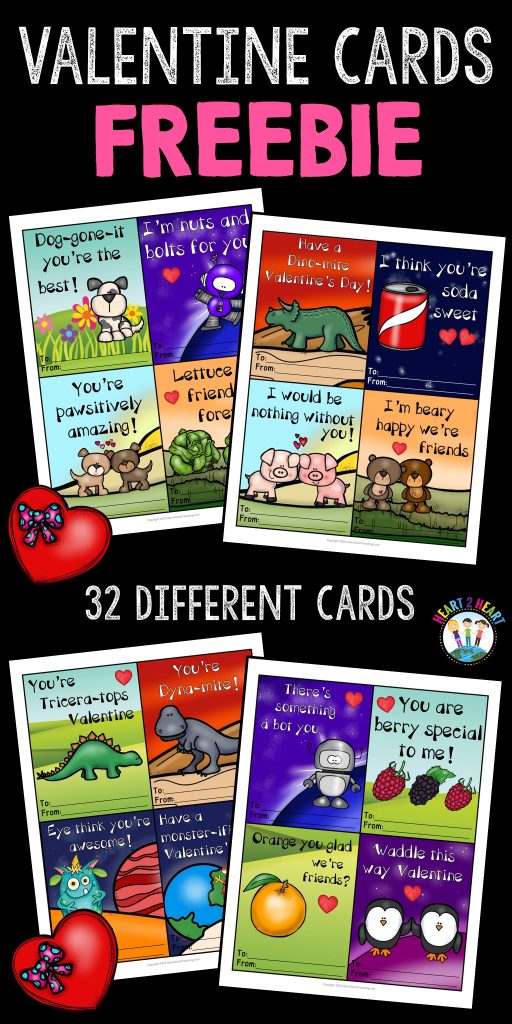
A Sweet Valentine’s Day Surprise just for YOU! We have created a cute and colorful pack of 32 Valentine’s just for you! There are two different versions to give you lots of options. For best results, print them on cardstock or Premium Brochure & Flyer Paper from Office Depot/Office Max.
These cards can be used in many different ways in the classroom:
Give out to your students with a sweet surprise taped to the back (smarties or tootsie pops work well)
Students can make them and hand them out to other students in the class.
Sign up for our newsletter to gain access to our Classroom Library of FREE Resources where you’ll find lots of fun resources to use in your classroom. The best part is it’s a G-R-O-W-I-N-G library with new goodies added every month.
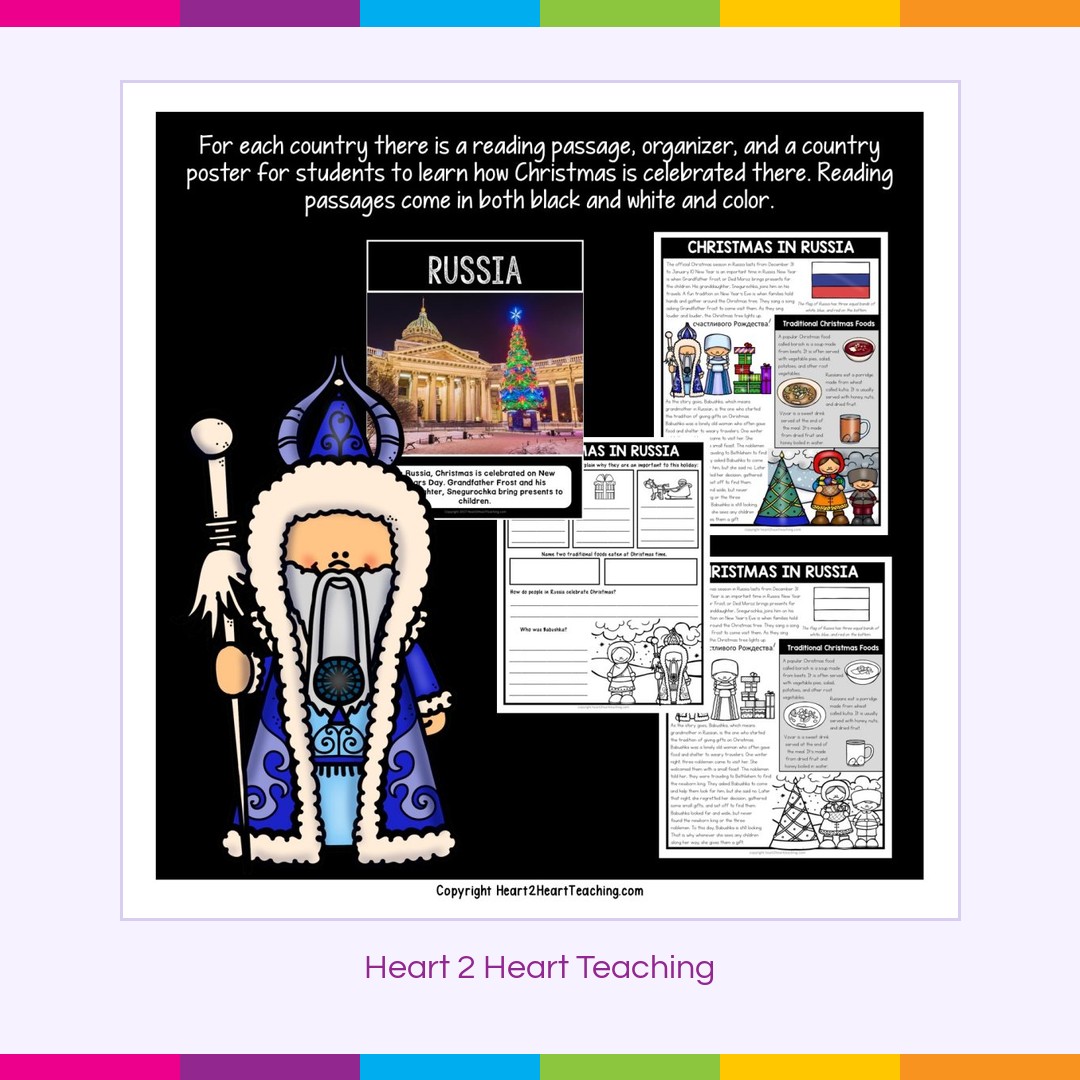
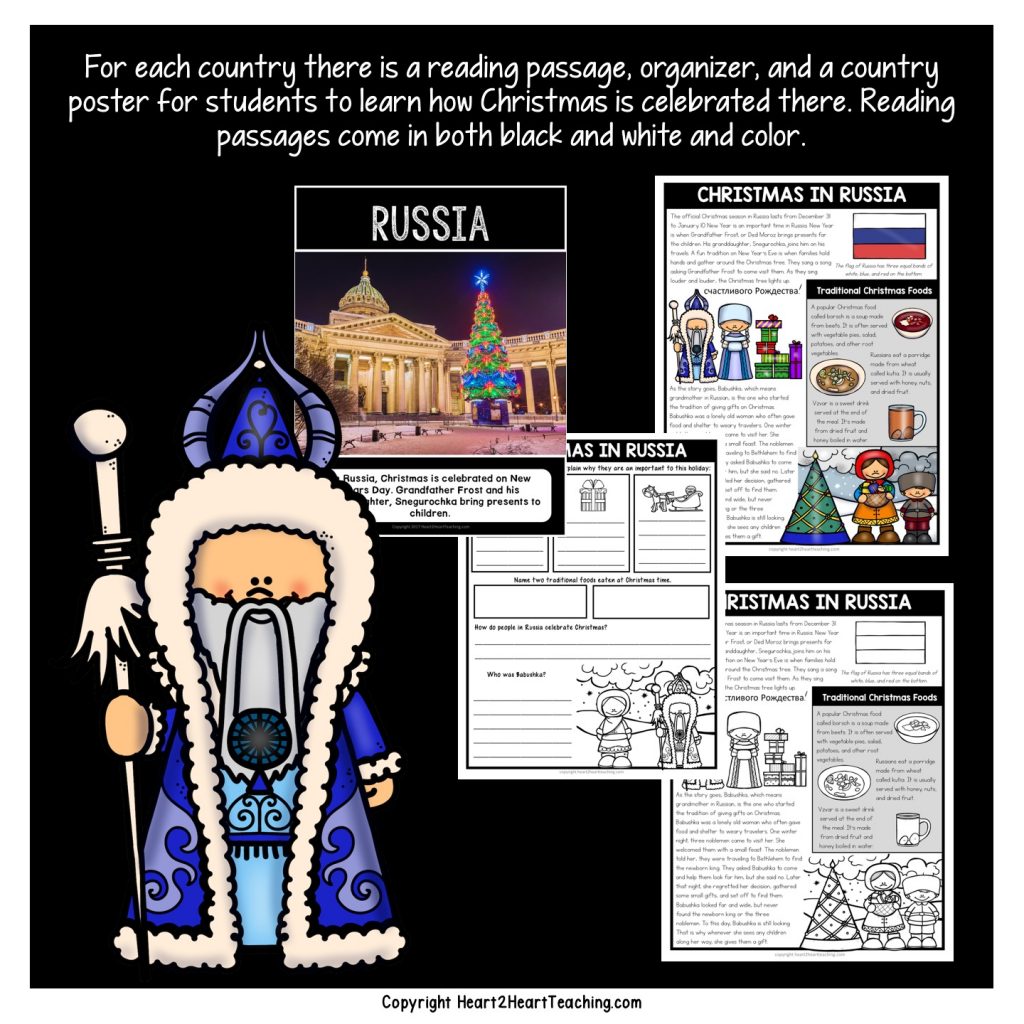
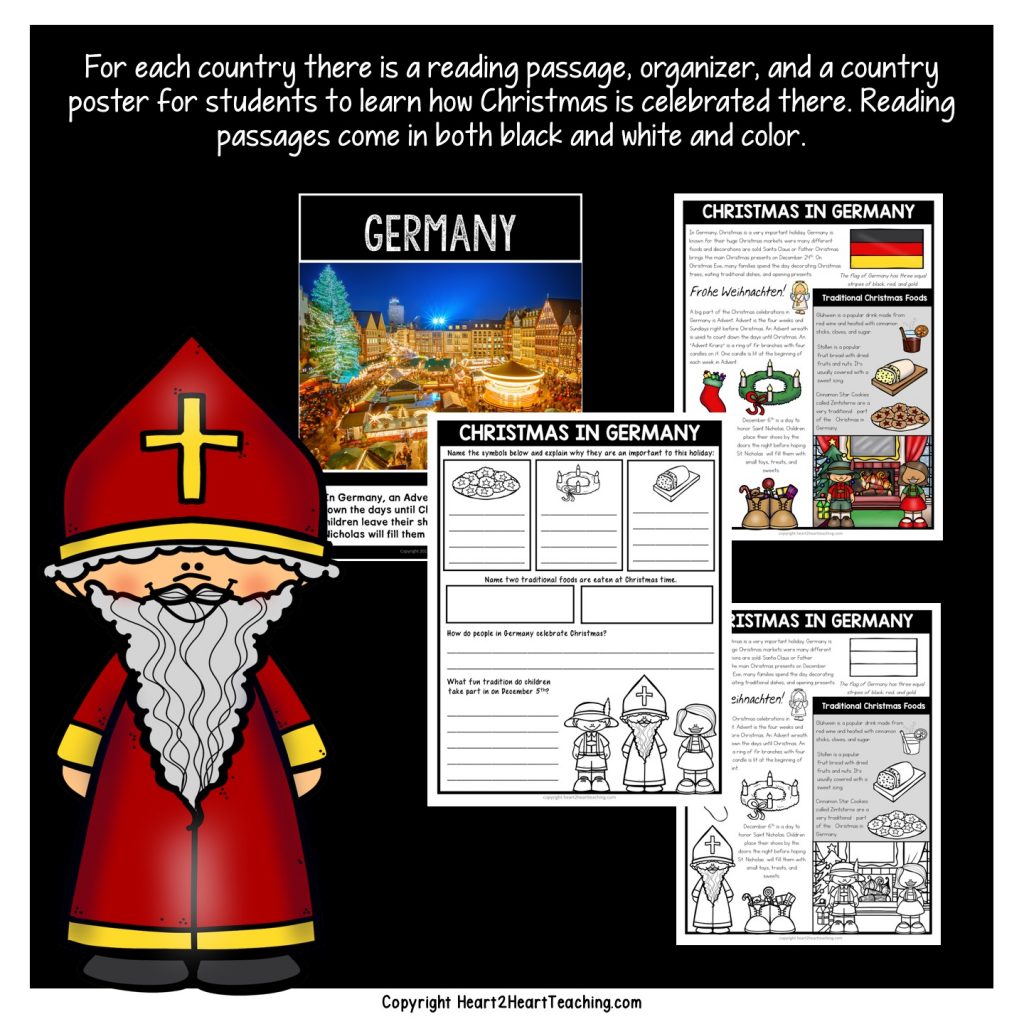
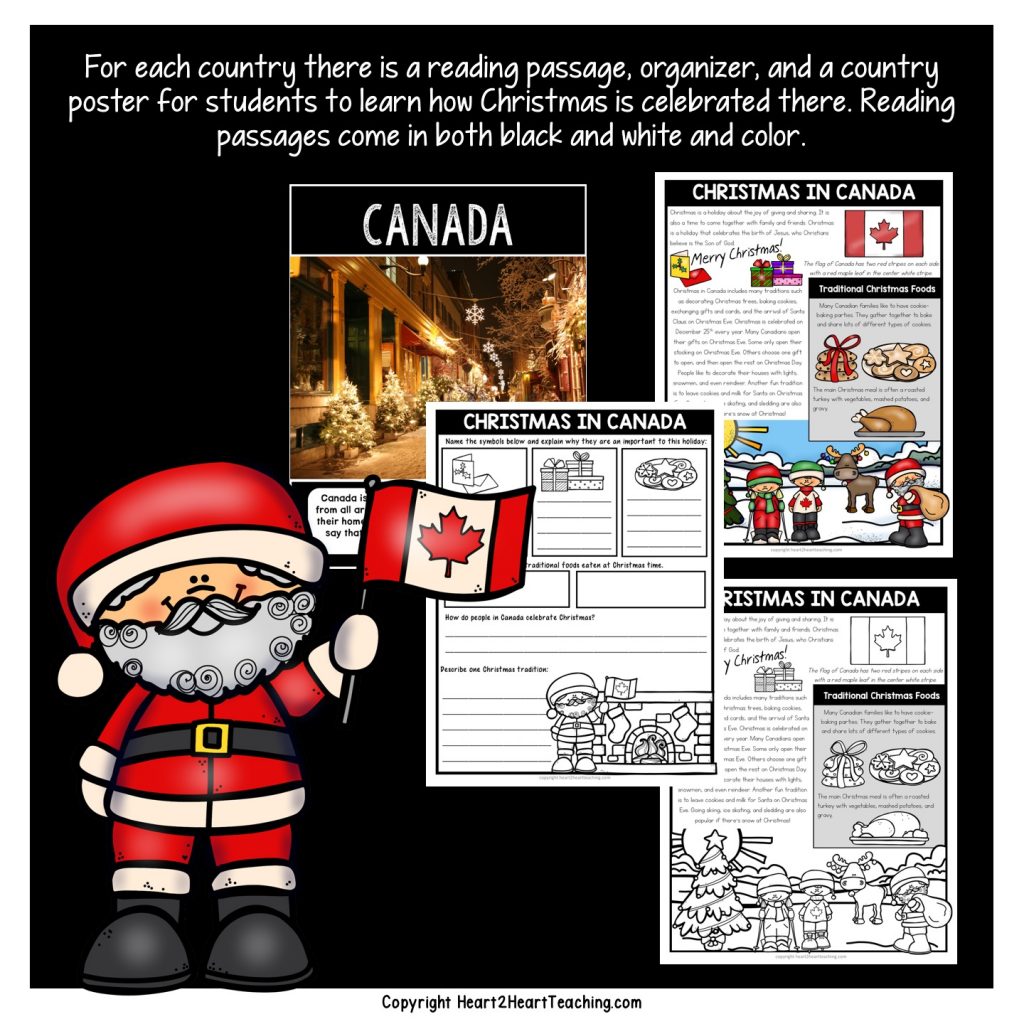
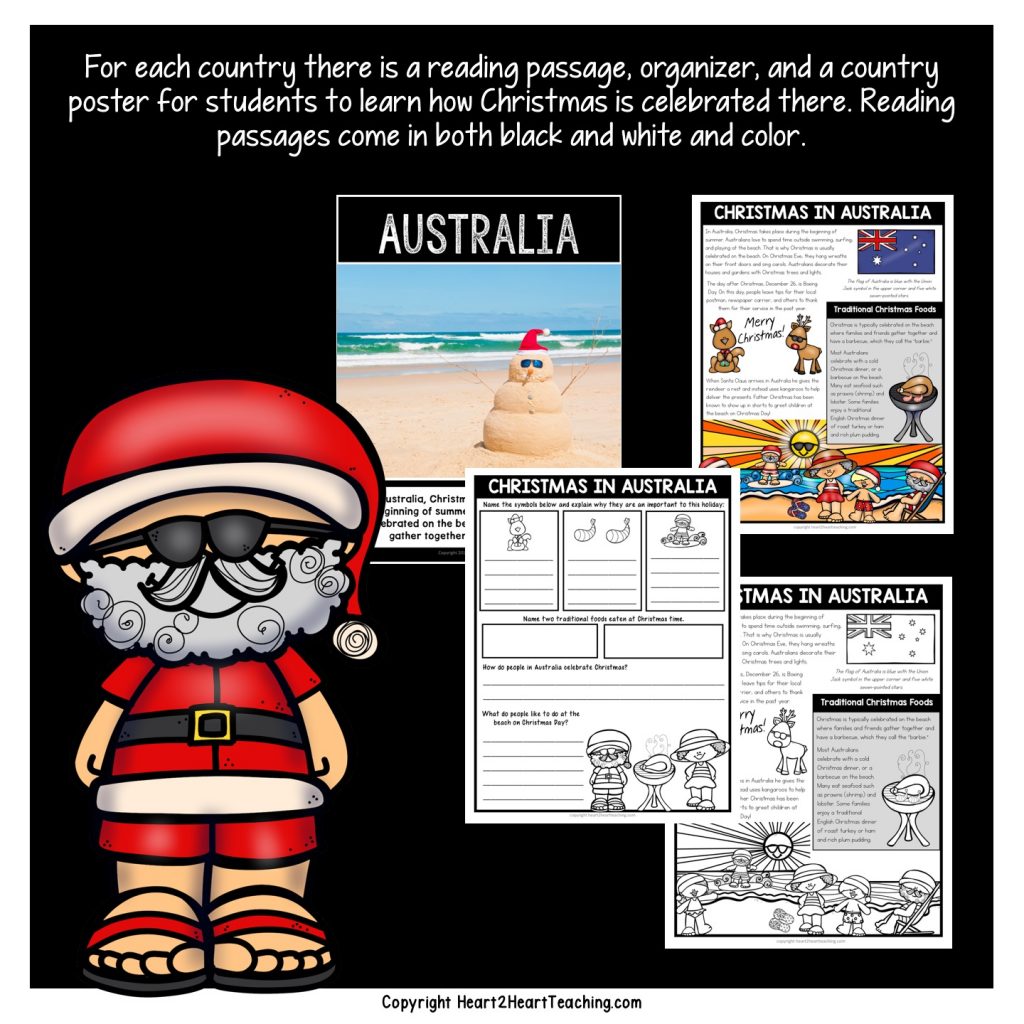
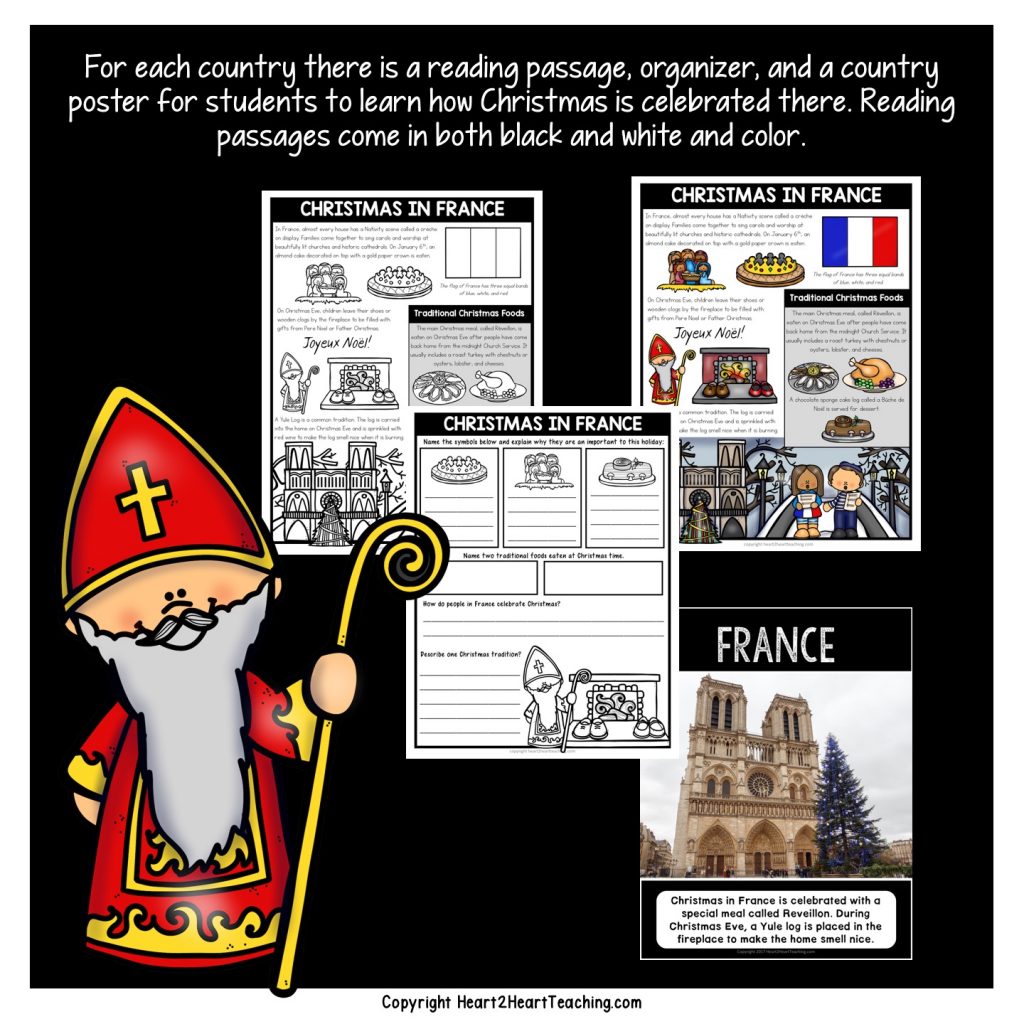
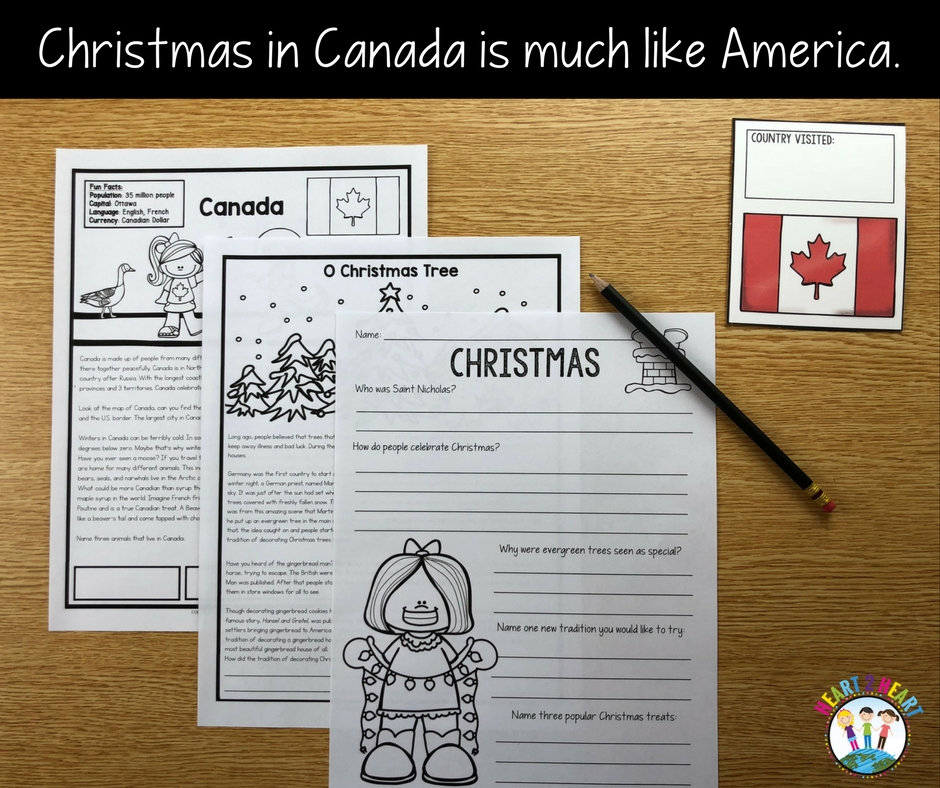
It’s not TOO late to learn how Christmas is celebrated around the world. This quick and FUN unit gives students a basic overview of how 8 countries around the world celebrate Christmas. With short passages and a variety of activities, this pack makes it easy to adapt for your needs.
This FUN Christmas Around the World BUNDLE includes reading passages, organizers, activities, country Christmas posters, and a 9-page Flip Book to learn about:
*Christmas in Australia
*Christmas in Canada
*Christmas in England
*Christmas in France
*Christmas in Germany
*Christmas in Italy
*Christmas in Mexico
*Christmas in Russia
For each country there is a reading passage, organizer, and a country poster for students to learn how Christmas is celebrated there. Reading passages come in both black and white and color. You might want to laminate the color ones so students can see how the traditional food and flag look like. Then have students color in their copy to match.
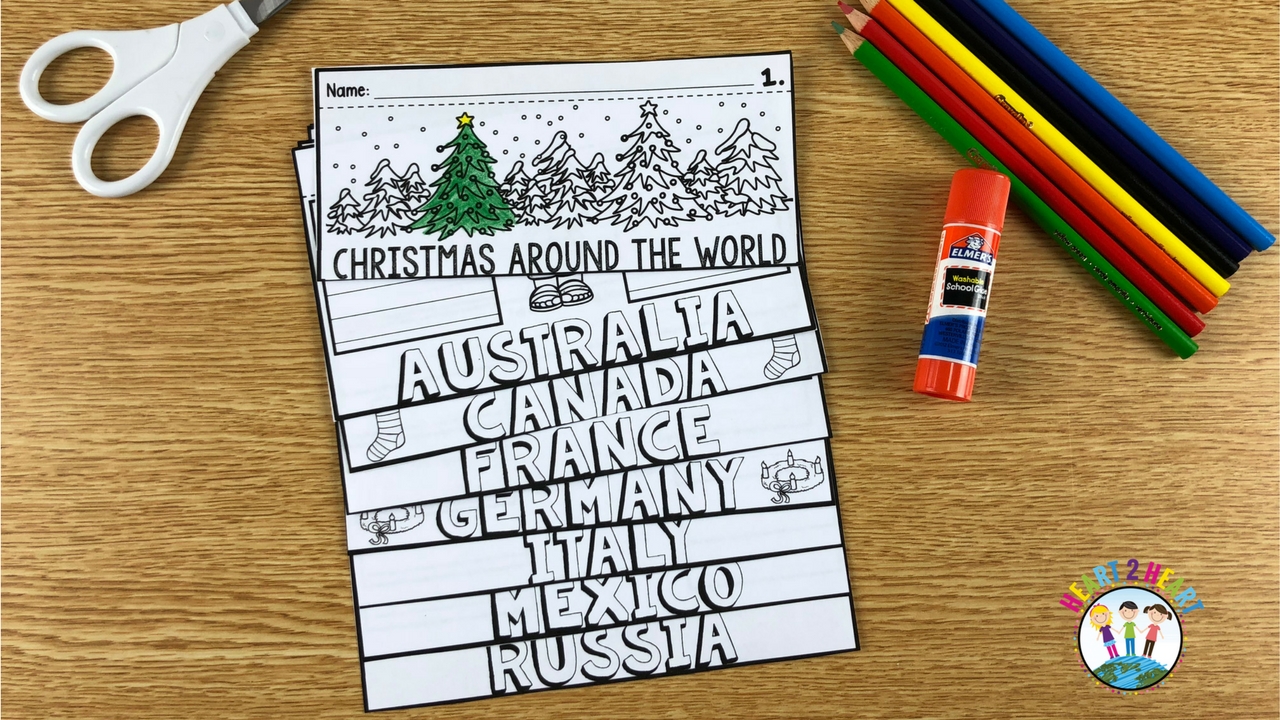
To tie it all together, have students complete the 9-page flip book where they will cut, color, and assemble it.
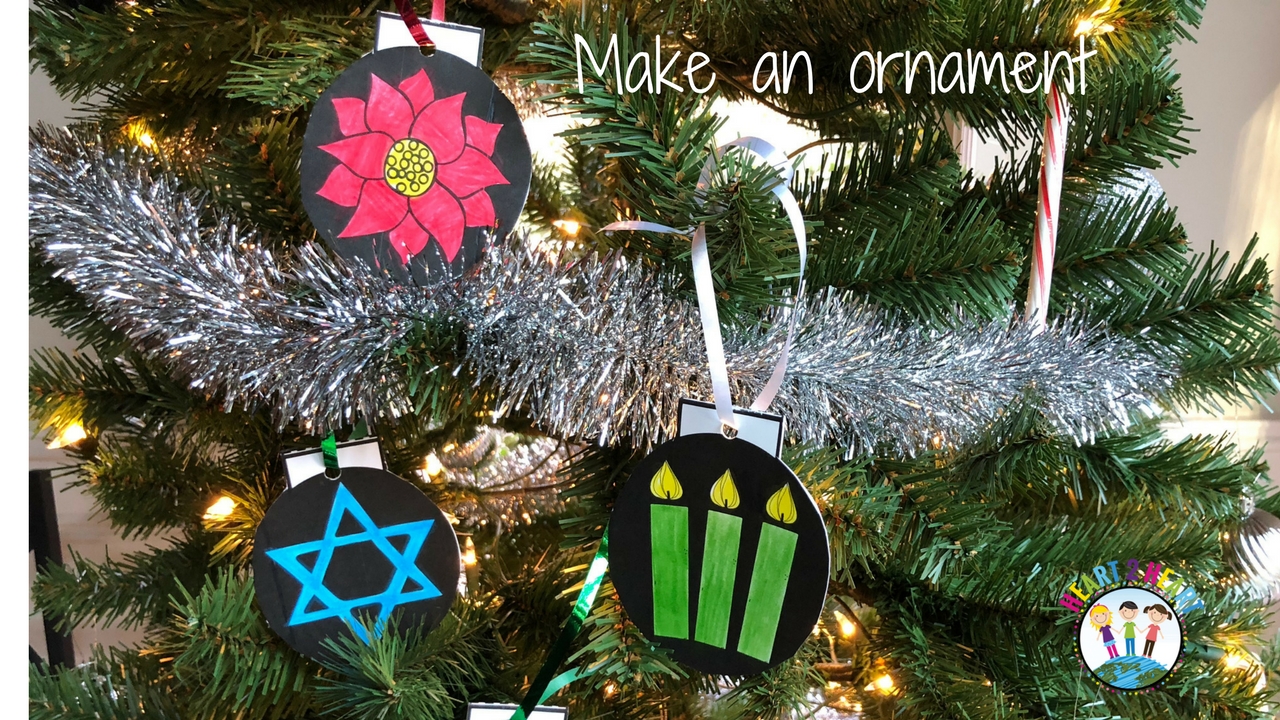
Plus a fun ornament craftivity is included in this unit.
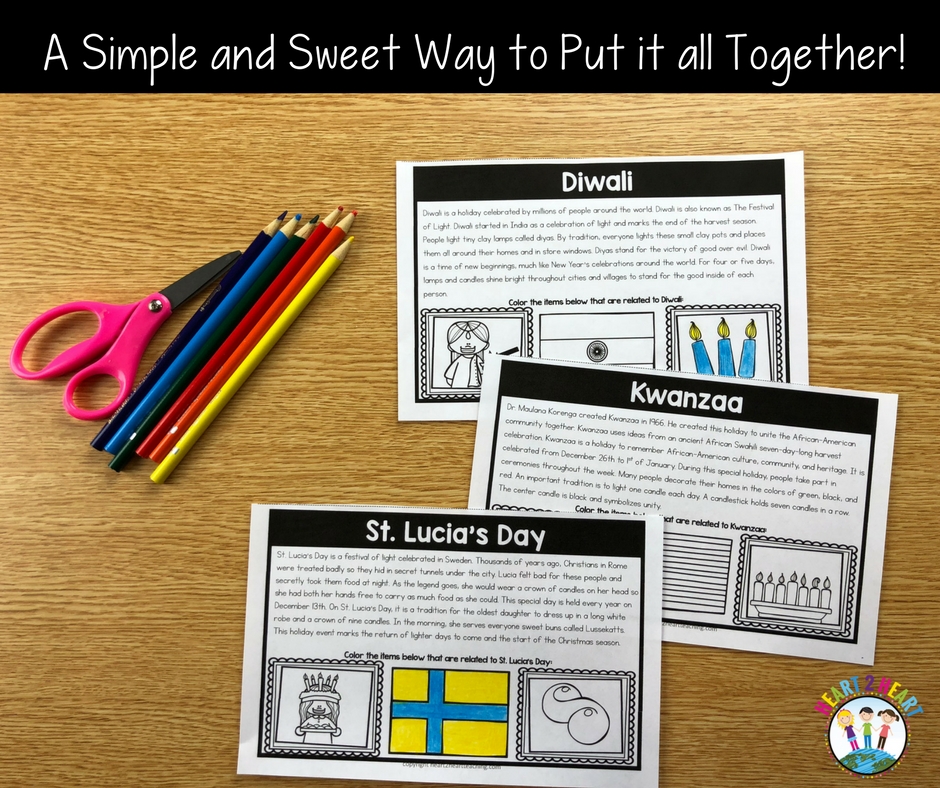
It’s that time of year again. Time for the hustle and bustle of the holiday season with never-ending to-do lists that place many demands on our time (and patience). December can be one of the most stressful months of the school year. This year make it alittle bit easier on yourself. Take your class a virtual field trip around the world to learn about several different holidays. As your class travels from place to place, they will explore different countries and learn about some important holidays. Time to get those passports ready for the trip of a lifetime. We will travel to several countries including Mexico, India, Sweden, Italy, Israel, and Canada! Bon Voyage! Students will love learning about different holidays are celebrated around the world.
The Holidays Around the World BUNDLE includes reading passages, lots of activities, and vocabulary posters for eight winter holidays:
Hanukkah
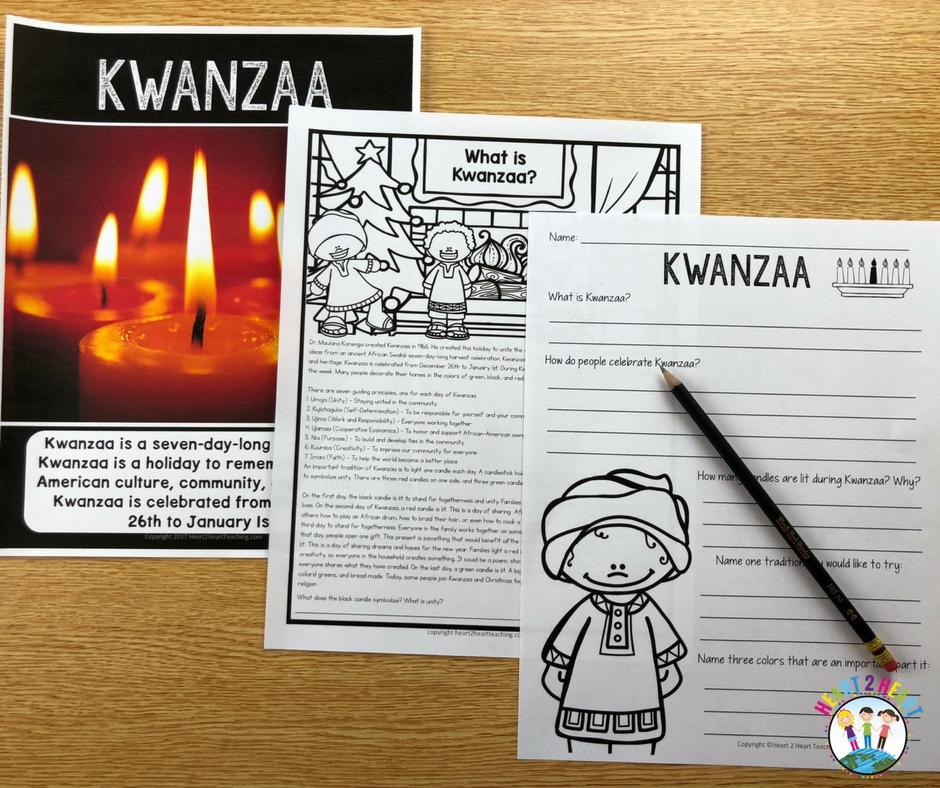
Kwanzaa
Las Posadas
Diwali
Christmas
St. Lucia’s Day
La Befana
Christmas in Canada
Each unit includes reading passages to learn all about that holiday and the country where it’s celebrated. There are lots of activities, organizers, and a flip book so students can show what they know. At the very end of the unit, students will create a Holidays Around the World Scrapbook!
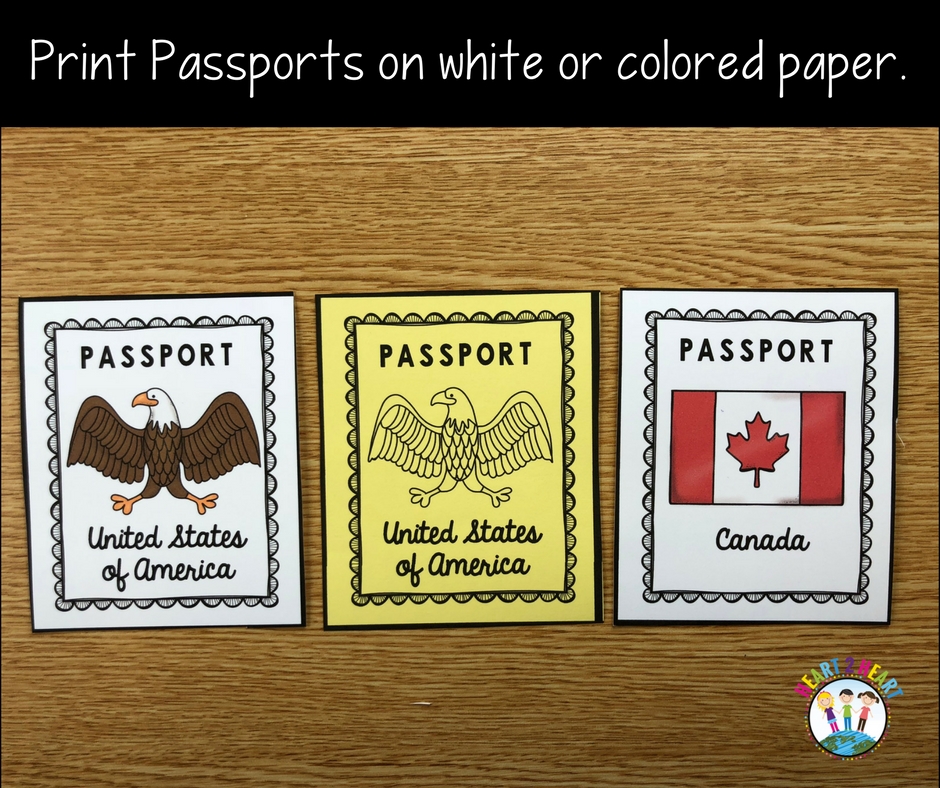
Create a Holiday Passport
Before we can begin our journey, we must get our travel papers in order. A fun activity is to create a passport for students. Passports can be printed in color or black and white. You might want to print just the covers in color and the inside pages in black and white. Only print the pages you need depending on which countries you are visiting. Each time they have visited a new country, have the students write in the name of the country and color the flag on that page of the passport. Stamp it with any ink pad stamp to make it look official.
First Stop: India
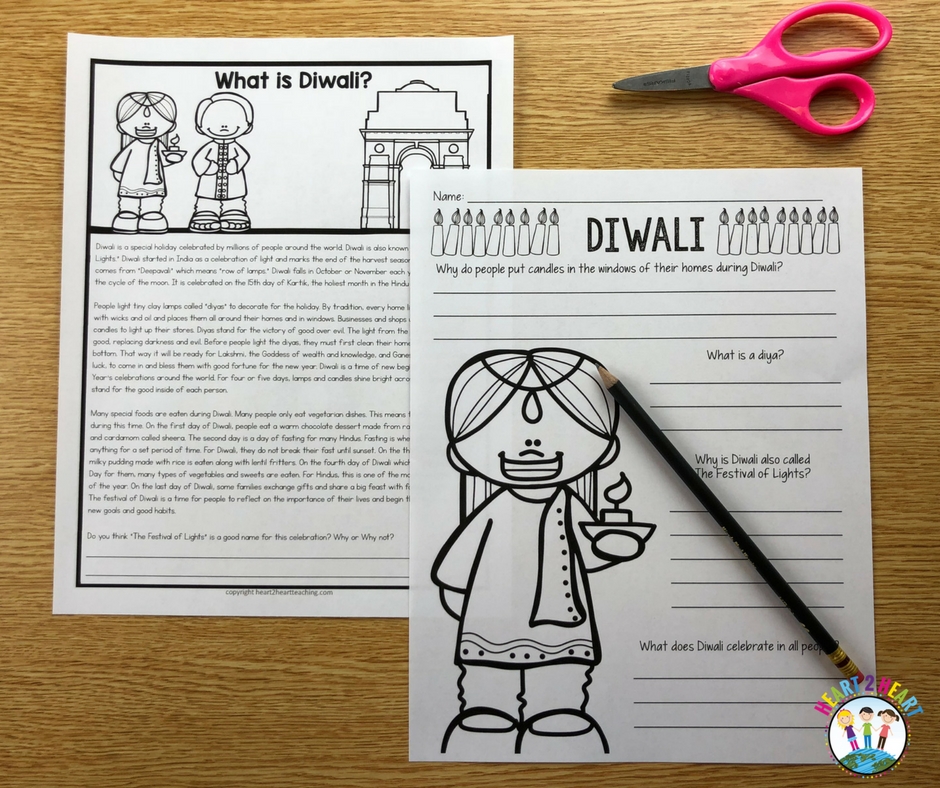
India is one of the oldest civilizations in the world. India is part of the continent of Asia. Indian people have great respect for animal life. Cows and monkeys are treated as very special animals. It is against the law to harm them. That is why you might see cows wandering through the streets during your visit. Diwali started in India as a celebration of light and marks the end of the harvest season. Diwali is a special holiday celebrated by millions of people around the world. Diwali is also known as “The Festival of Lights.”
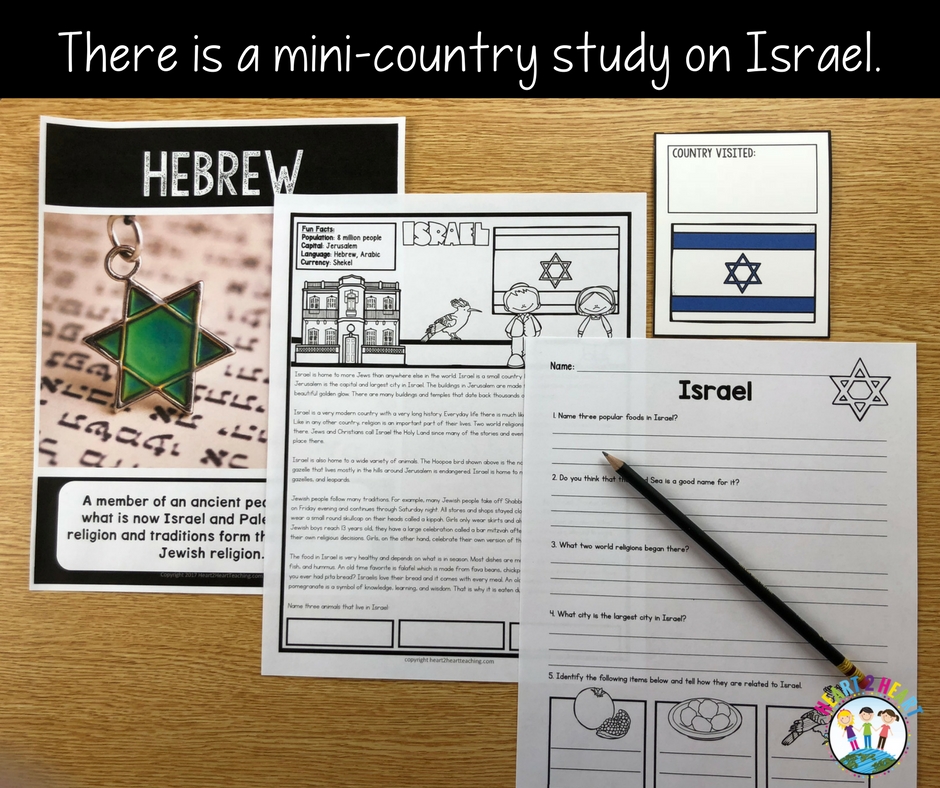
Next Stop: Israel
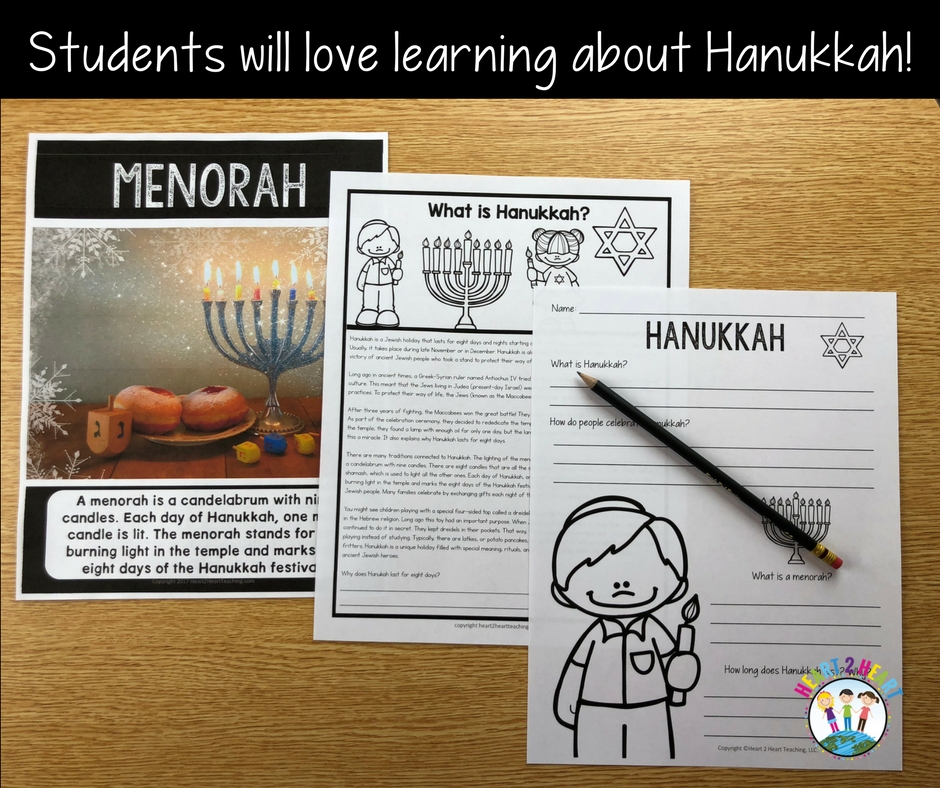
Israel is home to more Jews than anywhere else in the world. Israel is a small country located in the Middle East. Jerusalem is the capital and largest city in Israel. Everyday life there is much like it is the United States or Canada. While we are visiting Israel, we will learn about a very important holiday called Hanukkah. Hanukkah is a Jewish holiday that lasts for eight days and nights. Hanukkah is also called the “Festival of Lights.” It celebrates the victory of ancient Jewish people who took a stand to protect their way of life.
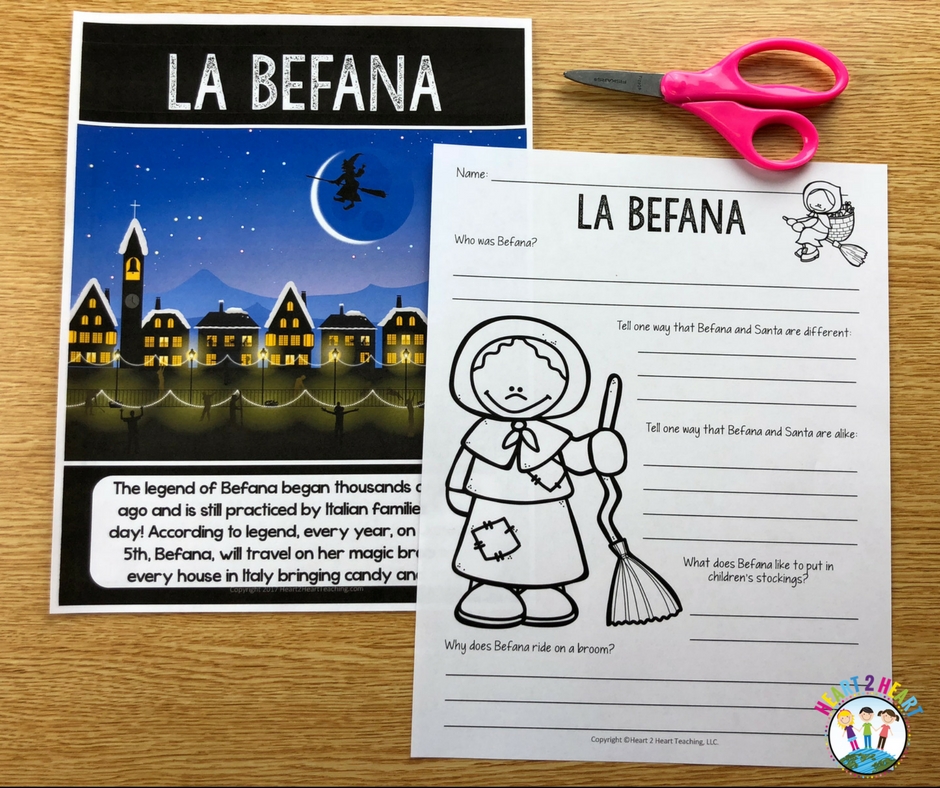
When in Italy, Do What the Italians Do!
Italy is a boot-shaped peninsula that sticks out into the Mediterranean Sea. A peninsula is a land that is surrounded by water on three sides. Italians love their family and their food! While in Italy, we’ll learn about the famous legend of La Befana. It began thousands of years ago and is still practiced by Italian children and families to this day!
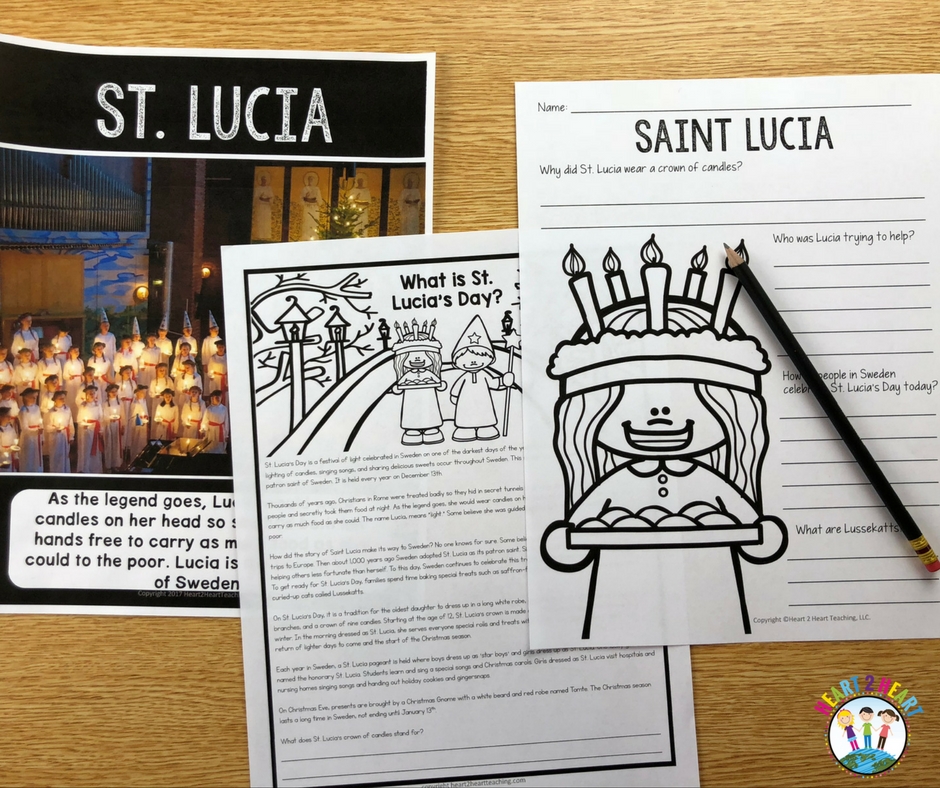
All About the Swedes
Sweden is a long, thin country in between Norway and Finland. On your travels to Sweden, you might see a moose. Moose is one of the most common animals there. You will also hear all about their patron saint named St. Lucia. St. Lucia’s Day is a festival of light celebrated in Sweden on one of the darkest days of the year. On this day, traditions such as the lighting of candles, singing songs, and sharing delicious sweets occur throughout Sweden.
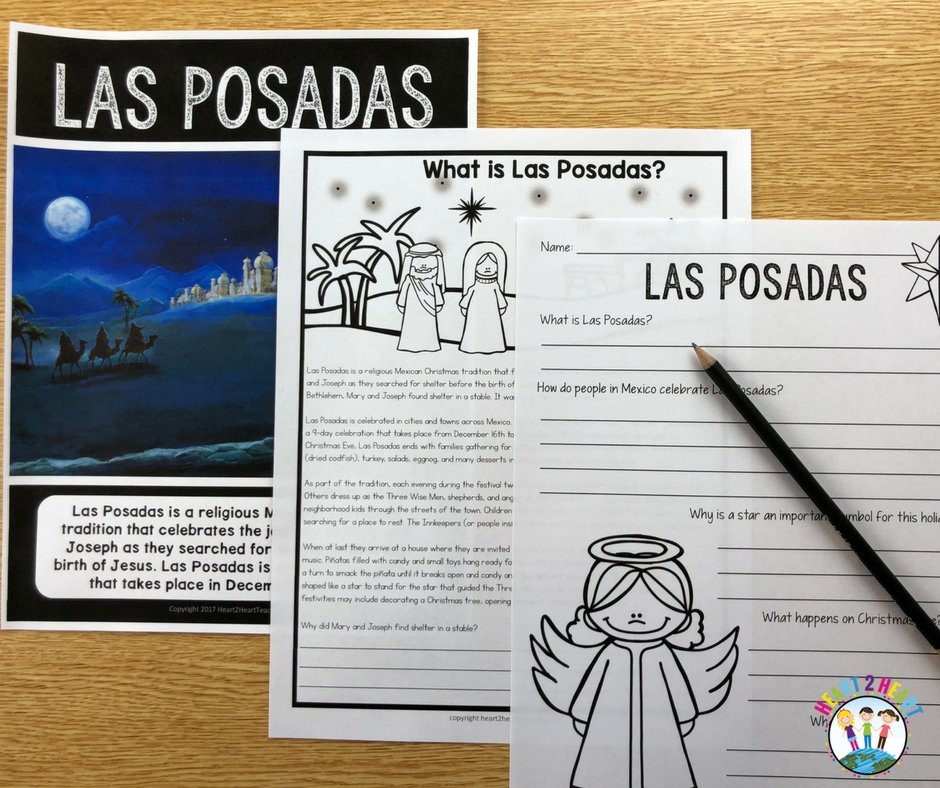
Gracias Por Mexico
Mexico is located south of the United States. Mexico has the most reptile species in the world. It is also home to many other animals including jaguars, green turtles, and the tiny volcano rabbit. Stay for a bit and take part in a special holiday called Las Posadas. Las Posadas is celebrated in cities and towns all across Mexico. The name “Las Posadas” means “the inns.” Las Posadas is a 9-day celebration that takes place from December 16th to December 24th (Christmas Eve) each year.
Have you ever heard of Saint Nicholas?
St. Nicholas was born around 280 AD in Lycia, located in present-day Turkey. St. Nick loved to give gifts to children, and before long he became known as the gift giver of Myra. He traveled all over helping people and giving presents to all. Much of the time, St. Nicholas handed out gifts at night to keep his identity a secret. Canadians love to say that Santa Claus lives in Canada since the North Pole is located there. People around the world celebrate Christmas in different ways and with many special traditions. For most, Christmas in Canada is much like it is in the United States.
Last Stop: The United States
Kwanzaa is a seven-day-long celebration. Kwanzaa is a holiday to remember African-American culture, community, and heritage. Kwanzaa is celebrated from December 26th to January 1st.
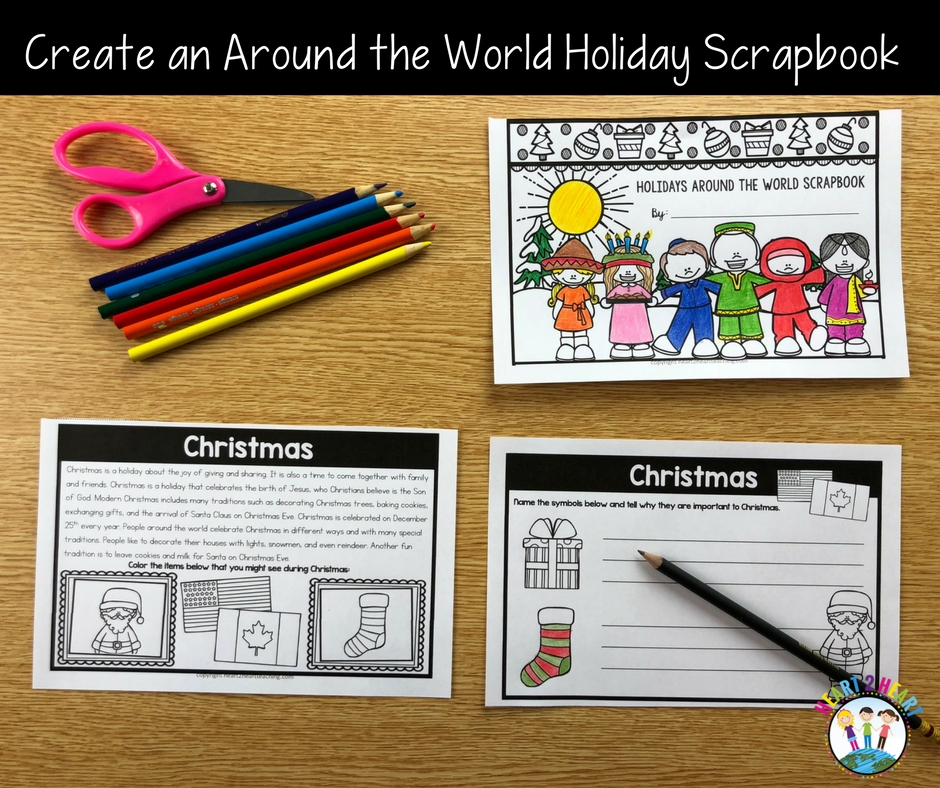
Putting it all Together: Let’s Create an Around the World Holiday Scrapbook
As a final project, students can make a Holidays Around the World Scrapbook! The booklet is designed as a mini-book to save on paper. They will read or review about each holiday and then tell about the symbols related to that holiday. There is a cover for students to decorate. Then attach all the pages to make the booklet. You might want to use ribbon or twine to attach the pages of the booklet to make it look festive.
There are lots of activities for each holiday in this pack:
Symbols of the Holiday
Spotlight on Vocabulary
Vocabulary flip flaps
Cool Organizers
Fact or Fiction Activity
5-page Flip Book for each Holiday
Extension Activities: Add on a Holiday Writing Center
A fun holiday writing center activity is to print out the postcard templates (back to back) on cardstock. I’ve included twenty photo options to use for the front side! Just print in black and white and the photos will still look fabulous! There are also a holiday scene in black and white for them to color if you prefer. Then have students write a note to a family member or a friend telling what they did during that holiday or what they experienced and learned while visiting that country. I’ve also included “A Letter to Santa” template and example.
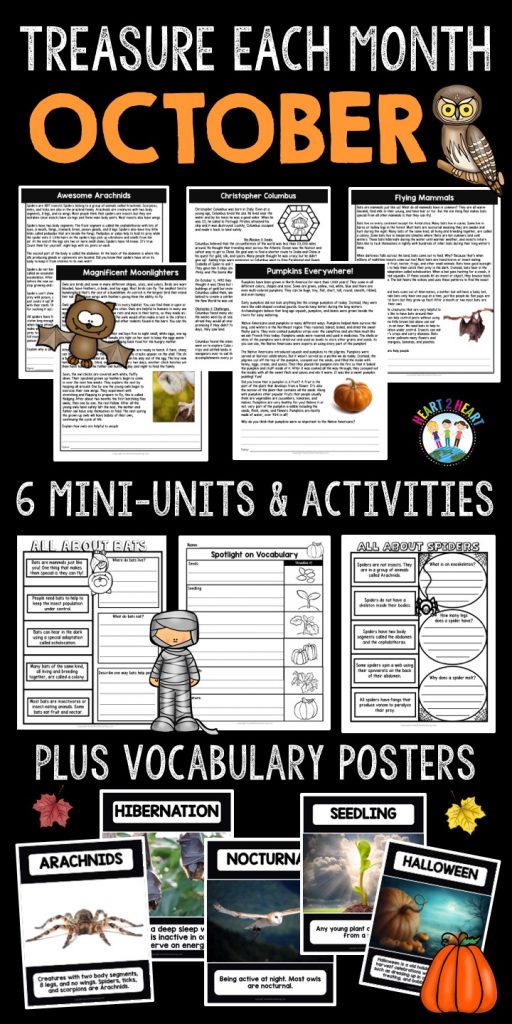
Hooray for Fall! Celebrate October with this awesome bundle with passages, activities, and vocabulary for the month. Students will love the fun activities and you will love the easy no prep planning! Just print-n-teach! These six fall-themed units were designed to complement your October curriculum in social studies and science.
This bundle is made up of 6 mini-units to give you a variety of activities for the month of October.
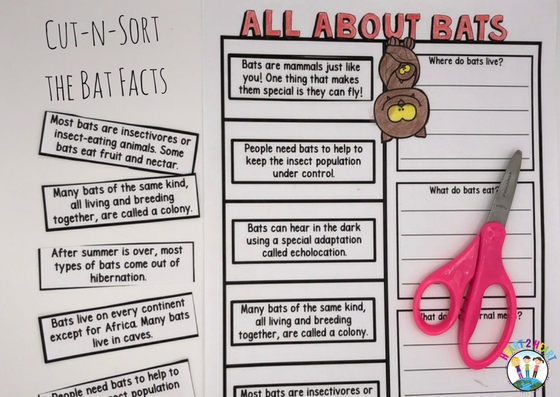
Students love learning that bats are mammals just like us! But the one thing that makes bats special from all other mammals is that they can fly! After reading about these flying mammals, students can complete the All About Bats Organizer to show what they know.
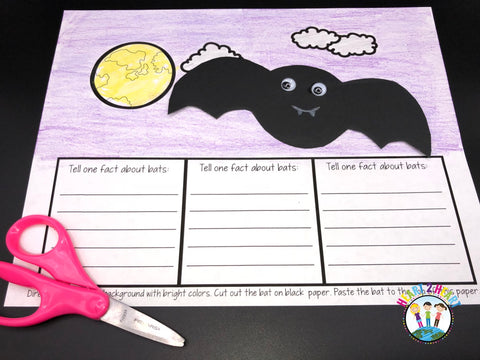
What fun it is to write a Bat-Shaped Poem. Have students write a descriptive poem about bats. Complete their final drafts on the bats with or without lines. We have provided a sample bat poem. Hang the bats on a bulletin board or flying around the classroom. Hint: use fishing line to hang them from the ceiling to look like they are flying.
All About Bats Organizer a Cut-n-Sort the Facts Activity
Read the 10 facts about bats.
Using the passage as a reference to decide which 5 facts are TRUE.
Cut and paste the facts on the left side of the organizer.
Answer the three questions on the right side of the organizer.
Let’s talk vocabulary
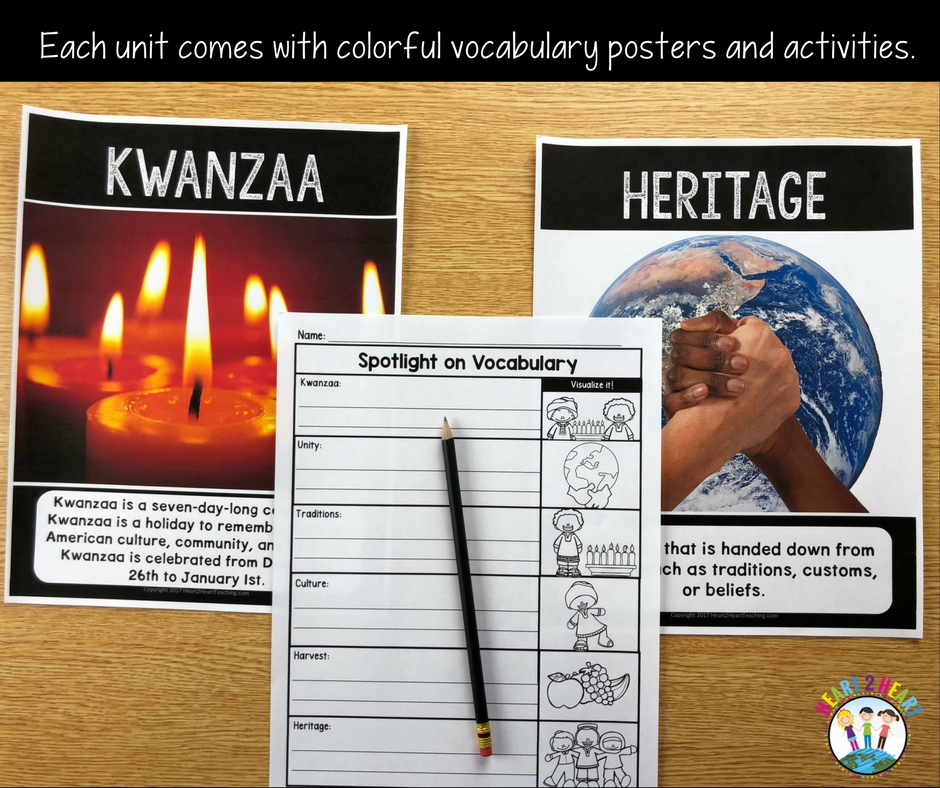
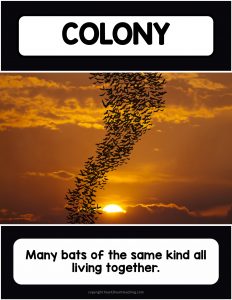
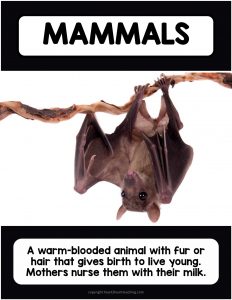
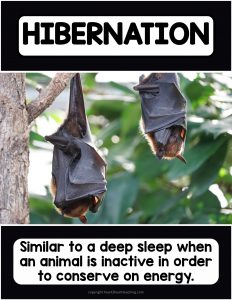
Vocabulary is an important part of any unit. Students will learn more and retain the new information better if they understand the vocabulary related to the topic. That’s why vocabulary posters and activities are included in most of our units. Plus they make a colorful bulletin board display, too!
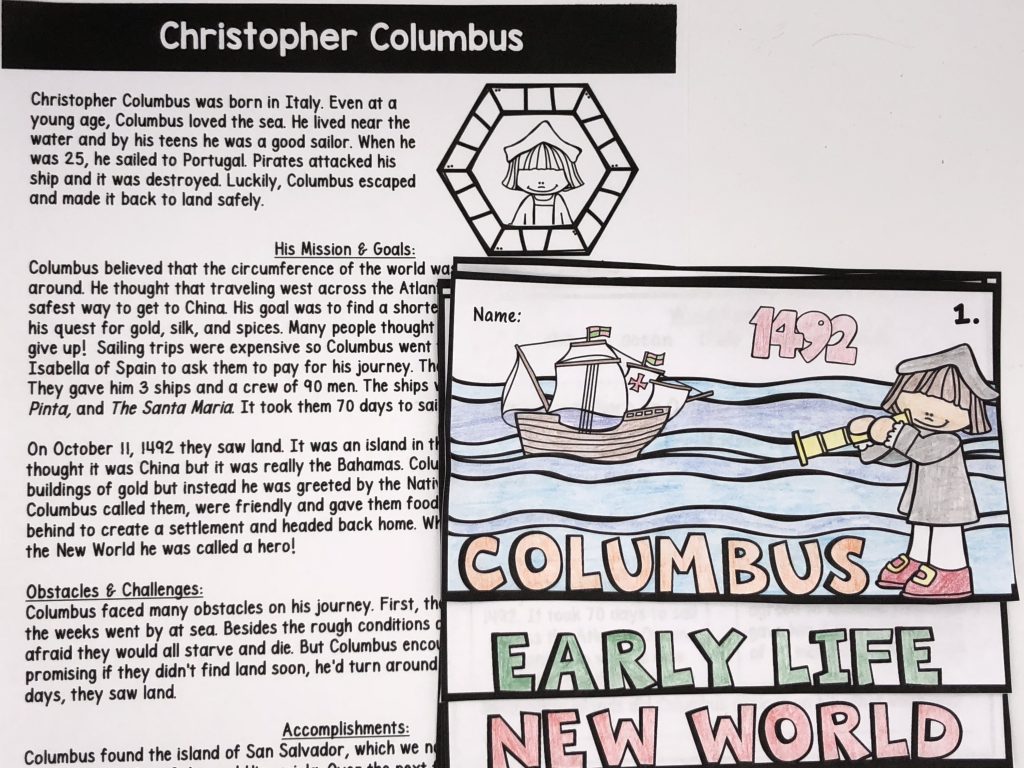
Celebreate Columbus Day
Columbus found the island of San Salvador, which we now call the Bahamas. He also went on to explore Cuba and Hispaniola. Over the next few years, he made three more trips and settled lands in both Central and South America. He was one of the best navigators to sail the seas during that time. We still celebrate his accomplishments every year on Columbus Day!
After reading about this famous explorer, students can use the passages answer the constructed response questions (CRQ’s) and complete the flip book.
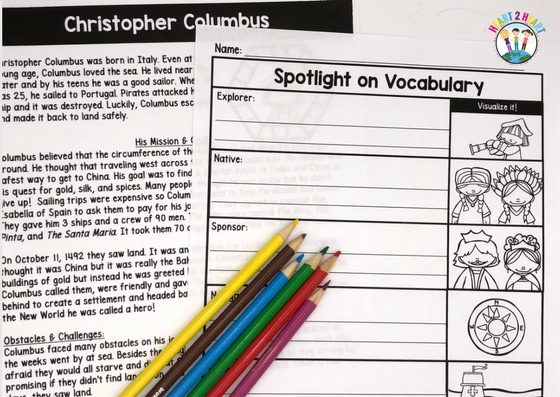
Shine a Spotlight on Vocabulary
Print out the vocabulary posters in color or black and white. Post them on a bulletin board or around the classroom. Make copies of the Spotlight on Vocabulary. Have students write the definition or to write a sentence using the word.
There are two different versions included:
One has an empty box for students to draw their own illustrations related to the word.
One has an image for them to color and visualize.
Those Creepy Crawly Spiders
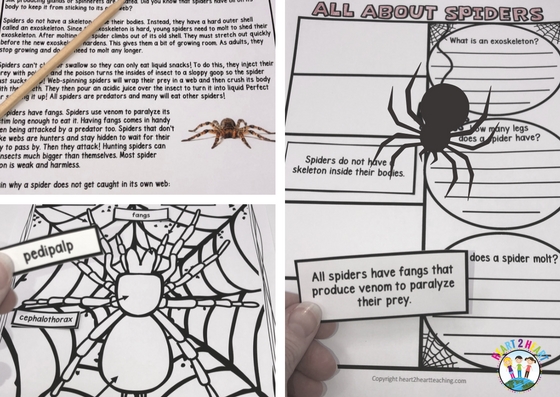
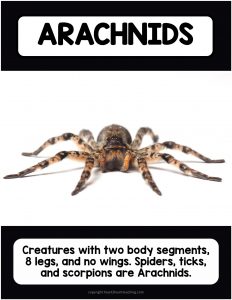
I always love the reaction I get from my class when I tell them that Spiders are NOT insects! Most people think that spiders are insects but they are mistaken since insects have six legs and three main body parts.
After reading the passage about these amazing creatures, we have included two hands-on activities for your class to do. The first one is a new twist on an old cut-n-sort the facts activity. In this activity, students must read the 10 statements to decide if it’s a fact or an opinion. Students can label the parts of a spider diagram by cutting out the labels and glue them in the correct places to label the parts of a spider.
Check out these cool vocabulary posters to complement your spider unit!
Amazing Night Owls
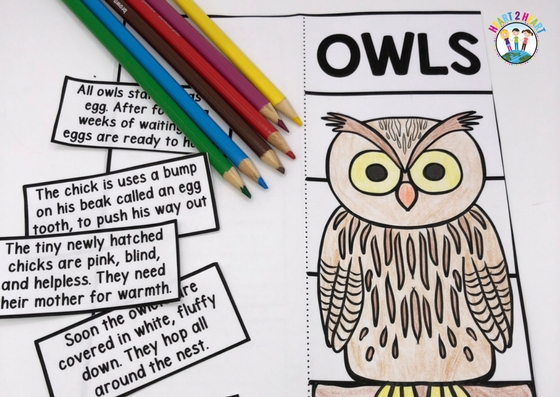
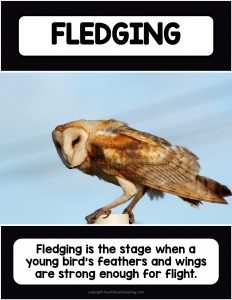
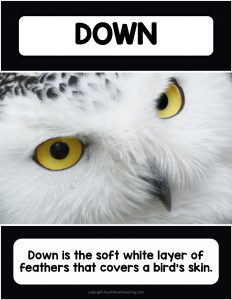
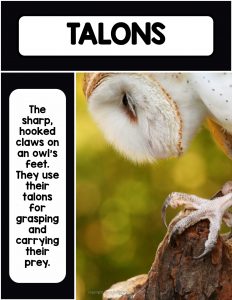
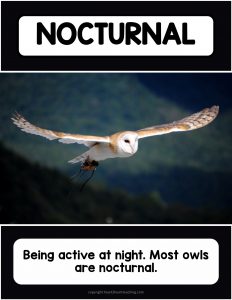
Owls are birds and come in many different shapes, sizes, and colors. Birds are warm-blooded, have feathers, a beak, and lay eggs. Most birds can fly. Owls are nocturnal creatures.
After reading about these amazing birds, students build an Owl Mini-Booklet by:
Write three facts about owls on inside (page 2) of the mini-booklet.
Color the front cover and cut out the booklet.
Cut out the 5 stages of the life cycle of an owl.
Glue the stages in the correct order on the inside of the mini-booklet.
Fold in half to create a mini-booklet.
Then they can use the passages to complete the Owl Life Cycle Diagram. Using the passage or owl mini-booklet as a reference have students write in steps of an owl’s life cycle. One of my favorite bulletin boards to create every year for our study on owls.
Make a Bulletin Board in a Snap!
All About Pumpkins
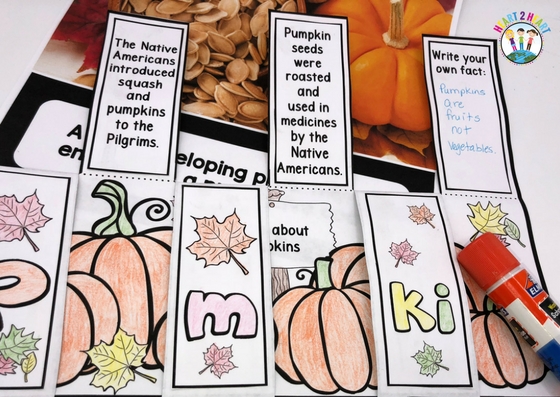
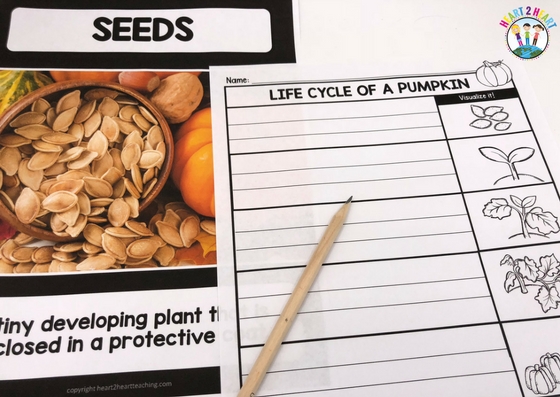
Did you know that pumpkins have been grown in North America for more than 1,000 years? They come in all different colors, shapes and sizes. Some are green, yellow, red, white, blue and there are even multi-colored pumpkins. They can be huge, tiny, flat, short, tall, round, smooth, ribbed, and even bumpy. We use some of these adjectives to describe our pumpkins during our pumpkin science unit. This mini-unit has three interactive activities to accompany your unit. Most of all, students will love creating this pumpkin booklet.
Happy Halloween
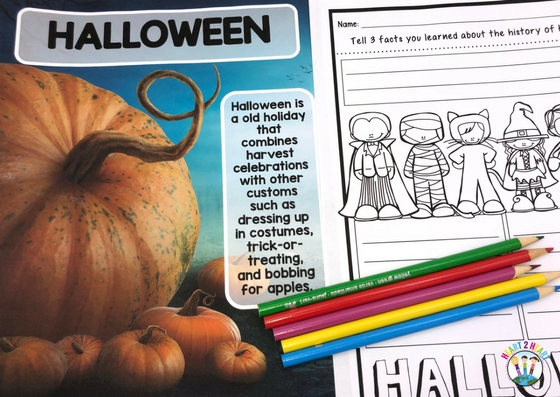
Last (of the month) but not least is a mini-unit to learn about the history of Halloween. Then students will Roll and Write a Halloween Story. Three paper dice are included in this unit as well as story template for the beginning, middle, and end. A rubric is included for grading purposes.
We hope you Treasure Each Month as much as we do! Check out every month for a NEW Monthly Activity Bundle!
It’s official. . .winter is here! Even though it made be freezing outside, you can still enjoy this season. Just bring the fun inside the classroom by learning about winter animals such as penguins, polar bears, and caribou. Students will love learning about these cool creatures! One of the best ways to introduce a new unit is with a fun and creative anticipatory set.
What is an anticipatory set and why does it matter?
The anticipatory set refers to an activity to focus the attention of the class to get ready for the lesson that will follow. It is also known as the hook, lead, or set induction. At the beginning of a unit or lesson, it’s important to have students complete a short activity to pique their interest and build prior knowledge.
To make your anticipatory set have the desired impact it needs to:
Be related to the topic, theme, or lesson of the day.
It can build off of a previous lesson, skill, or strategy if it’s related or connected to the current lesson.
The message, question, or strategy needs to reveal itself or reappear again in the lesson. That way students make the connection, almost like a light bulb going on.
It should help the student get ready for the upcoming lesson by leading directly into the lesson.
For our sports fans, think of it like a PRE-game show before the big game.
While this is all super creative, it also takes a ton of time to plan these activities. So let’s take a look at 5 simple and easy ones that you can use over and over for any subject area.
RULE #1 – KEEP IT EASY:
KEEP IT VISUAL: Use something that students can visualize that gets them interested in the topic such as a short video, a photograph, or just having them close their eyes and visualize what something looks like. One of my favorite activities is taking students outside to lay down on the grass, look up at the sky, and sketch what they see as a way to introduce a unit about clouds or weather.
KEEP IT FACTUAL: Write 3-8 statements or questions on the whiteboard for students to predict the answers (T/F) at the beginning of a unit. Another option is to have one question or statement each day like a “Question of the Day” method. To save paper have students write them in their notebooks each day and then answer them. These questions or statements should be connected to the essential questions or standards so then it serves as an informal assessment too.
RULE #2 – TO KEEP IT FUN!
KEEP IT MYSTERIOUS: Everyone loves a good mystery, and this method is sure to surprise. Place an artifact, photograph, vocabulary word, riddle, or other item related to the lesson in a box or large envelope. Introduce the mystery box at the beginning of class. Give the students a few hints or clues about what it is being careful not to give away too much information. You want to give them just enough information to make them curious. After the lesson is complete, come back together as a class to figure out and reveal the mystery item.
There are several ways to reveal the mystery item at the end of the lesson:
hold a whole group discussion or vote on it
review the clues or hints given at the beginning of class before making their predictions
create a concept map on the board to review and relate to that day’s lesson
have students write down their prediction of what it could be and why in their notebooks. Then share them.
play the game “10 Questions” (like 20 questions) where students ask questions to help them figure it out. However, you decide to solve the mystery this technique is guaranteed to keep it fun!
KEEP IT SENSORY: Using the five senses is a unique strategy that students will love. With a little bit of planning, this is sure to captivate student’s interests. The key here is to think outside the box to figure out what you can use as a sensory stimulus that is related to the lesson at hand. Think about unique smells, tastes, textures, sights, or sounds, that are linked to this lesson. For example, for a unit about dolphins have students listen to the unique sounds of dolphins communicating with each other or of ocean water crashing against the shore. For my lesson on daily life in ancient Greece, I brought in cucumber slices, figs, and pita bread with olive oil for the students to taste. (Remember to get parent permission and check for allergies prior to tasting parties.
RULE #3 – KEEP IT MEANINGFUL!
KEEP IT REAL: Present a real problem in the world, your community, or school. Ask students to brainstorm how to solve the problem. This method must cross over to connect with the lesson at hand. To kick off our ecosystems unit, for example, I showed the students real facts about how many pounds of paper our school uses on average every year and how many milk cartons students throw away at lunch every year. I told them how this was a huge problem and had them brainstorm in their notebooks how can we help save the Earth. As we learned more and more about protecting our environment, we came back to these stats and added to their brainstorming list. At the end of the unit, we discussed one service project we could put into place in our school to cut down on waste. Students were motivated as they researched solutions, and came up with a plan of action to present to our school’s administrators.
Having an anticipatory set has the added bonus of making students wonder you will do next? Students will love that whatever weird thing you do at the start of class ends up meaning something later on in the lesson. Research has proven that using an anticipatory set helps students learn better and retain the information.
Let’s see it in action with a unit on penguins
KEEP IT VISUAL – Show a short video. (Imagine penguins waddling along the icy ground. Usually, students laugh because penguins are funny!)
Show a short video, here’s a couple just for kids:
KEEP IT FACTUAL – Introduce the unit with the Anticipatory Set with T/F questions to pique student’s interest and build background knowledge. Have students predict the answer to several True/False statements that are based on the essential questions or standards for that unit. After each lesson or at the end of the unit have students check and correct their answers. I have students draw a happy face on any predictions they guessed correctly.
Here are some sample True/False statements to use for a unit on penguins:
Penguins are birds that cannot fly!
Penguins can hold their breath and stay underwater for up to 15 minutes.
Penguins are cold-blooded. That’s why they can swim in the icy water.
A penguin’s black and white coloring is a form of camouflage to protect them from predators.
The Emperor Penguins lives in Africa.
Penguins spend more than half their time swimming in the water!
Each day after the lesson, as a class we come back to check and correct their answers. This is a great way to start and close at the end of the lesson each day as it serves as a quick evaluation of their learning.
KEEP IT MYSTERIOUS – Place an item to represent Antarctica (habitat) in a large envelope.
a photograph of Antarctica
a large piece of ice
a map
a thermometer
a riddle (I’m black and white and I live in a very cool desert! (Antarctica is classified as a desert because so little moisture falls from the sky. The continent receives an average of 2 inches of precipitation in the form of snow each year.)
a fact about Antarctica “It is coldest place on Earth!” “Antarctica is the world largest reservoir of fresh water.”
Give the students are few hints about what is inside the envelope. After the lesson, come back together as a class to see if students can figure out what’s inside the mystery envelope or box.
KEEP IT SENSORY – Have students place their hands in a bucket of ice water for a few seconds and write down in their notebooks how it feels to them. Encourage them to use descriptive adjectives that are colorful in place of cold such as frigid, icy, wintry, chilly, frosty, and freezing. Have them describe or draw a picture of what type of habitat this might represent. Another option is to go outside to see the snow. Don’t live in the Northeast, no problem, you can make your own sensory snow.
SENSORY SNOW RECIPE
2 large boxes baking soda
Up to 1/2 a bottle of hand lotion OR hair conditioner
Blue or silver glitter
Directions: This awesome recipe only takes a few minutes to make. Slowly combine the baking soda and lotion/hair conditioner in a large storage container and mix well. Continue to add more lotion and mix until the desired consistency is reached. You want the snow to be moist and moldable but not too wet. The snow will also be COLD. How cool is that?
KEEP IT REAL – Explain to students that it is important to learn about animals because we share the Earth with them and depend on each other for survival. Describe a real situation where animals are endangered for a variety of reasons (due to loss of habitat, poaching, global warming) and explore ways that they can help. Another option is to read a book about penguins to get students thinking and making connections between animals that you have studied earlier in the year. How are they alike? How are they different? How is our world changing? How does our changing world affect animals?
When most people think of penguins, they think about their funny waddle. But their waddle isn’t the only thing that makes them unique! Their black and white colorings, called countershading, often makes them look like they are dressed up in a tuxedo. Countershading is a form of camouflage that helps protect penguins when they are swimming in the water. Did you know that penguins are birds that cannot fly? Birds lay eggs, have feathers, and have wings and so do penguins. However, penguins’ wings are more like flippers that help them glide quickly through the water. The average swimming speed is 15 mph, which is faster than the fastest man can run! Penguins spend more than half of their time in the icy cold waters. Maybe that’s why they are such great swimmers!
If you’re interested in a teacher-tested, student-approved unit on penguins that’s ready to print and teach with an anticipatory set included—look no further! Be sure to sign up for our newsletter and get a FREE Penguins Mini-Pack!
The way that a classroom is organized speaks volumes about a
teacher. There are some simple tips and tricks that can help you transform your
organization skills so that you can mainly focus on the teaching and learning
process. Read on to learn about five ways you can organize your classroom with these methods that really work!
1. Create Group
Stations
Group stations are a great way to organize your room. Create
three groups of eight, by pushing desks together and facing one another. At the
end of each group, place a clear bin that sits on wheels (so it’s easy to
manipulate) and that has at least two drawers. Fill the drawers with crayons,
scissors, glue sticks, paper, and early finisher worksheets (or whatever you
want!). It limits movement in the classroom and is quick and easy for students
to access. Plus, you don’t have to be the one doing any passing out of papers. You can label each drawer with the supplies inside to keep them organized by color. This 10 drawer rolling container sells for about $35 but it’s well worth the price to use it year after year. They also come in a variety of different sizes so if you have four reading groups, you could buy one that only has 4 drawers or 6 drawers. I have three of these in my classroom:
one for “rolling” group centers
one for guided reading groups supplies and lesson materials
and another one to organize each content area’s lessons for the week. I place any printables, lesson materials, and instructions in the drawer for that particular subject
2. Utilize Binders
Binders are a must when it comes to organization in a
classroom. Stock up on them! You can keep a binder as a communication log
between yourself and parents; filling it with emails and phone call documentation.
You can fill a binder with clear folders and place each spelling list inside,
in order by unit for easy access and reference. You can even place your
teaching units in them and organize all worksheets in the order that you use
them. Binders are also portable so you can grab them and go right to the copy
room to make copies instead of digging through files!
3. Structure Your
Library
Consider organizing your book shelves by genre. You can
either designate certain shelves as the fiction, non-fiction, biography (etc.)
shelf; or you can place your books in colored baskets to represent each genre.
It will discourage students from pulling books out of their spot and putting
them back in the incorrect spot. You can also place a colored dot on the back
of each book so students are aware if the book is appropriate for their
specific reading level. If you use an accelerated reading program at your school, use the same color dots to keep it consistent.
4. Designate Jobs
One of the biggest problems teachers face in their classroom
isn’t always doing the organizing, but actually maintaining the organization.
With on average, 25 students in your class; things can get messy pretty
quickly! So, be sure that each student has a daily job to do. Students can be
responsible for fixing the book shelves, inspecting desks, washing the board,
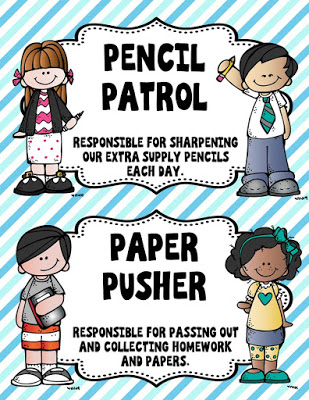
straightening centers, and even cleaning up the recess toys. Having students help keep the room organized gives them a feeling of responsibility and pride. When I find myself doing a simple task, over and over, like sharpening extra pencils each morning, I figure out a way to make it a task or job that a student could help out our classroom community. Some jobs that I have used in my second grade classroom are:
Pencil Patrol – responsible for sharpening the extra pencils each morning
Budding Botanist – responsible for watering the plants twice a week
Paper Pusher – responsible for passing out papers
IT Assistant – responsible for turning on/off the classroom computers each day
Desk Detective – responsible for checking student desks to make sure they all tidy
Recycling Manager – responsible for collecting and delivering any recyclable materials
Check out the whole classroom job pack available for only $3.50 by clicking on the image!
5. Create a Student
Center
A student center is easy to create and promotes
independence. Place a container of pencils near the sharpener for students to
use any time. You can also place a tape dispenser, white out, sticky notes, a
hole puncher, stapler, and even erasers in a bin to discourage them from asking
you and simply helping themselves but only at designated times during the day. All items are to remain at the station so
they don’t get misplaced. An organized room is an effective classroom community where everyone does their part to help out! Consider these five tips and tricks to get your classroom into tip top shape for the upcoming school year!
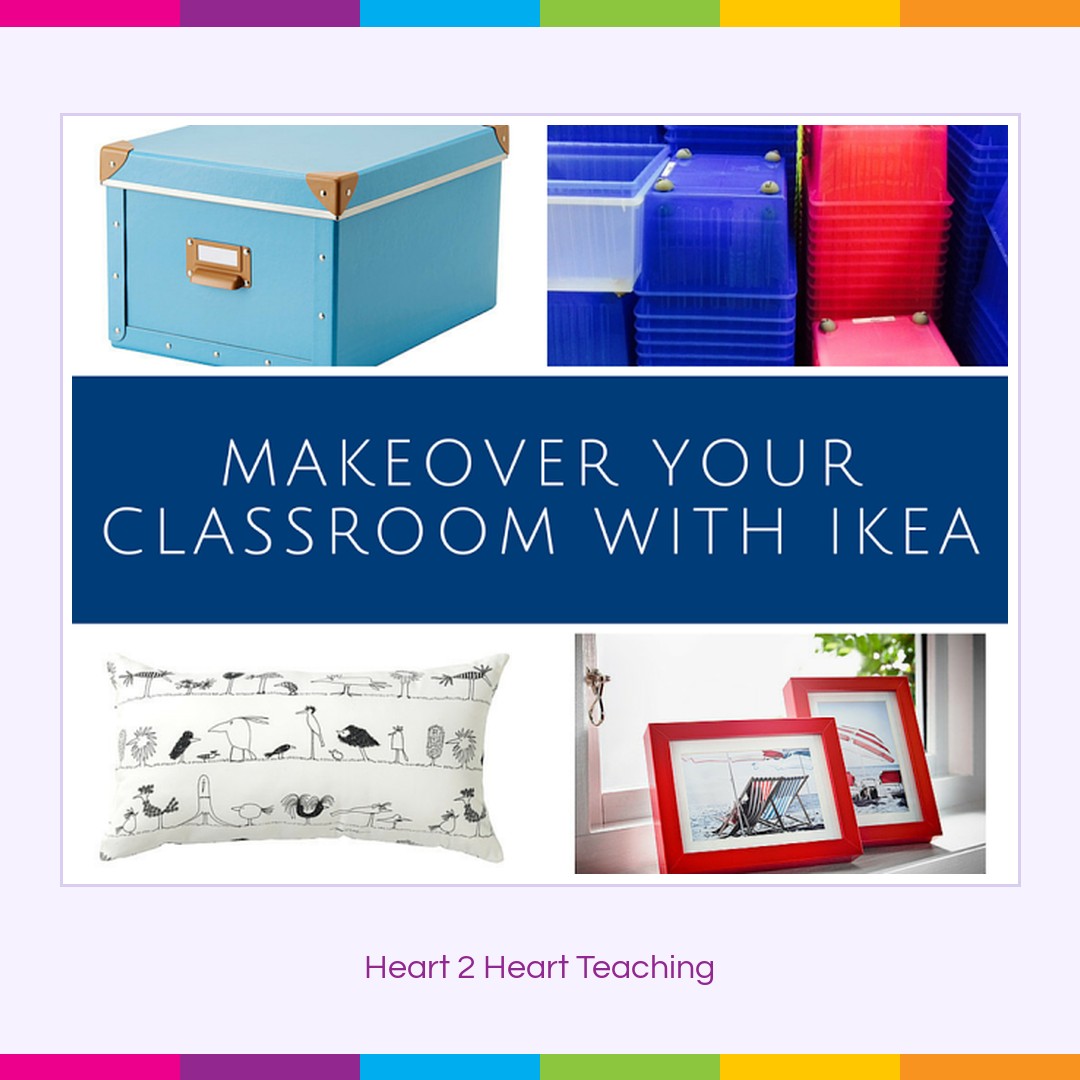
Ikea is one of those places that people, including myself, just love to go to! In fact, last Saturday my hubby and I went there for date night! We always go on interesting date nights. But we had a blast at Ikea! I was on a mission to go there and find some steals and deals for my classroom makeover! I love setting up my classroom each summer with a few new touches! It’s a chance to freshen the room with a new style or theme and rekindle my spirit for a new year!
Believe it or not, Ikea is the ideal place to dress up and organize your classroom with a few new stylish items all for under $5! Here’s my top 7 favorite picks and how I plan to use them this year!
My top pick is picture frames for $1.99! Ikea has tons of sizes and vibrant colors to choose from. They even have an 8.5 x 11 size! Which is awesome! I have created a set a inspirational quotes from famous historical people and favorite children’s book authors that I plan to hang around the classroom! I am going to use all red frames because it matches my classroom colors but you could do a rainbow of colors for a neat variation.
Who doesn’t love pillows? Especially the young ones. The pillows come in a variety of colors and styles some starting as low as $2.99! Last year, I bought 10 new red ones but this year, Ikea has these fancy lime colored ones that I think gives my reading area a springy new look! To keep them clean, I simply purchase covers from Ikea that I take home occassionally to wash. I also spray the pillows with Lysol or Frebreeze and place them inside a large trash bag to disinfect them.
These small boxes so adorable and practical at the same time. They come in tons of cool colors and several sizes all for only $3.99! I use the little ones that are slightly bigger than a shoe box to store supplies, or materials for a center, or even toys for indoor recess times. There’s a label on the front for organizational help, which I admit is my greatest need. Plus they stack and fit perfect in all those little places like about the cupboards, on a book shelf, or even under your desk. Place they look great too!
Bins, bins, and more bins! They have every color, size, shape, with lids, without lids, stackables, with handles, etc. Prices start $1.49 and go up from there. But if you need a bin you can surely find it here! I use bins for everything!
To hold books at the library area
To carry supplies, books, recess stuff, etc.
To hold and carry extra supplies for reading groups
To hold and carry supplies for centers/station work
To house extra supplies for new students
To organize math materials, science materials, and more
To pack away and organize stuff after it’s used for the next year
These cute little boxes are just what I was looking for to organized stand up supplies such as rulers, pencils, pens, scissors, and other small things organized. And it adds a touch of pizzazz to your desk or classroom! Get all three for only $2.99.
I love these for holding binders, teacher manuals, printables by unit, and soft-covered books. They are sturdy, durable, and last for a long time. You can color coordinate your units as they come in light blue, white, multi-color (to match the boxes above) and black. Did I mention they are only $4.99 for a 2 pack!
Nothing makes a classroom feel more comfy than lightening up those dark places with the soft light from lamp. It gives your classroom a whole new homey feel too! Just like all the items I’ve presented so far these too come in loads of different styles, colors, and shapes. They’re economical, starting at $4.99, and last a life time!
It took us three hours to go on this fun scavenger (date night) hunt so be prepared to spend a bit of time there! But it’s definitely worth the time to brighten up your classroom or give it a spacelift (instead of facelift) for a small price for the new school year!
 In many parts of the world, September is the first month of autumn. There are many fun holidays such as Labor Day, Patriot Day, and Constitution Day to look forward to in September. Our Treasure Each Month Bundle: Activities to Celebrate September has many hands-on activities to learn about six autumn-themed topics that students will love!
 Attractive & Purposeful Class Decor

 Every year on the 14th of February across the United States, we give candy, flowers, and cards to the people we love. In the 1840s, Esther A. Howland began selling Valentine’s Day cards in America. She made beautiful cards with delicate lace and colorful ribbons. Today, there are more than one billion Valentine’s Day cards given out each year.