Subject: Science

  • Polar Bears Activity Pack

    Polar Bears Activity Pack

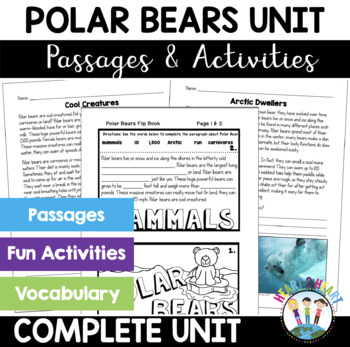
    Your students will love learning all about these COOL creatures! Polar bears are the largest living carnivores on land! These huge powerful bears can grow to be 10 feet tall and weigh more than 1,500 pounds. These massive creatures can really move too! On land, they can run 25 mph. In the water, they can swim at speeds up to 6 mph in water.

    This creative unit includes many interactive activities and learning opportunities for students including:
    ✔ Reading Passages (5)
    ✔ Comprehension Questions
    ✔ Anticipatory Set
    ✔ Meet Knut, a world famous polar bear
    ✔ Life Cycle of a Polar Bear
    ✔ Vocabulary Posters
    ✔ Vocabulary Flip Flaps
    ✔ Plus a 5-page Flip Book
    ✔ Answer Keys

    There are 3 main activities:
    Vocabulary:
    Introduce the 6 vocabulary words with the real-life photo posters included. You could post these posters around the classroom and have students travel around to match up and define the words in their flip flaps or use as a center activity. These posters are excellent for a bulletin board display too.

    Reading:
    Next, have students read the informational articles all about Polar Bears with a special look at Knut, a world-famous polar bear. There are several activities for students to complete after reading the articles, such as comprehension questions, fact or fiction activity, organizers, and cloze passage. Also included are the life cycle of a polar bear diagram, fact or fiction activity, and more! You could have students work with a partner or in small groups or as a center/station activity.

    Activities:
    Have students complete the 5-page Polar Bears Flip Booklet. I usually have them do one page at each center or station. They can use the articles as a reference source to help them complete the pages of the booklet. Lastly, they cut, color, and assemble the booklet. Flip up books can be glued or stapled inside their interactive notebooks, file folder, or a 12×18 piece of construction paper folded like a book cover.
  • Photosynthesis Activities Reading Comprehension Worksheets Label the Diagrams

    Photosynthesis Activities Reading Comprehension Worksheets Label the Diagrams

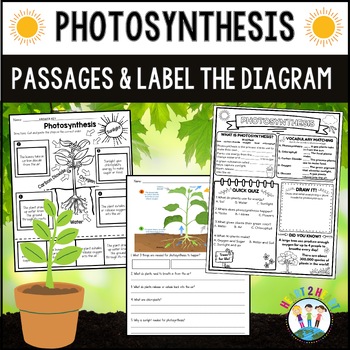
    Photosynthesis activities & worksheets including reading comprehension passages, label the diagrams, a cloze passage, vocabulary posters and more. Read and practice putting the photosynthesis process in order through a variety of activities. Great for Science binders or interactive notebooks too!

    What’s Inside:

    ✔ Two Reading Passages on the photosynthesis process

    ✔ Photosynthesis Doodle Notes

    ✔ Cloze Passage to reinforce key terminology
    ✔ Constructed-Response Questions for deeper thinking
    ✔ Summarizing Activity to practice concise explanations
    ✔ Sequencing Activity to order the steps of photosynthesis
    ✔ Vocabulary Posters spotlighting terms like “chlorophyll,” “carbon dioxide,” and “glucose”
    ✔ Spotlight on Vocabulary Exercises for matching and context clues
    ✔ Answer Keys

    ❤️ Why You’ll Love It:

    • Multi-Modal Learning: Combines reading, writing, and diagram labeling to reach all learners.
    • No Prep: Print-and-go pages keep your lesson planning stress-free.
    • Standards-Aligned: Reinforces NGSS 5-LS1-1 concepts and CCSS literacy skills.
    • Perfect for Notebooks: Activities fit into interactive science journals or binders.
    • Built-In Differentiation: Mix and match passages, cloze activities, and constructed responses to suit varied ability levels.

    Frequently Asked Questions:

    Q: What grade levels is this best for?
    A: Ideal for Grades 3–6, but easily adapted for upper or lower grades by adjusting discussion depth.

    Q: How much prep is required?
    A: Very little, just print the pages you need and you’re ready to teach.

    Q: Are answer keys included?
    A: Yes, answer keys accompany this unit.

    Q: Can I use these materials in an interactive notebook?
    A: Absolutely! The sequencing and diagram-labeling activities are notebook-friendly.

  • Light and Sound Unit with Issac Newton, Alexander Graham Bell, & Albert Einstein

    Light and Sound Unit with Issac Newton, Alexander Graham Bell, & Albert Einstein

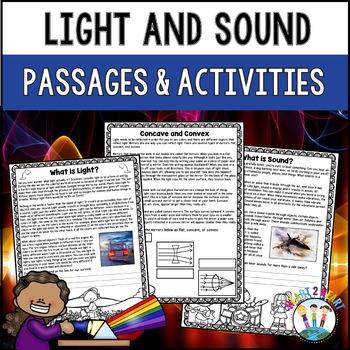
    Light and Sound Unit – What do Isaac Newton, Alexander Graham Bell, and Albert Einstein all have in common? Students will find out in this COMPLETE Light and Sound Unit! Use the activities in science centers, interactive notebooks, or for group work. The Unit is all about light and sound energy, including vibrations, reflection, and refraction, pitch, frequency, volume, and so much more!

    Your students will love this complete and interactive unit packed full of activities and a flipbook!

    If you take a step outside and carefully listen, you’re sure to hear something. Can you hear an airplane flying far off in the distance, a dog barking next door, or birds chirping in your yard? All around you, sounds are being created by people, places, and things. What exactly is a sound, and how are you able to hear one?

    With this complete unit, students will learn about the amazing world of light and sound! This Light and Sound Non-fiction Resource includes many interactive activities and learning opportunities for students with informational articles on:
    ✔ What is light?
    ✔ Our Amazing Eyes
    ✔ Reflection & Refraction
    ✔ Transparent, Translucent, or Opaque?
    ✔ Concave and Convex
    ✔ Lens, Prisms, & Rainbows
    ✔ What is Sound?
    ✔ Our Extraordinary Ears
    ✔ Pitch, Frequency & Volume
    ✔ Parts of Human Ear & Eye

    There are 3 character studies where students will meet important people who greatly influenced our world: Sir Isaac Newton, Alexander Graham Bell, and Albert Einstein. There are also customized biography organizers for reviewing or additional research. These provide a great way to integrate history across the curriculum.

    This unit on Light and Sound includes several comprehension and interactive activities for students:
    ✔ Label the Parts of the Human Eye
    ✔ Label the Parts of the Human Ear
    ✔ Light & Sound Mystery Flaps
    ✔ Cloze Passages (2)
    ✔ Graphic Organizers for each concept (6)
    ✔ Vocabulary Posters (12)
    ✔ Vocabulary Flip Flaps
    ✔ PLUS a 6 page Sound and Light Flip-up booklet
    ✔ For Elementary Grades – Third grade, Fourth grade, Fifth grade

    There are 3 main activities: Read.Connect.Create.

    Vocabulary:
    Introduce the vocabulary words with the real-life photo posters included. You could post these posters around the classroom and have students travel around to match up and define the words in their flip flaps or use as a center activity. These posters are excellent for a bulletin board display too.

    Reading:
    Next, have students read the informational articles about light and sound and complete the graphic organizers for each concept. Each article has comprehension questions and scenes for students to connect to the information. There are 3 character studies where students will meet important people who greatly influenced our world: Sir Isaac Newton, Alexander Graham Bell, and Albert Einstein. There are also biography organizers for reviewing or additional research. Have students complete the comprehension and connection questions, label the parts of the human eye and ear, mystery flaps, and cloze passages. Students could work with a partner, in small groups, or even as a center/station activity to read and complete the activities.

    Activities:
    Have students complete the Light and Sound Flip-Up Booklet. Students can build the flip-up book page by page. I usually have them do one page at each center or station. They can use the articles as a reference source to help them complete the pages of the flip-up. Lastly, they cut, color, and assemble the booklet. Flip-up books can be glued or stapled inside their interactive notebooks, file folder, or a 12×18 piece of construction paper folded like a book cover.
  • Learning all about Weather Tools: Articles, Activities, & Flip Book

    Learning all about Weather Tools: Articles, Activities, & Flip Book

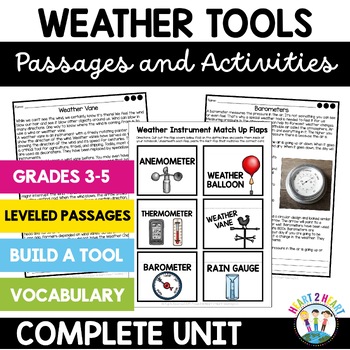
    Your students will love learning about the weather instruments/weather tools and creating a flip-up booklet!

    What should you wear today? Will it be warm or cold outside? Will it rain or snow? These are all questions that meteorologists help us answer. Meteorologists gather information about the weather using many different tools and weather instruments. They then make a forecast or prediction about what the weather will be like.

    In this pack students will learn about five weather instruments:
    ✔ Wind Vane
    ✔ Rain Gauge
    ✔ Barometer
    ✔ Thermometers
    ✔ Anemometer

    This unit includes many interactive activities and learning opportunities for students including:
    ✔ Vocabulary Posters
    ✔ Vocabulary Flip Flaps
    ✔ Informational Articles about the weather instruments
    ✔ PLUS 6 page Flip Up Booklet
    ✔ Name that Weather Instrument
    ✔ Color the Temperature
    ✔ Mystery Weather Flaps
    ✔ For Elementary Grades
    ✔ Great for Core Knowledge
    ✔ Common Core Aligned

    There are 3 main activities in this activity pack:

    Weather Instruments Vocabulary:
    Introduce the 6 vocabulary weather instrument words with the real-life photo posters included. You could post these posters around the classroom and have students travel around to match up and define the words in their flip flaps or use as a center activity. These posters are excellent for a bulletin board display too.

    Reading:
    Next, have students read the informational articles about the 5 weather instruments and complete the comprehension and connection questions. Read about and meet Mr. Fahrenheit and Mr. Celsius to learn more about the different ways to measure temperature. You could have students work with a partner or in small groups or even as a center/station activity.

    Weather Activities:
    Have students complete the student activities and Weather Instruments Flip Up Booklet and build it page by page. I usually have them do one page at each center or station. They can use the articles as a reference source to help them complete the pages of the booklet. Lastly, they cut, color, and assemble the booklet. Flip up books can be glued or stapled inside their interactive notebooks, file folder, or a 12×18 piece of construction paper folded like a book cover.
  • Human Body Systems: Let’s Explore Our Skeletal System

    Human Body Systems: Let’s Explore Our Skeletal System

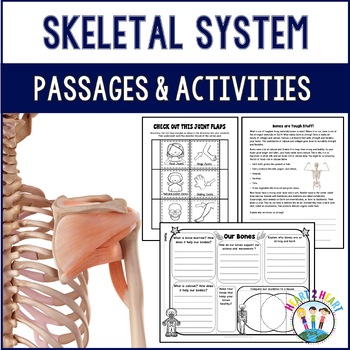
    Students will love learning about the Skeletal System with this complete resource! This unit has it all! It includes leveled reading passages, related activities, vocabulary posters, organizers, cloze passage, comprehension questions, and a 5-page flip book all about our bones!

    This packet includes many interactive activities and learning opportunities for students with reading passages about:

    ✔ Our Amazing Bodies

    ✔ What is a Cell?

    ✔ Our Skeleton is like a House

    ✔ Groovy Bones

    ✔ Bones are Tough Stuff!

    ✔ Protect Your Teeth

    ✔ Check out this Joint

    ✔ Appendicular & Axial Skeletons

    ✔ Plus students will Meet Robert Hooke, a brilliant scientist who first discovered “the cell” and complete a fact booklet.

    Students can apply their knowledge and show what they know with these connection activities:

    ✔ Comprehension Questions

    ✔ Skeletal System Organizers

    ✔ Label a Cell Diagram

    ✔ True/False Questions

    ✔ Cloze Passage

    ✔ Check Out This Joint Flaps

    ✔ Name the Missing Bones

    ✔ Calcium Needed Activity

    ✔ Vocabulary Posters

    ✔ Vocabulary Match-up

    ✔ Spotlight on Vocabulary

    ✔ PLUS a 5 Page Flip Book

    ⭐ SAVE BY BUYING THE BUNDLE!

    There are three main activities:

    Read. Connect. Create.

    Vocabulary:

    Introduce the six vocabulary words with the real-life photo posters included. You could post these posters around the classroom and have students travel around to match up and define the words in their flip flaps or use as a center activity. These posters are excellent for a bulletin board display too.

    Reading:

    Introduce the unit by having students answer (predict) the questions in the anticipatory set. Come back at the end of the unit to check and correct their answers. Next, have students read the informational articles about the skeletal system, our bones, and joints. Then complete the organizers and comprehension questions. Have students read the character study where they will meet Robert Hooke. He was the first scientist to discover cells.

    Interactive Activities:

    There are lots of hands-on activities in this pack depending on the age of your students and time allotted for this unit.

    ✔ Calcium Needed Activity

    ✔ Label the Cell Diagram

    ✔ True/False Questions

    ✔ Appendicular & Axial Skeleton Coloring Activity

    ✔ Name the Missing Bones

    ✔ Check out this Joint Flip-Flaps

    ✔ Robert Hooke Character Study & Facts

    ✔ 5-Page Flip Book

    ✔ Spotlight on Vocabulary

    Have students complete the Flipbook and build it page by page. I usually have them do one page at each center or learning station. They can use the articles as a reference source to help them complete the pages of the booklet. Lastly, they cut, color, and assemble the booklet. Flip-up books can be glued or stapled inside their interactive notebooks, file folder, or a 12×18 piece of construction paper folded like a book cover.
    ✔ Great for Core Knowledge 3rd Grade

  • Human Body Systems: Let’s Explore our Respiratory System

    Human Body Systems: Let’s Explore our Respiratory System

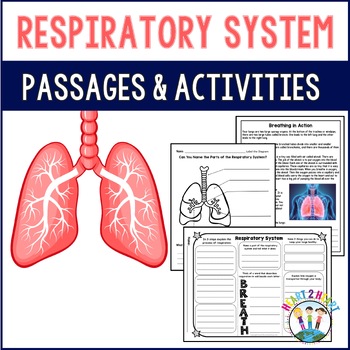
    Students will love learning about the Respiratory System with this complete resource! This unit has it all! It includes informational articles, related activities, vocabulary posters, organizers, cloze passage, comprehension questions, and a 5-page flip book all about respiration!

    This packet includes many interactive activities and learning opportunities for students with informational Articles on:

    ✔ Our Amazing Bodies

    ✔ What is a Cell?

    ✔ The Respiratory System

    ✔ What is Respiration?

    ✔ The Parts of the Respiratory System

    ✔ Your Lungs are Amazing!

    ✔ Breathing in Action

    ✔ No Carbon Dioxide Wanted!

    ✔ Keeping Your Lungs Healthy

    Students can apply their knowledge and show what they know with these connection activities:

    ✔ Comprehension Questions

    ✔ Graphic Organizers

    ✔ Label the Cell Diagram

    ✔ Three Helpers of Respiration

    ✔ Label the Diagram of the Lungs

    ✔ Respiratory Cloze Passage

    ✔ Cut-and-Sort the Facts

    ✔ Meet Anton Van Leeuwenhoek

    ✔ Meet Elizabeth Blackwell

    ✔ Vocabulary Posters

    ✔ Vocabulary Flip Flaps

    ✔ Spotlight on Vocabulary

    ✔ 5-Page Flip Book

    ✔ Answer Keys

    ⭐ SAVE BY BUYING THE BUNDLE!

    Read.Connect.Create.

    Vocabulary:

    Introduce the 6 vocabulary words with the real-life photo posters included. You could post these posters around the classroom and have students travel around to match up and define the words in their flip flaps or use as a center activity. These posters are excellent for a bulletin board display too.

    Reading:

    Have students read the informational articles about the human body, cells, and the Respiratory system. Then complete the organizers and comprehension questions. Have students read the character study where they will meet Elizabeth Blackwell who was the first female doctor. Students will also meet Anton Van Leeuwenhoek who invented the microscope.

    Interactive Activities:

    There are lots of hands-on activities in this pack depending on the age of your students and time allotted for this unit.

    ✔ Label the Cell Diagram

    ✔ Three Helpers of Respiration

    ✔ Respiration Organizer

    ✔ Label the Diagram of the Lungs

    ✔ How it Works

    ✔ Cloze Passage

    ✔ Spotlight on Vocabulary

    ✔ 5-Page Flip Book

    Have students complete the Flipbook and build it page by page. I usually have them do one page at each center or learning station. They can use the articles as a reference source to help them complete the pages of the booklet. Lastly, they cut, color, and assemble the booklet. Flipbooks can be glued or stapled inside their interactive notebooks, file folder, or a 12×18 piece of construction paper folded like a book cover.
    ✔ Great Tool for Core Knowledge

  • Human Body System: Let’s Explore our Nervous System

    Human Body System: Let’s Explore our Nervous System

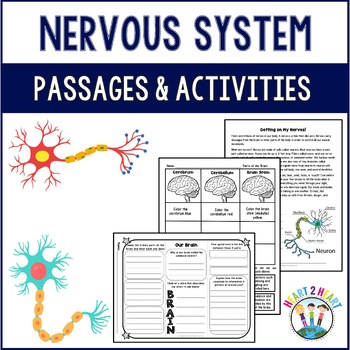
    Students will love learning about the Nervous System with this complete resource! This unit has it all! It includes informational articles, related activities, vocabulary posters, organizers, cloze passage, comprehension questions, and a 5-page flipbook all about our bones!

    This packet includes many interactive activities and learning opportunities for students with informational Articles on:

    ✔ Our Nervous System

    ✔ Two Parts of a System

    ✔ Brainy Bits (Parts)

    ✔ Rapid Reflexes

    ✔ Left-Brained or Right?

    ✔ Getting on my Nerves

    Students will meet Rita Levi-Montalcini, a brilliant scientist who discovered Nerve Growth Factor.

    This unit includes many interactive student activities for students to connect to the information and show what they know with:

    ✔ Comprehension Questions

    ✔ Nervous System Organizers

    ✔ Label the Cell Diagram

    ✔ Parts of the Brain Cut-n-Sort Activity

    ✔ Our Brains Organizer

    ✔ Color the Brainy Facts Activity

    ✔ Meet Rita Levi-Montalcini

    ✔ Character Fact Booklet

    ✔ Vocabulary Posters

    ✔ Vocabulary Flip Flaps (great for science notebooks)

    ✔ Spotlight on Vocabulary

    ✔ Vocabulary Match-up

    ✔ PLUS a 5-Page Flip Book

    ⭐ SAVE BY BUYING THE BUNDLE!

    There are three main activities:

    Read. Connect. Create.

    Vocabulary:

    Introduce the six vocabulary words with the real-life photo posters included. You could post these posters around the classroom and have students travel around to match up and define the words in their flip flaps or use as a center activity. These posters are excellent for a bulletin board display too.

    Reading:

    Introduce the unit by having students answer (predict) the questions in the anticipatory set. Come back at the end of the unit to check and correct their answers. Next, have students read the informational articles about the human body, cells, nervous system and our nerves. Then complete the organizers and comprehension questions. Have students read the character study where they will meet Rita Levi-Montalcini.

    Interactive Activities:

    There are lots of hands-on activities in this pack depending on the age of your students and time allotted for this unit.

    ✔ Comprehension Questions

    ✔ Nervous System Organizers

    ✔ Cell Diagram

    ✔ Parts of the Brain Cut-n-Sort Activity

    ✔ Our Brains Organizers

    ✔ Color the Facts Activity

    ✔ Rita Levi-Montalcini Character Study & Facts

    ✔ 5-Page Flip Book

    Have students complete the Flipbook and build it page by page. I usually have them do one page at each center or learning station. They can use the articles as a reference source to help them complete the pages of the booklet. Lastly, they cut, color, and assemble the booklet. Flip-up books can be glued or stapled inside their interactive notebooks, file folder, or a 12×18 piece of construction paper folded like a book cover.
    ✔ Great tool for Core Knowledge

  • Human Body Systems: Let’s Explore our Digestive System

    Human Body Systems: Let’s Explore our Digestive System

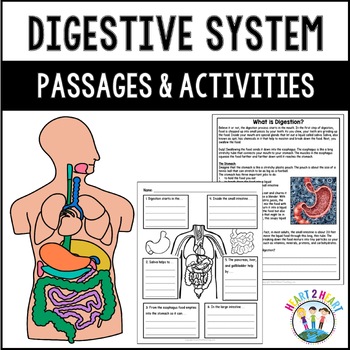
    Students will love learning about the Digestive System with this complete resource! This unit has it all! It includes informational articles, hands-on activities, vocabulary posters, organizers, cloze passage, comprehension questions, and a 5-page flip book all about digestion!

    This packet includes many interactive activities and learning opportunities for students with informational Articles on:

    ✔ Our Amazing Bodies

    ✔ What is a Cell?

    ✔ The Digestive System

    ✔ What is Digestion?

    ✔ Down it Goes!

    ✔ Three Helpers!

    ✔ All Done Now!

    Plus students will meet Florence Nightingale and Louis Pasteur and complete a fact booklet.

    Students can apply their knowledge and show what they know with these connection activities:

    ✔ Comprehension Questions

    ✔ Graphic Organizers

    ✔ Label a Cell Diagram

    ✔ Cut and Sort the Helpers of Digestion

    ✔ Cloze Passage

    ✔ Summarize the Digestion Process

    ✔ Name the Parts of Digestion

    ✔ Spotlight on Vocabulary

    ✔ Vocabulary Posters

    ✔ Vocabulary Flip Flaps

    ✔ PLUS a 5 Page Flip Book

    ⭐ SAVE BY BUYING THE BUNDLE!

    Vocabulary:

    Introduce the 6 vocabulary words with the real-life photo posters included. You could post these posters around the classroom and have students travel around to match up and define the words in their flip flaps or use as a center activity. These posters are excellent for a bulletin board display too.

    Reading:

    Have students read the informational articles about the human body, cells, and the digestive system. Then complete the organizers and comprehension questions. Have students read the character study where they will meet Florence Nightingale and Louis Pasteur.

    Interactive Activities:

    There are lots of hands-on activities in this pack depending on the age of your students and time allotted for this unit.

    ✔ Three Helpers of Digestion

    ✔ Fact or Fiction Activity

    ✔ Label the Cell Diagram

    ✔ Jobs of our Stomach

    ✔ Spotlight on Vocabulary

    ✔ Florence Nightingale Character Study

    ✔ Louis Pasteur Character Study

    ✔ 5-Page Flip Book

    Have students complete the Flipbook and build it page by page. I usually have them do one page at each center or learning station. They can use the articles as a reference source to help them complete the pages of the booklet. Lastly, they cut, color, and assemble the booklet. Flip-up books can be glued or stapled inside their interactive notebooks, file folder, or a 12×18 piece of construction paper folded like a book cover.
    ✔ Great tool for Core Knowledge

  • Grasshoppers: A Non-Fiction and Literacy Unit

    Grasshoppers: A Non-Fiction and Literacy Unit

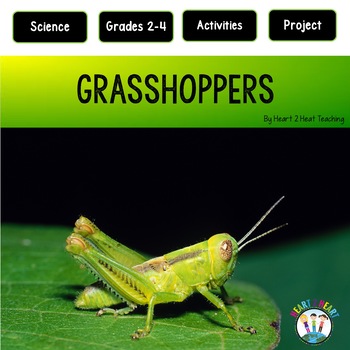
    Grasshoppers are the great musicians of the insect world. In honor of grasshoppers everywhere, this fun and an educational product have been created just for your class full of budding scientists.

    This product includes everything and more to learn all about these incredible insects. There are three Informational articles:
    1. Incredible Insects
    2. Amazing Arthropods
    3. Hidden Musicians (all about grasshoppers)

    Then students create and complete a flip up book which includes diet, habitat, body parts, life cycle, three facts, and cute clip art. All the information needed to complete this beautifully artistic flip up book is included in the articles.

    Plus there’s, even more, insect and grasshopper activities for students to work on in science centers or individually including:
    ✔ One page “Amazing Insects” Poster Page
    ✔ Grasshopper Organizer
    ✔ Vocabulary Flip Flap book
    ✔ Vocabulary Activities:

    Vocabulary words include:
    ✔ Arthropods
    ✔ Invertebrates
    ✔ Exoskeleton
    ✔ Metamorphosis
    ✔ Nymphs
    ✔ Molt

    ✔ Life Cycle Diagram for a Grasshopper
    ✔ From a Grasshopper’s Perspective Writing Activity
    ✔ Directions, templates, organizers, and photos of student samples of a completed book are enclosed.
    ✔ For Elementary Grades – Second grade, Third grade, Fourth grade
    ✔ Great for Core Knowledge

  • Georgia Standards of Excellence Kindergarten Science Posters

    Georgia Standards of Excellence Kindergarten Science Posters

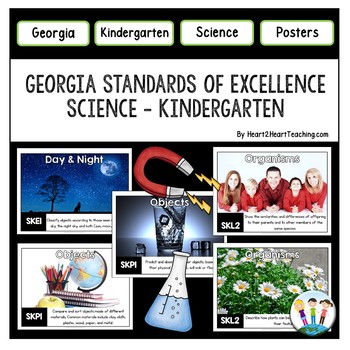
    This pack is a set of 16 Photo Wall Posters Set with the Science standards for the year. This meets the NEW Georgia Standards of Excellence for Kindergarten Science. These attractive posters will help students visualize and connect to the standards!

    Posters with real-life photographs helped my students make a better connection to the material. As a bonus, they make an attractive bulletin board display too. Under the posters, I like to display samples of student work.

    It comes with a checklist for you to use as you progress through the school year. This helped me stay organized and gave me a clear focus of the year-at-a-glance. Be sure to check out the Georgia Standards of Excellence for Kindergarten Social Studies too!

  • Georgia Standards of Excellence 6th Grade Science Posters

    Georgia Standards of Excellence 6th Grade Science Posters

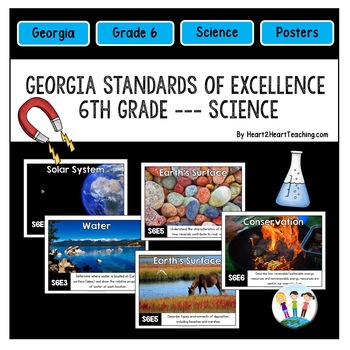
    This pack is a set of 30 Photo Wall Posters with the Science Standards for the year. This meets the NEW Georgia Standards of Excellence for 6th Grade Science. These attractive posters will help students visualize and connect to the standards!

    In this pack, you will find photo posters for 6th grade Science. These posters have real-life photographs to help students connect to the material. As a bonus, they make an attractive bulletin board display too. Under the posters, I like to display samples of student work.

  • Georgia Standards of Excellence 5th Grade Science Posters

    Georgia Standards of Excellence 5th Grade Science Posters

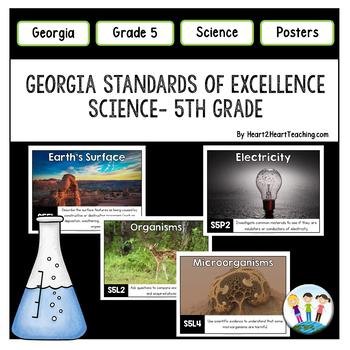
    This pack is a set of 19 Photo Wall Posters with the Science standards for the year. This meets the NEW Georgia Standards of Excellence for 5th Grade Science. These attractive posters will help students visualize and connect to the standards!

    Posters with real-life photographs helped my students make a better connection to the material. As a bonus, they make an attractive bulletin board display too. Under the posters, I like to display samples of student work.

    It comes with a checklist for you to use as you progress through the school year. This helped me stay organized and gave me a clear focus of the year-at-a-glance. Be sure to check out the Georgia Standards of Excellence for 5th Grade Social Studies too!