Category: Uncategorized

  • Inspire Your Students with an End-of-Year Create a Country Project: Geography & Map Skills for Grades 3–5

    Inspire Your Students with an End-of-Year Create a Country Project: Geography & Map Skills for Grades 3–5

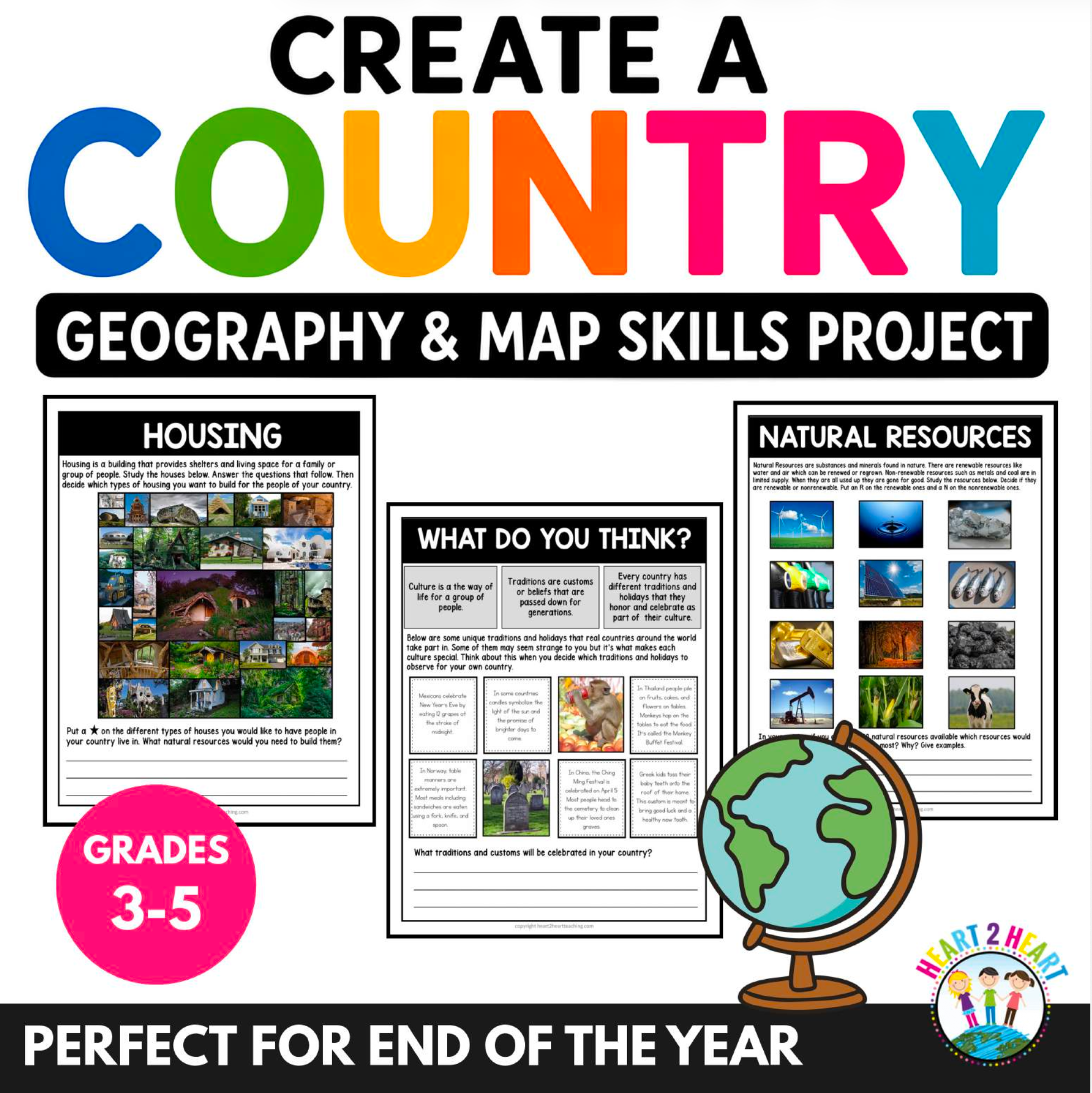
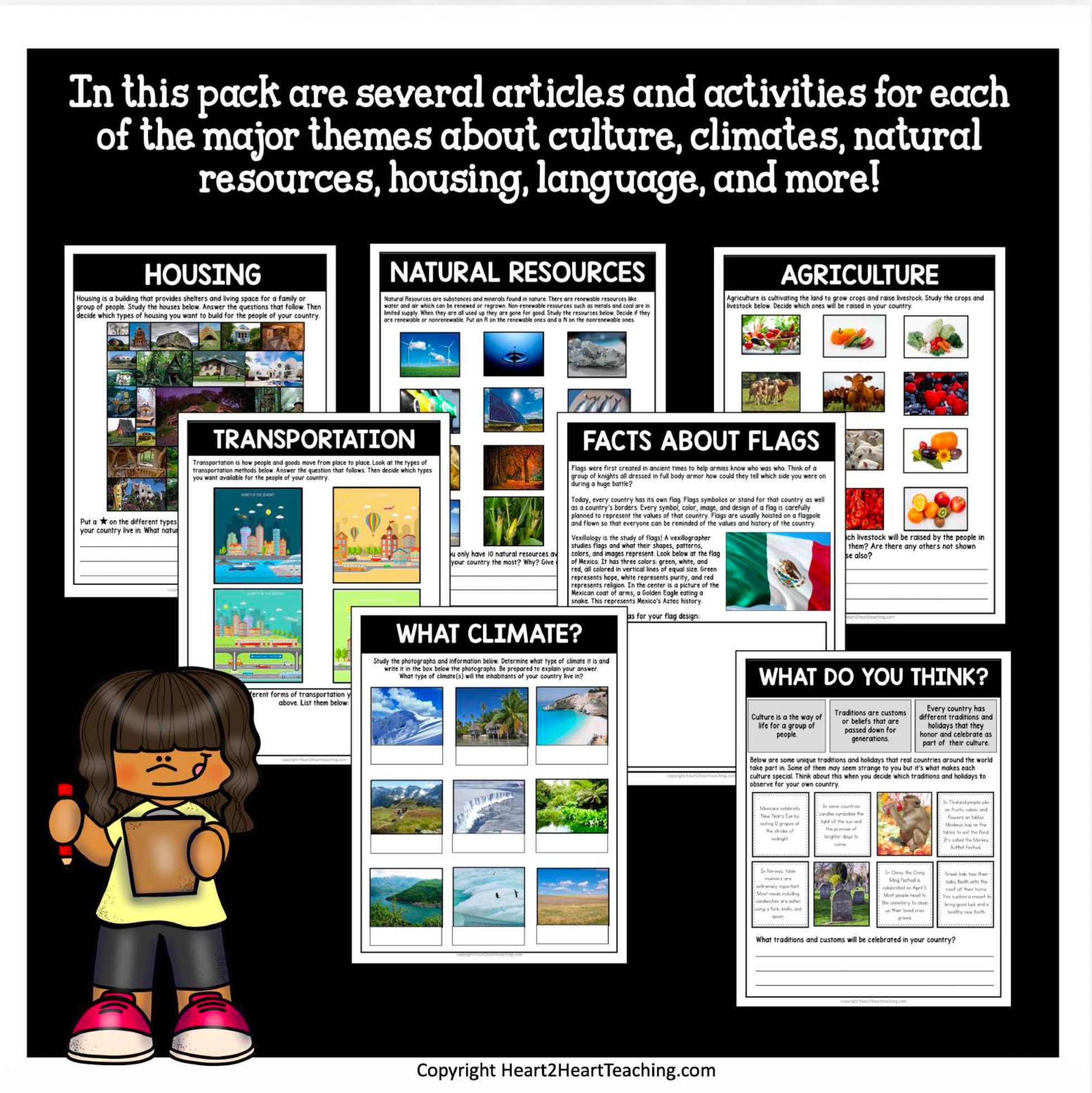
    Hands‑on geography projects invite curiosity, creativity and deeper understanding. When students move beyond worksheets and take ownership of their learning, they engage with the world in meaningful ways. One of my favorite end‑of‑year projects is the Create A Country Social Studies Project For End of the Year Geography Map Skills. This activity allows students to imagine a brand‑new country, complete with its own flag, map and culture, while they practice core geography concepts.

    A Story from My Classroom

    When I first tried the Create a Country project, I was blown away by the excitement it generated. Each group of students brainstormed a name for their country, designed colorful flags and drew detailed maps. One group decided their nation would be built entirely in treehouses and created a compass rose that looked like a flower. They even wrote an anthem! Watching their enthusiasm reminded me that learning is most powerful when it’s personal and creative.
    What Is the Create a Country Project?

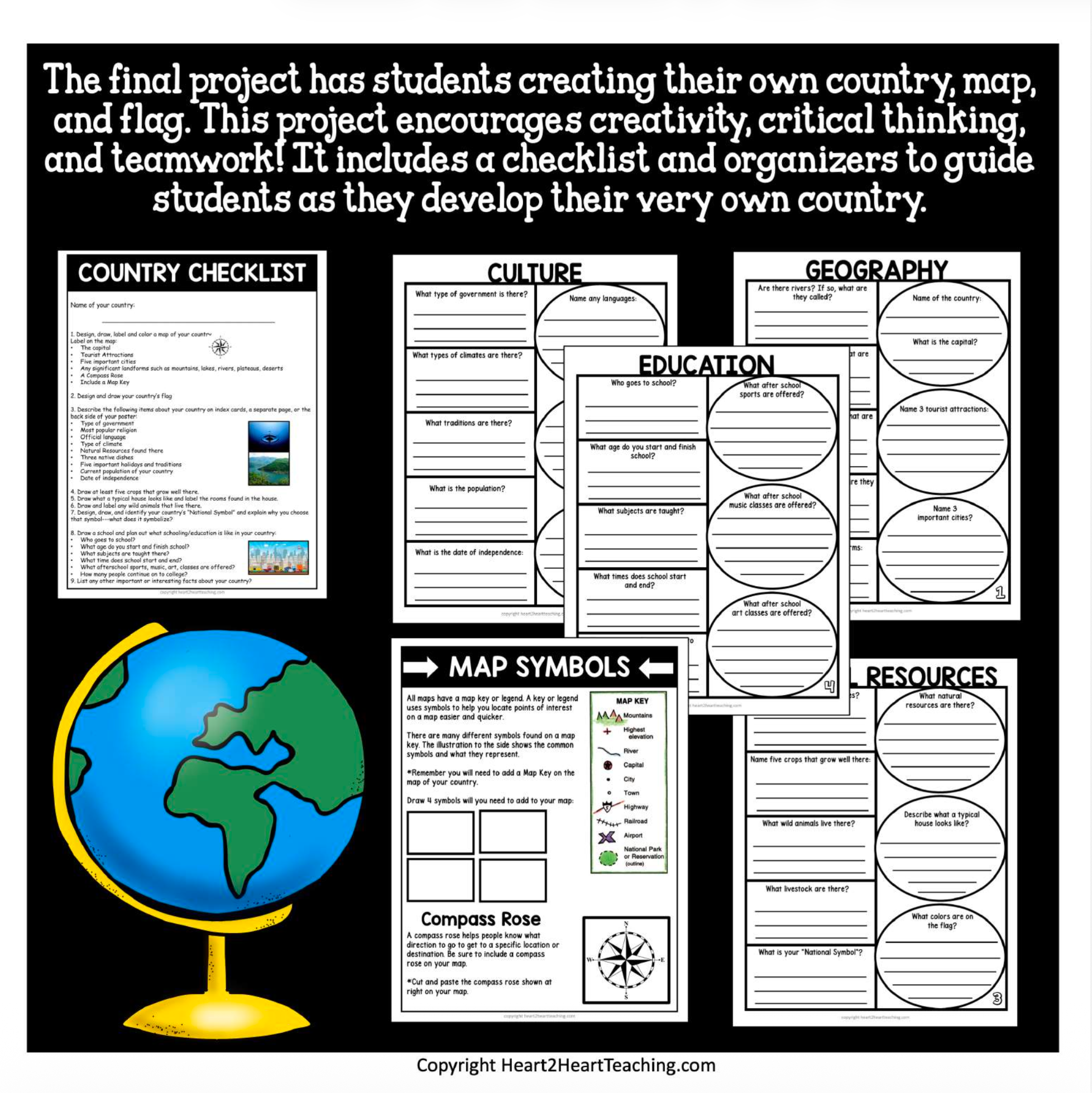
    This project is a fun and creative way to review geography and map skills at the end of the year. Designed for intermediate grades 3–5, it invites students to design their own country from the ground up. They’ll use map skills to draw landforms, add a compass rose and create boundaries. The project also explores culture, government, climate, natural resources and more. It’s a best‑selling resource that encourages critical thinking, teamwork and creativity.

    Key Skills Students Practice

    • Map skills: Students read and draw maps, include symbols and a compass rose, and interpret landforms. They use scale and legend to design an accurate representation.
    • Geography vocabulary and concepts: As they research and plan, they learn about climate zones, natural resources, cultural practices and forms of government.
    • Critical thinking and creativity: Students make decisions about resources, trade and culture. They solve problems, collaborate and express their ideas through art and writing.
    Step-by-Step Guide

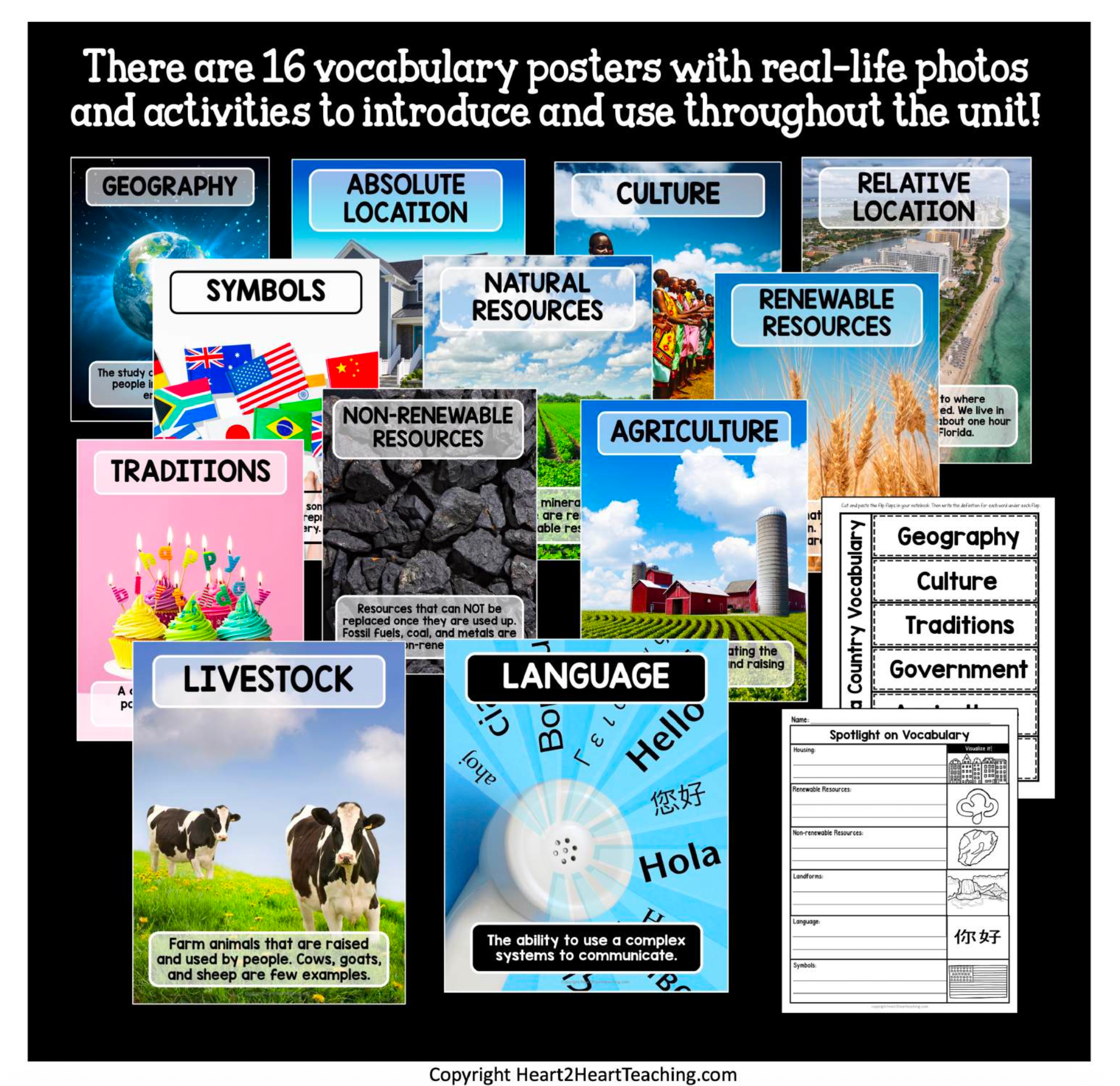
    1. Introduce the mini‑book and vocabulary posters. Start with a short informational articles that introduce key geography terms and concepts.
    2. Brainstorm countries in small groups. Let students work together to brainstorm their country’s name, location and basic characteristics. Encourage them to use imagination while staying grounded in real geography.
    3. Develop maps, flags and cultural descriptions. Provide blank map templates and graphic organizers. Students draw their country’s map, design a flag and write about the culture, climate and economy.
    4. Present and share. Have each group present their country to the class. They can explain their map, display their flag and describe their culture. This final presentation is a great way to reinforce communication skills and celebrate creativity.

    Classroom Tips

    • Differentiate for your learners. Pair struggling students with peers, provide sentence starters for describing the culture, or assign roles (cartographer, historian, artist) to ensure everyone contributes.
    • Integrate other subjects. Ask students to write a short story set in their country, compose a national anthem in music class, or calculate distances between countries in math.
    • Encourage inquiry. Rather than giving students all the answers, prompt them with questions like, “What natural resources would your country need?” or “How does climate affect housing?”
    Why It Works

    This project engages students because it gives them creative control while embedding important geography content. It reinforces map skills and vocabulary in a memorable way. By designing their own country, students practice problem‑solving, collaboration and public speaking. Teachers also appreciate that it’s low prep and flexible: you can adapt it for different grade levels, timelines and teaching styles.

    Are you ready to bring this imaginative social studies project to your classroom? The Create A Country Social Studies Project For End of the Year Geography Map Skills is available on our shop and on Teachers Pay Teachers. Inside the download you’ll find everything you need: a mini‑book, vocabulary posters, blank maps, graphic organizers and checklists. Feel free to pair it with our Map Skills Task Cards or Map Skills Freebie for extra practice. You can explore these resources and purchase the project here.

    Feedback from Real Teachers

    I’d love to hear how this project sparks curiosity in your class! Leave a comment or reach out with questions. Together we can inspire the next generation of geographers.
  • How to Nurture Leadership Skills in Children at Home and School

    How to Nurture Leadership Skills in Children at Home and School

    Busy parents and elementary educators often want children to be confident, kind, and capable, but daily routines and varied learning styles can make leadership feel like “one more thing” to teach. The truth is, early childhood leadership development isn’t a separate subject, it grows naturally out of everyday moments like taking turns, speaking up, and solving small problems together. These experiences line up with key child development milestones, when young learners are building self-control, empathy, and communication. When adults notice and nurture those moments, the importance of leadership skills in children shows up as stronger young learners motivation and steadier independence.

    What Leadership Looks Like for Young Kids

    Leadership for young children is not being bossy or being “the best.” It is choosing helpful actions that guide a group, like speaking up kindly, listening, and including others. Those moves fit right into social-emotional learning, where kids practice naming feelings, showing empathy, and handling problems with care.

    This matters because it tells you what to praise. When you celebrate a child for waiting, inviting a classmate in, or trying again after a mistake, you build confidence without pressure. Over time, kids start to see themselves as capable helpers, not just followers.

    Picture a block center argument. A “leader” says, “Let’s make a plan,” then suggests turns and checks if everyone agrees, helping friends make responsible decisions. With that definition clear, simple home and classroom habits can make leadership feel teachable every day.

    Build Leadership Skills with Simple Daily Moves

    Use this simple loop at home or in your classroom to turn “leadership” into small, teachable moments kids can actually practice. It works especially well for young learners because it feels like play, uses everyday routines, and gives you clear behaviors to notice and praise.

    1. Model the leader language you want to hear
      Start with one or two phrases you will use all week, like “I can help,” “What do you think?” and “Let’s take turns.” When kids hear calm, respectful words during real moments, they copy them more naturally than they follow lectures.
    2. Hand over tiny choices to build independence
      Choose one routine where you will stop directing and start offering two options, such as picking a job, choosing a reading spot, or deciding the order of tasks. The reminder that Autonomy builds confidence helps you stay consistent, even when it feels slower at first.
    3. Set one kid-sized goal and make it visible
      Help your child pick a simple “helper goal” for the day, like inviting someone to join a game or cleaning up one center without being asked. Connect it to who they are by watching for chances to discover their natural talents such as building, drawing, organizing, or comforting friends.
    4. Practice cooperation with a quick team job
      Give two kids one shared task with clear roles, like “You hold the tape, you place the paper,” or “You pick the books, you stack them.” End with a 10 second check-in: “What worked as a team?” so they learn that leading also means listening and adjusting.
    5. Review decisions and follow-through with a calm reset
      When a choice causes a problem, guide a do-over: name what happened, offer two better options, and try again right away. Then add gentle accountability by linking actions to repair, such as apologizing, rebuilding, or helping a classmate rejoin the activity.

    Everyday Leadership Habits Kids Actually Keep

    In my classroom and at home, leadership grows fastest when we practice it in tiny, repeatable ways. These habits give parents and elementary educators easy, fun activities that build confidence over time without adding a big planning burden.

    Daily Helper Spotlight

    ●      What it is: Name one kind action you noticed and label the skill.

    ●      How often: Daily

    ●      Why it helps: Kids repeat behaviors that get clear, specific attention.

    Two-Question Talk

    ●      What it is: Ask “What’s your idea?” then “What do you need?”

    ●      How often: Daily

    ●      Why it helps: It builds voice, planning, and respectful advocacy.

    Classroom or Home Job Rotation

    ●      What it is: Rotate meaningful jobs so everyone leads something real.

    ●      How often: Weekly

    ●      Why it helps: Responsibility feels fair, and follow-through becomes normal.

    Leadership Style Check-In

    ●      What it is: Use a simple leadership quiz to notice strengths.

    ●      How often: Monthly

    ●      Why it helps: Kids learn there are many ways to lead well.

    Repair and Rejoin Routine

    ●      What it is: Practice “I’m sorry, I can fix it, can I rejoin?”

    ●      How often: As needed

    ●      Why it helps: It teaches accountability without shame.


    Quick Answers for Growing Confident Kid Leaders

    Q: How can parents encourage their children to make confident decisions without feeling overwhelmed?
    A: Offer two simple choices you can live with, then let your child pick and try. Keep the decision small at first, like choosing the read-aloud book or planning a snack, so the “risk” feels safe. Remind them that leadership skills are practiced, not perfect, and mistakes are part of learning.

    Q: What are effective ways to teach young children about being responsible and accountable in daily tasks?
    A: Give one clear job with a visual cue, then use a quick “done check” together. If it is missed, guide a redo without lecturing: “What needs fixing?” and “What’s your plan?” Celebrate follow-through more than speed.

    Q: How can parents help their kids develop skills to resolve conflicts peacefully and independently?
    A: Teach a short script they can memorize: “I didn’t like that. Please stop. What can we do instead?” Practice with pretend scenarios when everyone is calm, then coach from nearby during real conflicts. Praise the attempt to use words, even if you still need to help.

    Q: What strategies can parents use to support their children’s goal-setting and follow-through?
    A: Start with a one-week goal and make it visible, like a simple chart or sticky note. Ask for the next tiny step, then set a specific check-in time so it does not rely on reminders all day. Let them reflect: “What worked?” and “What will you change?”

    Q: What steps can I take if I want to support my child’s leadership growth but feel stuck trying to balance everything in life?
    A: Pick one leadership habit that takes under two minutes and attach it to something you already do, like bedtime or the car ride. Keep your expectations gentle and consistent, since steady routines matter more than big projects. If you want more support, consider flexible online learning options that fit your schedule, and take a look at healthcare degree options.

    Start Small to Grow Confident Young Leaders Every Day

    It’s easy to want confident, kind leaders and still feel stretched by busy days, sibling dynamics, and classroom or home routines. A steady, positive parenting approach, treating leadership as a set of learnable skills and offering supportive guidance, keeps the focus on practice, not perfection. With consistent family support for young leaders, children begin to speak up respectfully, problem-solve more independently, and trust their own voice. Leadership grows when kids get real responsibility and warm support. Choose one technique this week, use it consistently, and celebrate the small moments of child empowerment you notice. Those moments build the resilience and connection kids carry into friendships, learning, and life.

    Written by Susan Good at the retirededucator.org

  • Everything You Need to Start Using Desk Pets in Your Classroom This Year

    Everything You Need to Start Using Desk Pets in Your Classroom This Year

    Looking for a behavior management tool that your students will actually love? Enter: Desk Pets! These tiny animal erasers turn classroom routines into exciting opportunities for learning, responsibility, and fun.

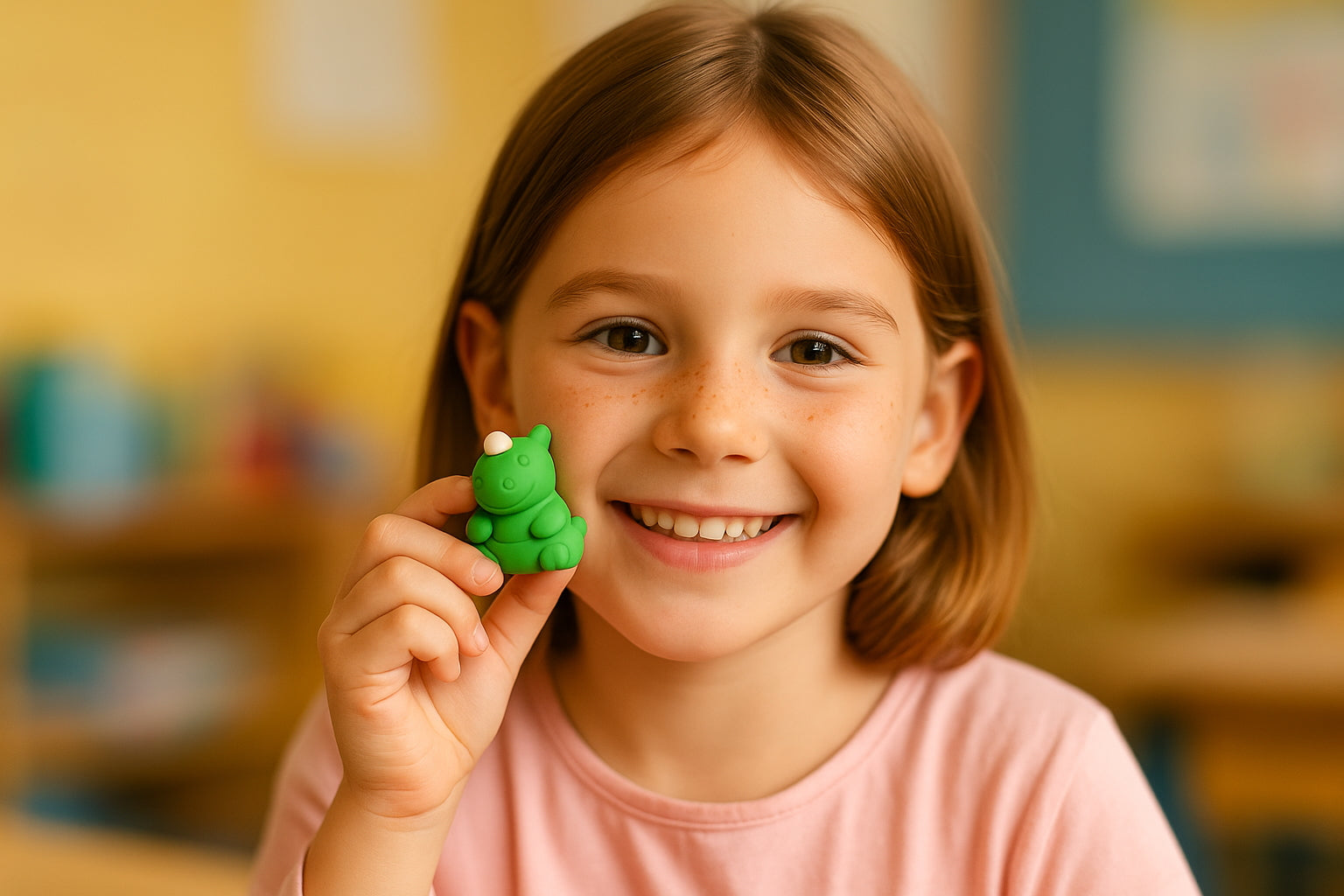
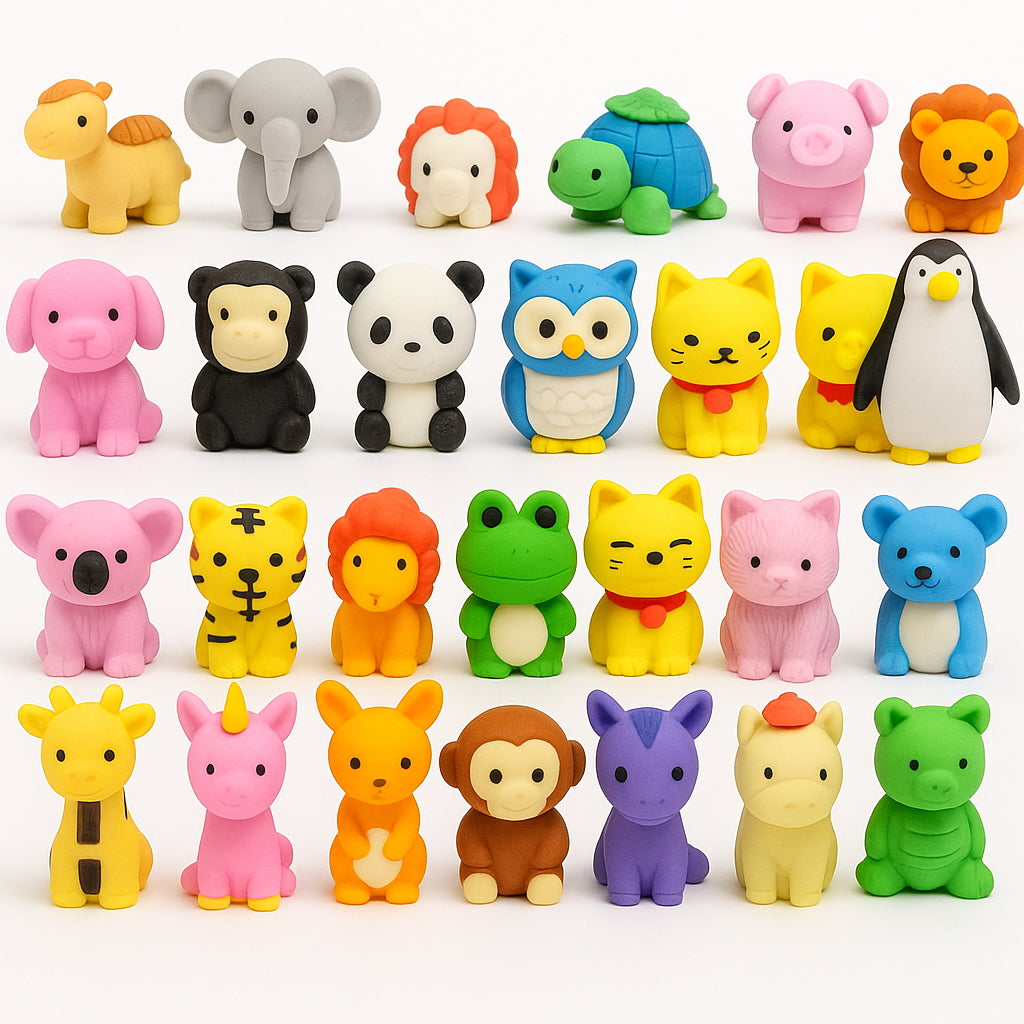
    Desk pets are a big hit in K–3 classrooms (and honestly, older students love them too!). Each student adopts a mini eraser “desk pet” and earns Critter Cash to care for it—buying food, accessories, and even new homes or habitats. Think of it as a reward system, classroom economy, and creative play all rolled into one.

    What’s the Desk Pet System All About?

    Here’s how it works:

    • Students adopt a desk pet with an official adoption certificate.
    • They earn Critter Cash through positive behavior, responsibility, and classroom participation.
    • They spend their Critter Cash at your classroom Pet Shop to buy food, toys, homes, or adopt new pets!

    It’s a fun, tangible way to motivate students and reinforce classroom expectations.

    What Is Critter Cash?

    Critter Cash is a classroom currency—students earn it for completing work, being helpful, staying focused, or making kind choices. You decide the earning criteria that fit your goals, and you can display them on a poster so students always know how to earn.

    Here are a few ideas for earning Critter Cash:

    • Finishing all assignments
    • Staying on task
    • Helping a friend or teacher
    • Following classroom rules
    • Showing kindness or responsibility

    Each week (or whenever you choose), students can visit the Pet Shop to spend their Critter Cash. They’ll LOVE budgeting and planning how to care for their desk pet!

    Setting Up Your Classroom Pet Shop

    To get started, designate a small space in your classroom for the Pet Shop—a rolling cart, shelf, or desk works great. Use small bins, baskets, or organizers to display:

    • Adoptable desk pets
    • Food, accessories, and seasonal pet home upgrades
    • Price list and receipts (yes, printable receipts are a hit with students!)

    You can print the Critter Cash on colored paper or cardstock and laminate it for durability. Give each student a labeled envelope or mini pouch to store their money.

    Make a simple price list for the shop, like:

    • Food: 3 Critter Cash
    • Accessories: 5 Critter Cash
    • New Home: 8 Critter Cash
    • Adopt a New Pet: 10 Critter Cash

    Tip: Assign a “Shopkeeper” as a classroom job to help manage the store!

    DIY Desk Pet Homes = Built-In Creativity

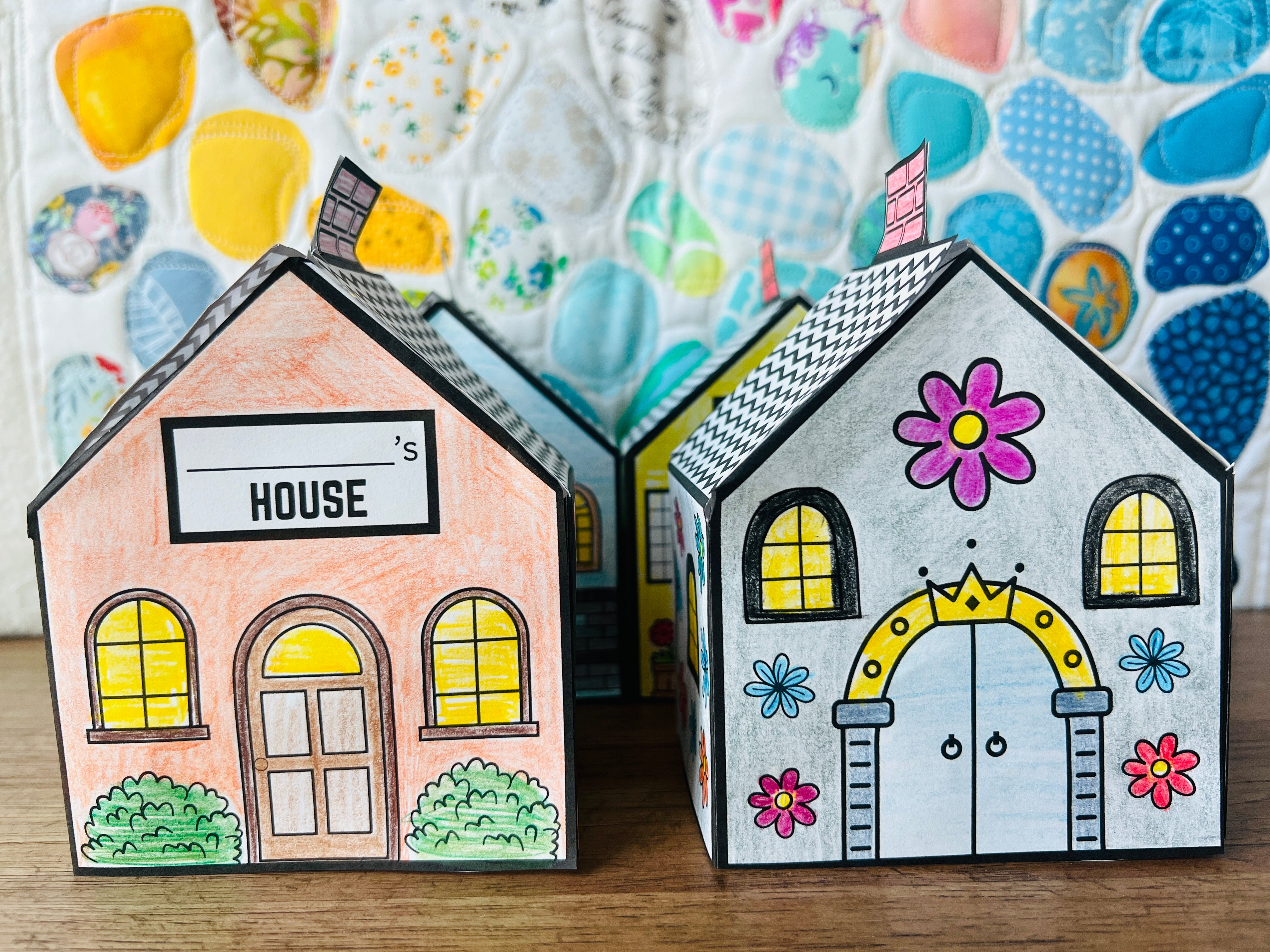
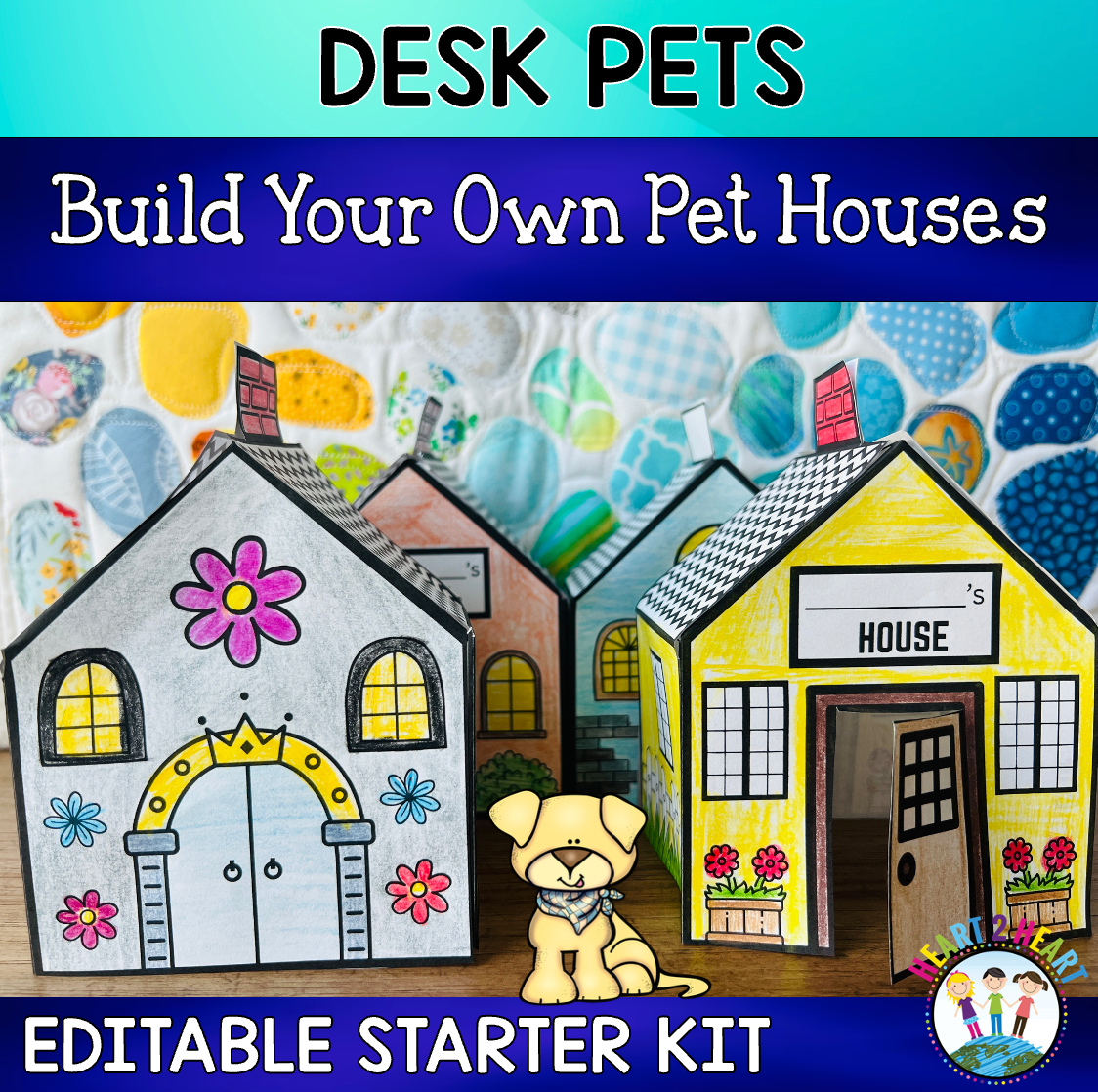
    To make it extra special, I created a set of Color-Your-Own Desk Pet Homes! These printable paper craft habitats let students personalize and assemble cozy spaces for their pets. It’s the perfect blend of creativity, fine motor skills, and classroom engagement.

    There are 8 themed homes included in my resource, with even more holiday-themed homes available separately. Whether your students prefer castles, cabins, or igloos, there’s something for every pet.

    Grab your Classroom Desk Pets Starter Kit in my shop!

    When Can Students Shop?

    You get to decide how and when the Pet Shop opens. Some teachers open it once a week (like Friday afternoons), while others use it as part of center time or Free Choice. Whatever fits your routine!

    Make it more exciting with Pet Shop Receipts—a simple printable form that students fill out when they buy an item. It adds just enough “real world” fun to make it feel official!

    Storage Tips for a Smooth System

    Keep everything organized with these easy solutions:

    • Students store Critter Cash in labeled envelopes or zip pouches
    • Pets and accessories live in student desk bins, boxes, or pencil cases
    • Teachers can organize pets, food, and homes in divided drawers or bins
    • Use themed tubs to rotate holiday homes and shop items throughout the year

    Don’t Forget the Desk Pet Rules!

    At the beginning of the year, introduce your Desk Pet Rules, such as:

    1. Desk pets stay in their homes while we’re learning
    2. Take good care of your pet
    3. Don’t touch other students’ pets
    4. If pets become a distraction, they stay with the teacher
    5. Desk pets must stay at school

    Review these regularly and treat the desk pets like a classroom privilege—because they are!

    Why Desk Pets Work

    This system works because it’s simple, motivating, and fun. Students are excited to earn Critter Cash, take care of their pets, and make choices in a mini classroom economy.

    It supports positive behavior, responsibility, and classroom routines—while also adding creativity and joy to your daily teaching.

    You can buy animal erasers at Amazon, Target, or the Dollar Store.

    What’s Included in My Desk Pet Starter Kit
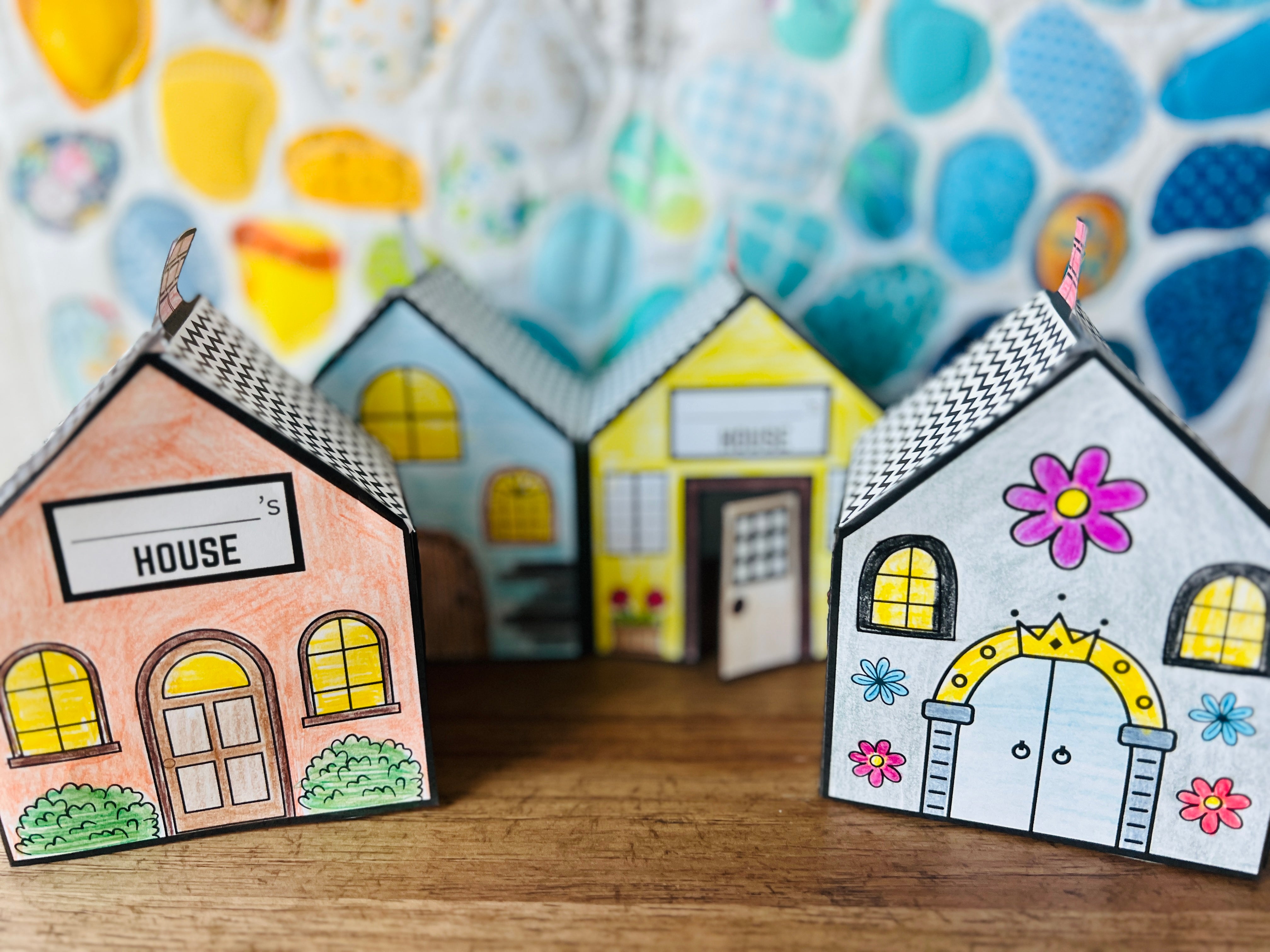
    • 8 Different Styles of Desk Pet Homes for kids to color and assembe!
    • Adoption Certificates
    • Printable Critter Cash
    • Editable Desk Pet Rules Poster
    • Teacher setup guide and ideas
    • Editable Letter to send to families 

    Click here to check it out on in my shop!

    Ready to Adopt a Pet Shop System?

    Trust me—once you introduce Desk Pets, your classroom will never be the same (in the best way!). You’ll be amazed at how much joy these desk pets bring to your students.

    If you use my printable homes or Critter Cash, I’d LOVE to see them in action! Send me at email at: Juliette@heart2heartteaching.com or tag me on Instagram @heart2heartteaching and show off your pet shop setup!


  • Give Your Child A Lifetime Love Of Learning With These Simple Strategies

    Give Your Child A Lifetime Love Of Learning With These Simple Strategies

    In a world brimming with endless knowledge and opportunities, instilling a deep-seated love for learning in your children is a gift that keeps on giving. It’s about opening doors to understanding, empathy, and boundless possibilities. This journey begins at home, with you leading the charge toward a future where your child not only seeks knowledge but thrives on it. In this article, courtesy of Heart 2 Heart Teaching, we’ll look at several strategies you can use to help your child foster a lifetime love of knowledge.

     Environments That Spark Curiosity

     Your home can be a treasure trove of inspiration with books that whisper tales of distant lands, educational toys that challenge and entertain, and art supplies that invite colorful expressions. Creating a resource-rich environment encourages exploration and nurtures creativity. By organizing these materials for easy access, you invite spontaneous learning, making every moment a potential discovery.

    The Ripple Effect of Your Educational Journey

     Your quest for knowledge serves as a powerful model for your children, showcasing the value of lifelong learning and the balance of responsibilities with personal development. If you’ve been putting off getting a degree, pursuing an online degree offers the flexibility needed to chase your dreams without sacrificing other duties, and you can boost your earning potential. For instance, earning a bachelor’s degree in accounting not only advances your career and broadens your job prospects but also enriches your family’s love of learning.


    The Power of Diverse Experiences

     Exposing your children to a broad spectrum of subjects and activities not only ignites their curiosity but also paves the way for them to discover what truly fascinates them. A visit to the museum can unravel the mysteries of history, while an afternoon spent watching educational programs could unveil the wonders of science. Engaging in discussions about art during dinner times enriches their appreciation for beauty, ensuring that each new experience broadens their horizons and deepens their interest in the diverse world around them.

    Learning Through Play and Exploration

     Incorporating games, experiments, and hands-on activities into your child’s learning regimen transforms education from a task into an adventure. By utilizing educational apps and websites, learning becomes an interactive experience, allowing children to explore complex concepts in a fun and engaging manner. This approach not only makes learning more enjoyable but also ensures that these concepts are more likely to be remembered and applied, making education both informative and immensely fun.

    Championing Individual Passions

     Take notice of and nurture your child’s emerging interests, whether in sports, music, art, or technology. Providing resources and experiences that align with their passions encourages deeper engagement and personal growth. Your support in this exploration stage is crucial in helping them develop a robust self-identity and confidence in their abilities.

    The Impact of Positive Reinforcement

     Acknowledging and celebrating your child’s achievements, big or small, plays a vital role in their learning journey. Positive reinforcement not only builds confidence but also fosters an environment where learning is seen as a rewarding and enjoyable process. This approach helps cultivate a mindset that values effort and appreciates the journey of discovery.

    Fostering a love of learning in your children is a profound endeavor that shapes their future and the person they become. It’s about more than academic success; it’s about equipping them with the curiosity, empathy, and resilience to navigate life’s challenges. By integrating these strategies into your daily life, you lay the foundation for a lifelong journey of exploration and growth. Remember, the goal is not just to teach but to inspire a thirst for knowledge that lasts a lifetime.

     Heart 2 Heart Teaching has the classroom resources you’ve been looking for. Click here to browse our collection!

    Written by Susan Good at the retirededucator.org

  • Celebrating Black History Month In the Classroom

    Celebrating Black History Month In the Classroom

    Every February, we dedicate a month to celebrating and acknowledging the rich and diverse history of Black Americans. Black History Month is not just a time for remembrance; it is a period to honor the remarkable contributions and significant achievements of black individuals throughout history. This year, we are taking a unique approach by celebrating 26 influential leaders in an interactive and engaging way.

    Meet the Leaders

    We have compiled a list of 26 remarkable individuals who have made significant contributions to various fields such as literature, civil rights, science, and sports. From iconic figures like Martin Luther King Jr. and Maya Angelou to lesser-known yet equally influential leaders such as Shirley Chisholm and Louis Armstrong, each one has left an indelible mark on our society. As we explore their stories, we also highlight the impact and legacy they have left behind for future generations to learn from and build upon.

    Bringing History to Life

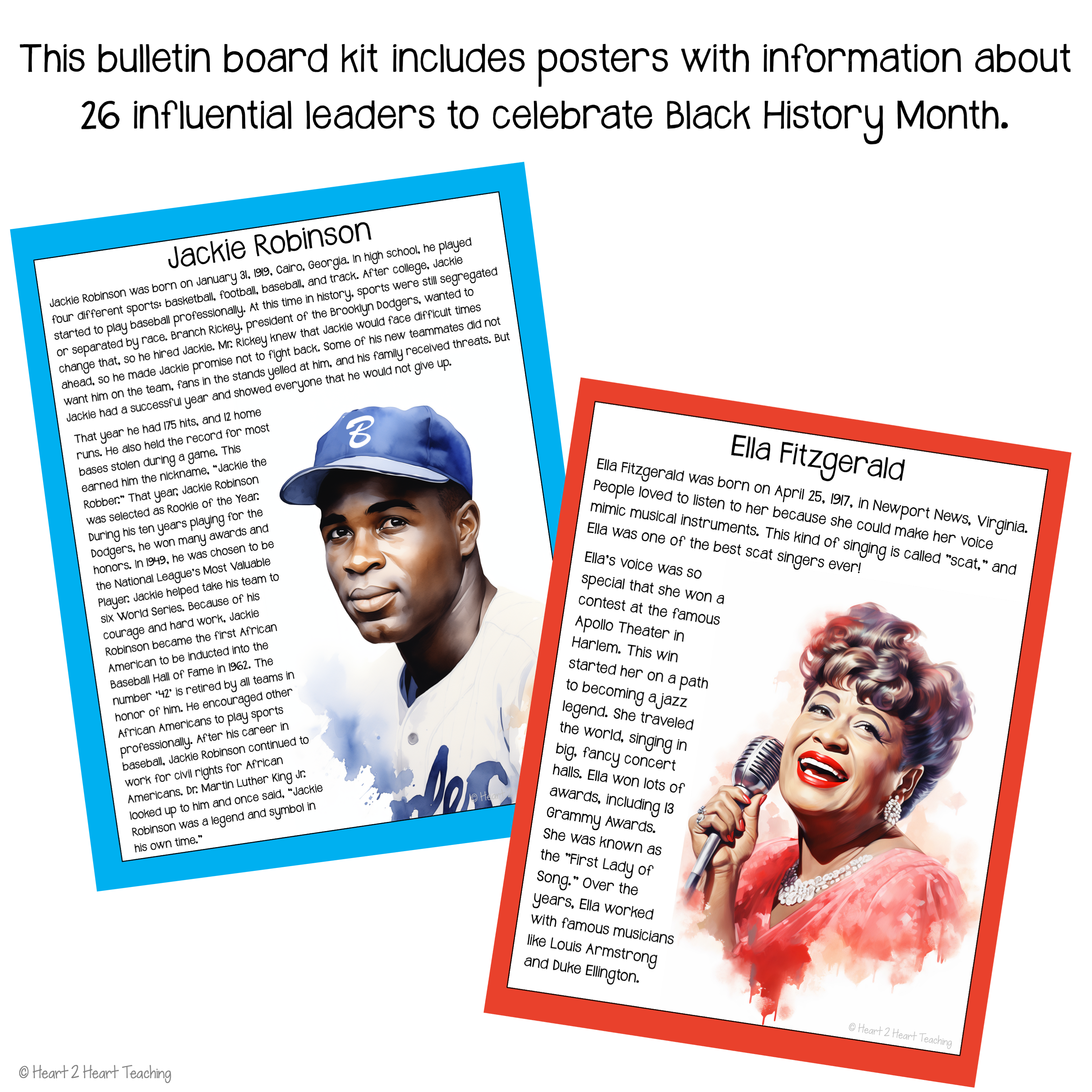
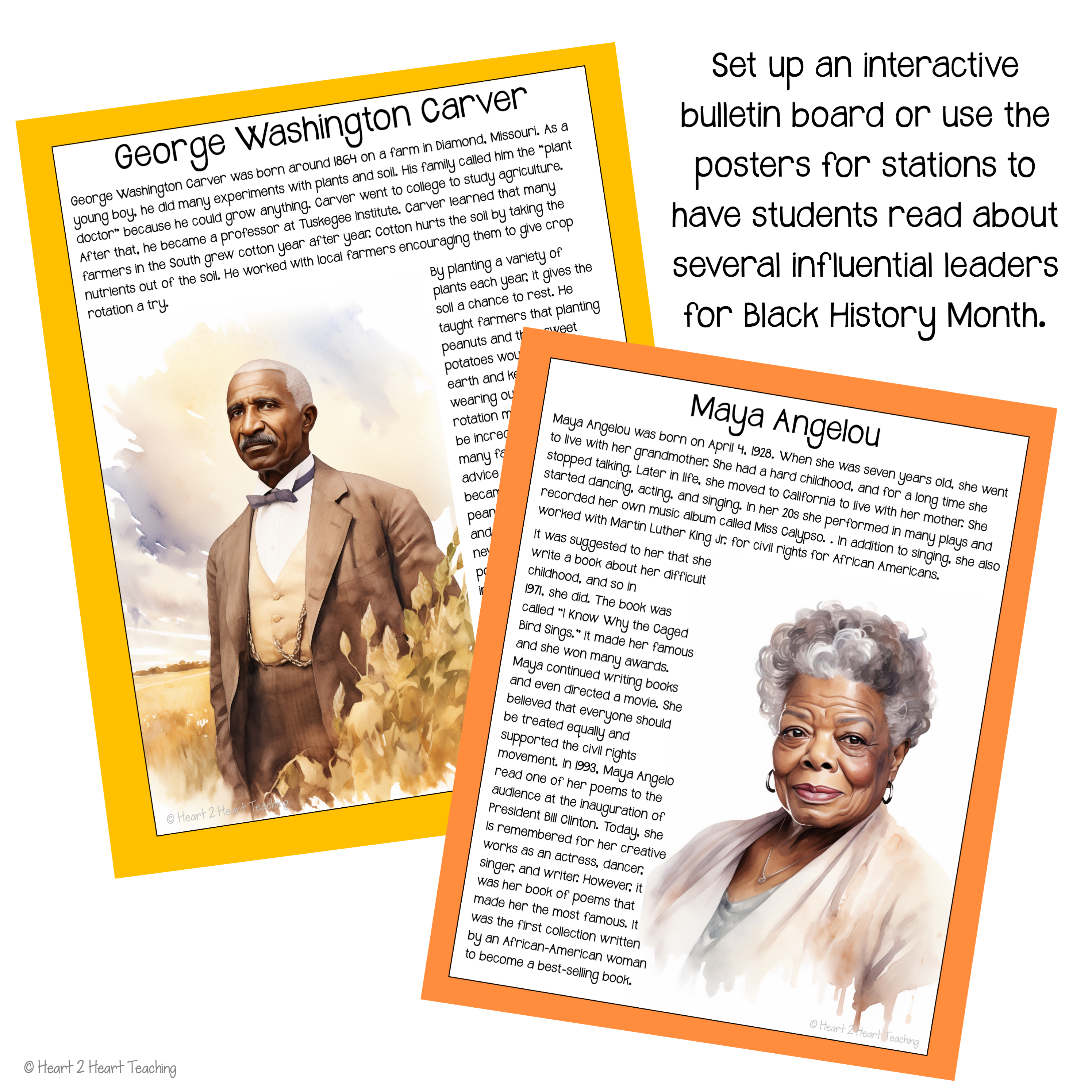
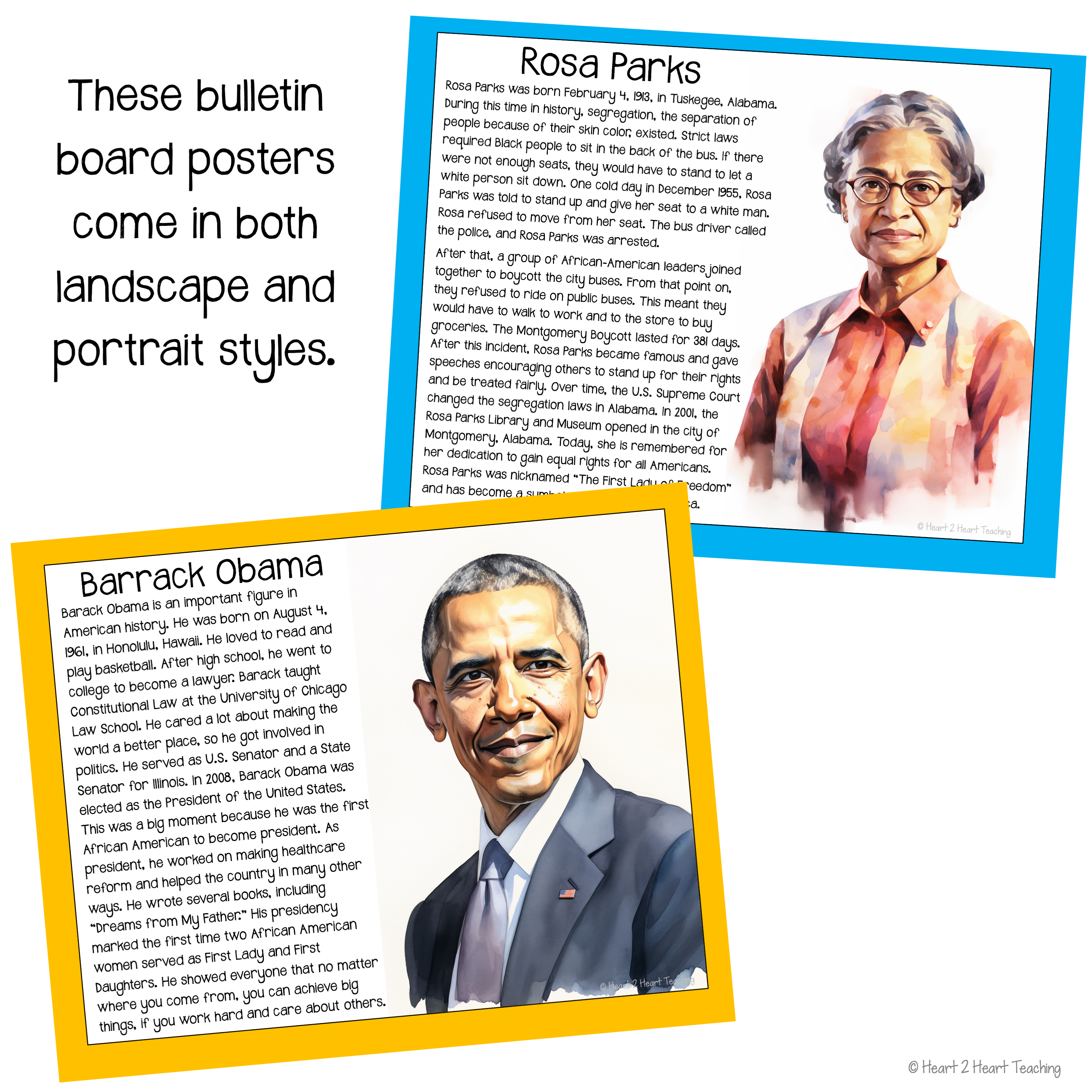
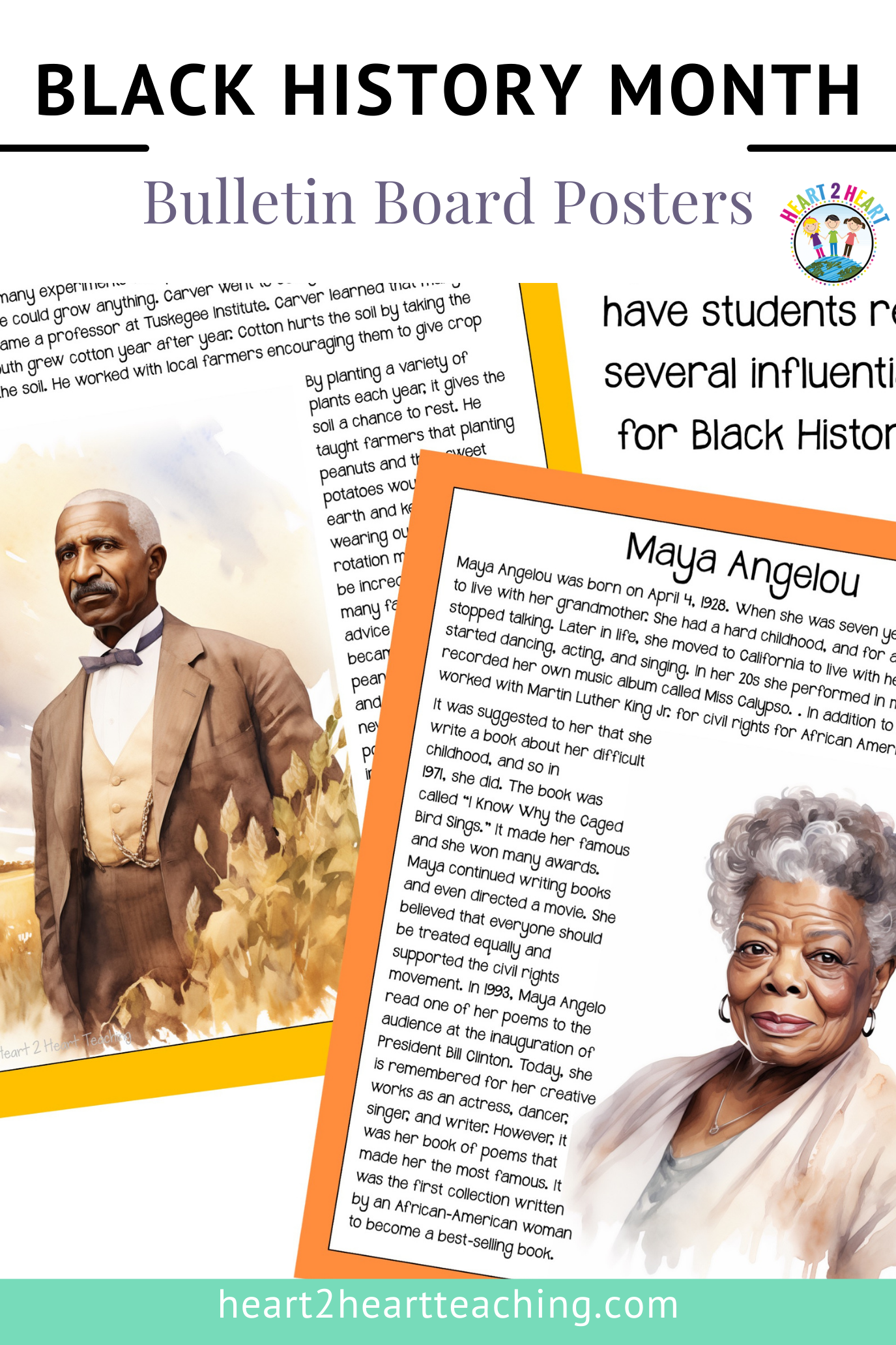
    Our Black History Month Bulletin Board Posters provide a vibrant and engaging learning tool that helps students and learners of all ages understand the lives and accomplishments of these influential figures. Each of our 26 biography posters, available in both portrait and landscape, features essential facts and insights into these leaders’ lives, making history more accessible and engaging.

    Our pack includes biography posters and organizers for the following influential leaders:

    1. Harriet Tubman

    2. Rosa Parks

    3. Mae Jemison

    4. Shirley Chisholm

    5. Marian Anderson

    6. Althea Gibson

    7. Sojourner Truth

    8. Ida B. Wells

    9. Ella Fitzgerald

    10. Mary McLeod Bethune

    11. Bessie Coleman

    12. Maya Angelou

    13. Zora Neale Hurston

    14. Benjamin Banneker

    15. Booker T. Washington

    16. John Lewis

    17. Muhammad Ali

    18. Louis Armstrong

    19. Frederick Douglass

    20. Barrack Obama

    21. Langston Hughes

    22. Thurgood Marshall

    23. Jackie Robinson

    24. Dr. Charles Drew

    25. Martin Luther King Jr.

    26. George Washington Carver

    Each leader has played a vital role in shaping our history, and their stories are a testament to their courage, perseverance, and unwavering commitment to justice and equality.

    Ways to Use These Resources

    The colorful posters make for an eye-catching bulletin board display. Alternatively, you can set up an interactive bulletin board, encouraging students to engage with the leaders’ stories by reading the posters and filling in their biography organizers. These resources can also be used at different stations, allowing students to explore several influential leaders’ lives and complete the organizers throughout the month.

    Ideas for Use:

    Writing Assignments: Use the biographies as prompts for writing assignments. Students could write a letter to the leader, a diary entry from the leader’s perspective, or a short story inspired by the leader’s life.

    Group Discussions: Facilitate group discussions based on the leaders’ lives and their contributions, enhancing critical thinking and collaborative skills among students.

    Remember, the key to effective learning is making it fun and interactive, so feel free to get creative with these resources! Let’s inspire the next generation of leaders together. 
    Let’s celebrate their achievements and honor their legacy. And let’s continue to draw inspiration from their lives as we strive for a more inclusive and equitable future.
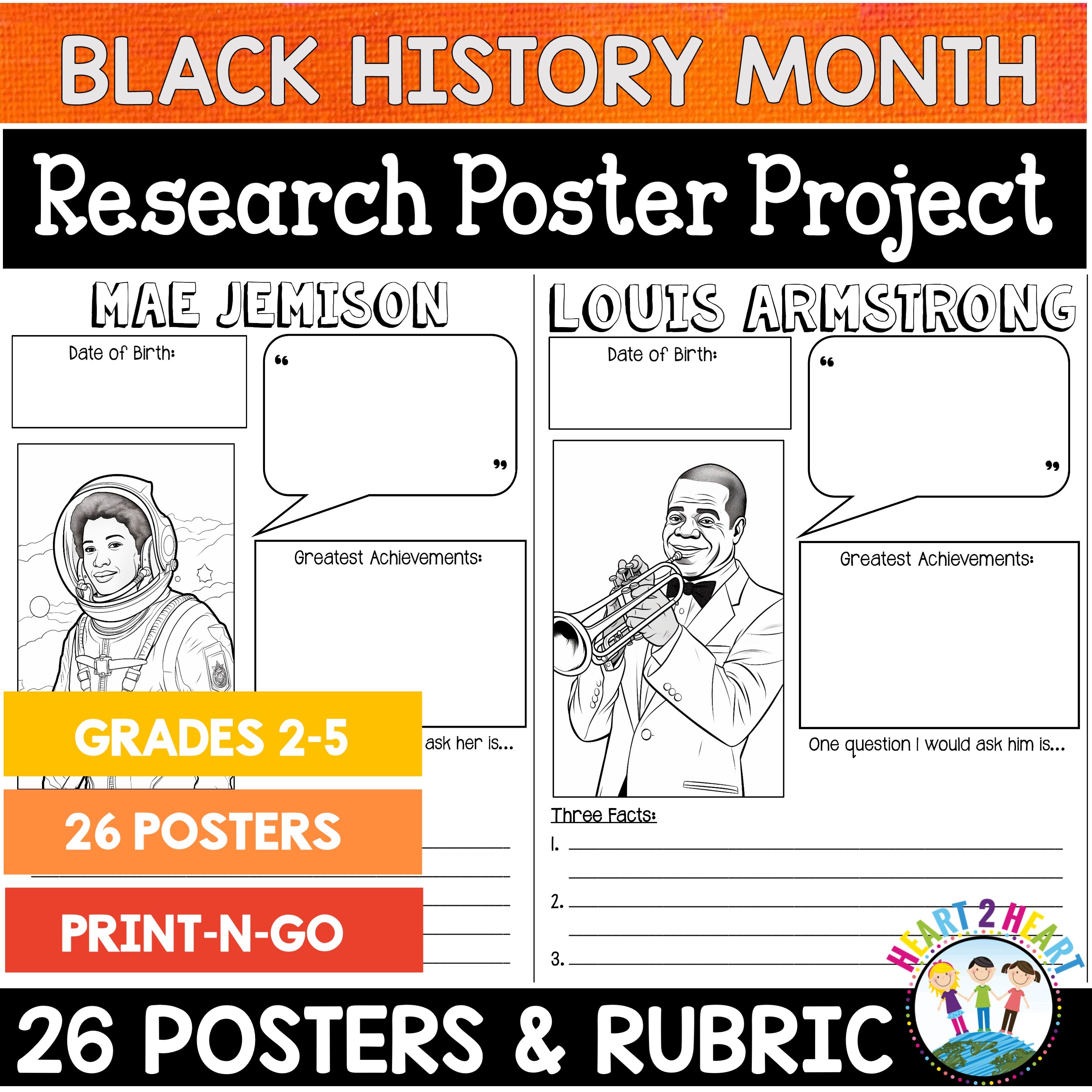
    We also have Black History Month Research Poster Project in our shop that goes along perfectly with these posters. 


  • Student-Centered Seating Layouts: The Key to Creating a Community in the Classroom

    Student-Centered Seating Layouts: The Key to Creating a Community in the Classroom

    As the back-to-school season approaches, we know that setting up your classroom can be both thrilling and a tad overwhelming. But fear not, because we’re here to help you make it a breeze!

    Back-to-School Classroom Setup Tips

    1. Plan with Purpose: Take a moment to visualize how you want your classroom to look and feel. What atmosphere do you want to create? Having a clear vision will guide your setup decisions.

    2. Organize Strategically: Create designated spaces for different activities. Think cozy reading corners, hands-on experiment zones, and a neatly organized supply area.

    3. Student-Centered Layout: Arrange desks or seating to encourage interaction and collaboration. An open layout can foster a sense of community among your energetic learners.

    4. Personal Touches: Infuse your personality into the classroom. Hang up photos, quotes, or wall decor that reflect your teaching style and make the space inviting.

    One of the keys to a successful and engaging classroom environment is the arrangement of desks or seating that promotes interaction, collaboration, and a sense of community among your students. This layout not only encourages teamwork but also helps your energetic learners stay focused and motivated throughout their learning journey.

    Traditional Rows of Desks:

    Pros:

    • Focused Learning: This setup can be ideal for individual work and focusing on tasks independently.
    • Minimal Distractions: Students facing forward can have fewer distractions from their peers, which can be beneficial for some learners.
    • Teacher-Centered: The teacher’s position at the front of the room allows for easy instruction and control of the class.

    Cons:

    • Limited Interaction: Students in rows have limited interaction with each other, which can hinder collaboration and peer learning.
    • Teacher-Centric: The setup emphasizes the teacher’s role as the sole source of knowledge, potentially reducing student engagement.
    • Isolation: Students at the back may feel isolated or disconnected from the rest of the class.

    Flexible Group Seating: Consider arranging desks in clusters or pods to encourage small group collaboration. This setup allows students to easily engage in discussions, share ideas, and work together on projects.

    Pros:

    • Collaboration: Students can work together in small groups, fostering collaboration and peer learning.
    • Interactive Learning: The setup encourages discussion, sharing of ideas, and engagement in group activities.
    • Varied Learning Styles: Different seating arrangements cater to diverse learning styles, allowing students to choose what suits them best.

    Cons:

    • Noise Level: Collaborative arrangements can be noisier, and managing noise levels might require more proactive classroom management.
    • Conflict Resolution: Group dynamics can lead to conflicts or challenges in managing interactions between students.
    • Distractions: Some students may become distracted by their peers, impacting their focus on the task at hand.

    Circle or U-Shape Arrangement: For class discussions or activities that require everyone’s participation, arrange desks in a circle or U-shape. This layout promotes inclusivity and ensures that every student’s voice is heard. 

    Pros:

    • Inclusive Discussions: Everyone can easily see and hear each other, promoting more inclusive class discussions.
    • Equitable Participation: All students have an equal opportunity to contribute to discussions and activities.
    • Teacher Proximity: The teacher’s central position allows for better observation and interaction with all students.

    Cons:

    • Space Limitations: Depending on the classroom size, arranging desks in a circular or U-shaped formation might limit space for other activities.
    • Classroom Management: The teacher’s ability to manage behavior and interactions might be more challenging due to the open setup.
    • Lack of Privacy: Some students might feel uncomfortable when they’re in close proximity to their peers, affecting their participation.

    Each seating arrangement has its own set of advantages and disadvantages, and the choice of arrangement often depends on the teaching style, lesson objectives, and the needs of your students. Many educators find that a combination of seating styles can be beneficial, allowing for flexibility and adaptation based on the activities and learning goals of the day.

    Other things to Keep in Mind For Classroom Layout

    Collaborative Learning Stations: Create different learning stations within your classroom, each with a specific purpose. For instance, a reading nook, a research corner, and a hands-on experiment area. This setup encourages students to move around and explore different activities. Collaborative stations encourage students to explain concepts to their peers, reinforcing their understanding and deepening their knowledge. Teaching others enhances their own grasp of the material.

    Student-Centered Materials: Place frequently used materials within easy reach of students. This autonomy empowers them to access resources independently, enhancing their responsibility for their own learning.

    Classroom Arrangement Principles: Keep sightlines in mind to ensure that students can comfortably see and interact with each other. Remove unnecessary barriers that might hinder communication and collaboration.

    Designated Group Spaces: Designate specific areas for group work and discussions. These spaces can be marked with colorful rugs, cushions, or collaborative work boards, signaling to students that it’s a spot for teamwork.

    Teacher’s Role: As the facilitator, your position within the classroom is crucial. Consider having a mobile teaching station that allows you to move around and engage with different groups as needed.

    Positive Behavior Reinforcement: Use the student-centered layout to reward positive behavior. For instance, groups that work well together could earn extra privileges or special recognition.

    Reflect and Adapt: Regularly assess the effectiveness of your seating arrangement. Ask for student feedback and be open to making adjustments to better suit their needs and preferences.

    By adopting a student-centered layout, you’re creating an environment where collaboration, communication, and community-building are at the forefront of the learning experience. This approach not only enhances your energetic learners’ academic growth but also cultivates essential life skills that they’ll carry with them beyond the classroom.

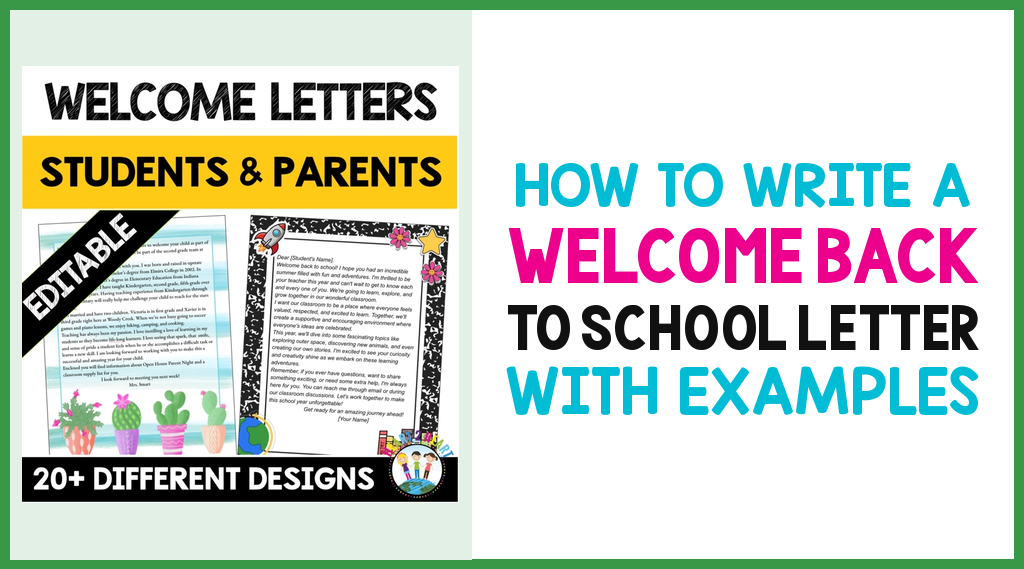
  • How to Write a Welcome Back to School Letter (With Examples)

    How to Write a Welcome Back to School Letter (With Examples)

    How to write a welcome back to school letter, with examples, and editable welcome letter templates on a desk

    The first welcome letter I ever sent home was two pages long, and one and a half of those pages were rules.

    No food at the desks. Homework is due the next morning. Three warnings and then a note home. I had bullet points. I was very organized about it.

    What I remember is a parent stopping me in the hallway on the first day to ask, a little carefully, whether I was strict.

    That was the only thing my letter had actually communicated. Not the field trips, not the writing projects, not how much I had been looking forward to meeting her kid. Just a tone.

    Here is what I had gotten wrong. A welcome letter is not a policy document that happens to arrive early. It is the first impression of your classroom, and whatever it spends the most words on is the thing people will believe you care about most.

    Quote: A welcome letter is not a list of rules. It is the first thing a family learns about your classroom.

    Once I understood that, the letter got shorter, warmer and much easier to write. It also started getting replies.

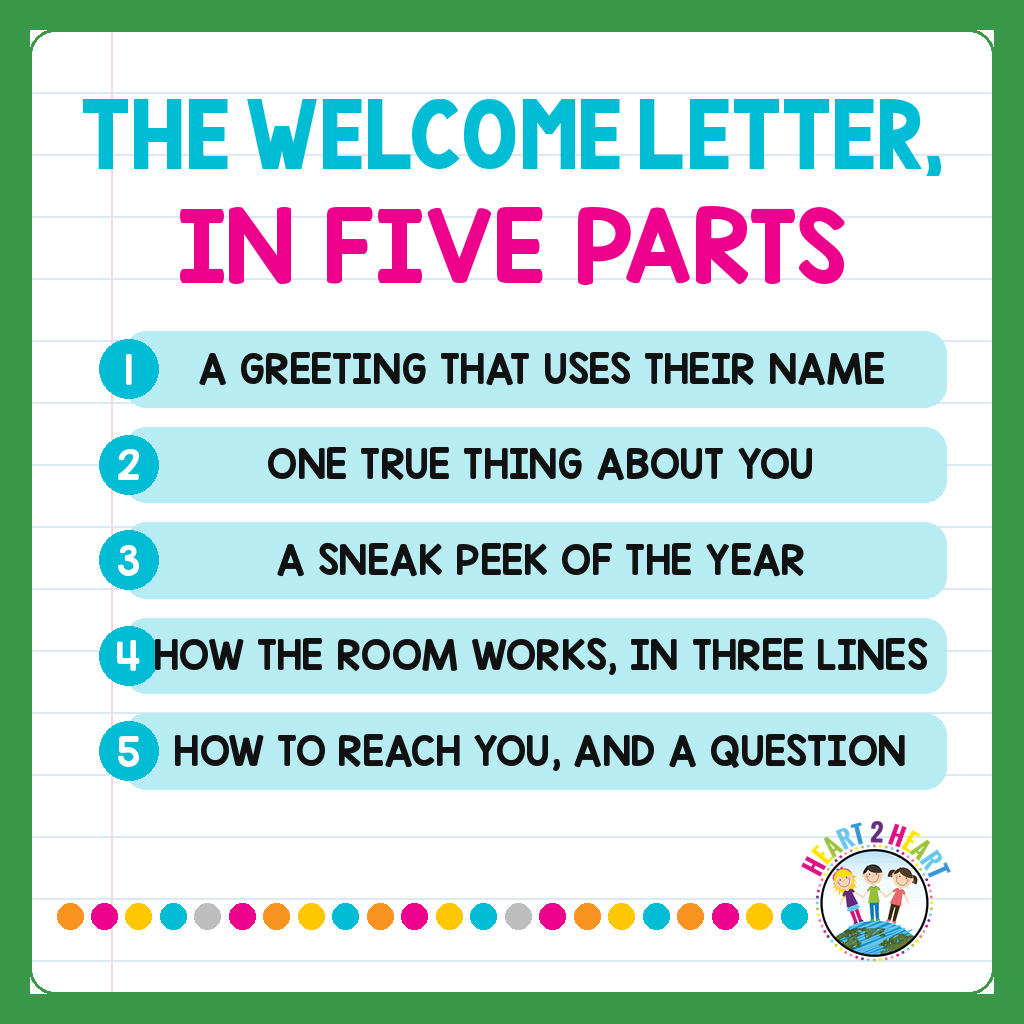
    Here is what goes in it, in five parts, with examples you can adapt. It fits on one page, and the whole thing takes about twenty minutes once you know what belongs in it.

    1. A Greeting That Uses Their Name

    Start warm and start specific. A first name in the first line is the difference between a letter and a form.

    For a student:

    “Welcome back to school! I hope you had an incredible summer filled with fun and adventures. I am thrilled to be your teacher this year and I cannot wait to get to know each and every one of you.”

    For a parent:

    “I am so glad Marcus is going to be part of our second grade class this year. I am looking forward to getting to know your family.”

    Notice how short that is. The greeting does not need to do any heavy lifting. It only has to sound like a person wrote it.

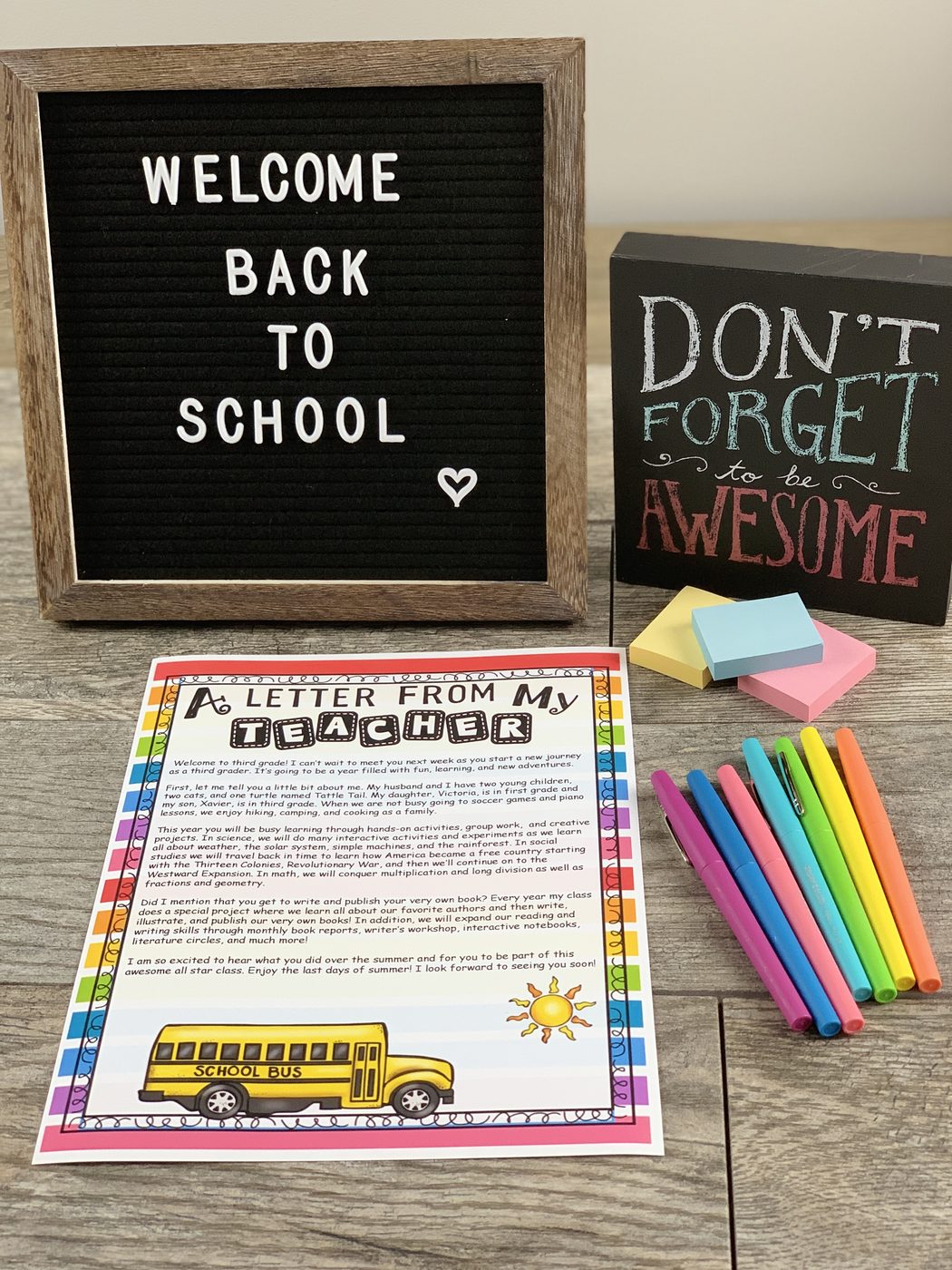
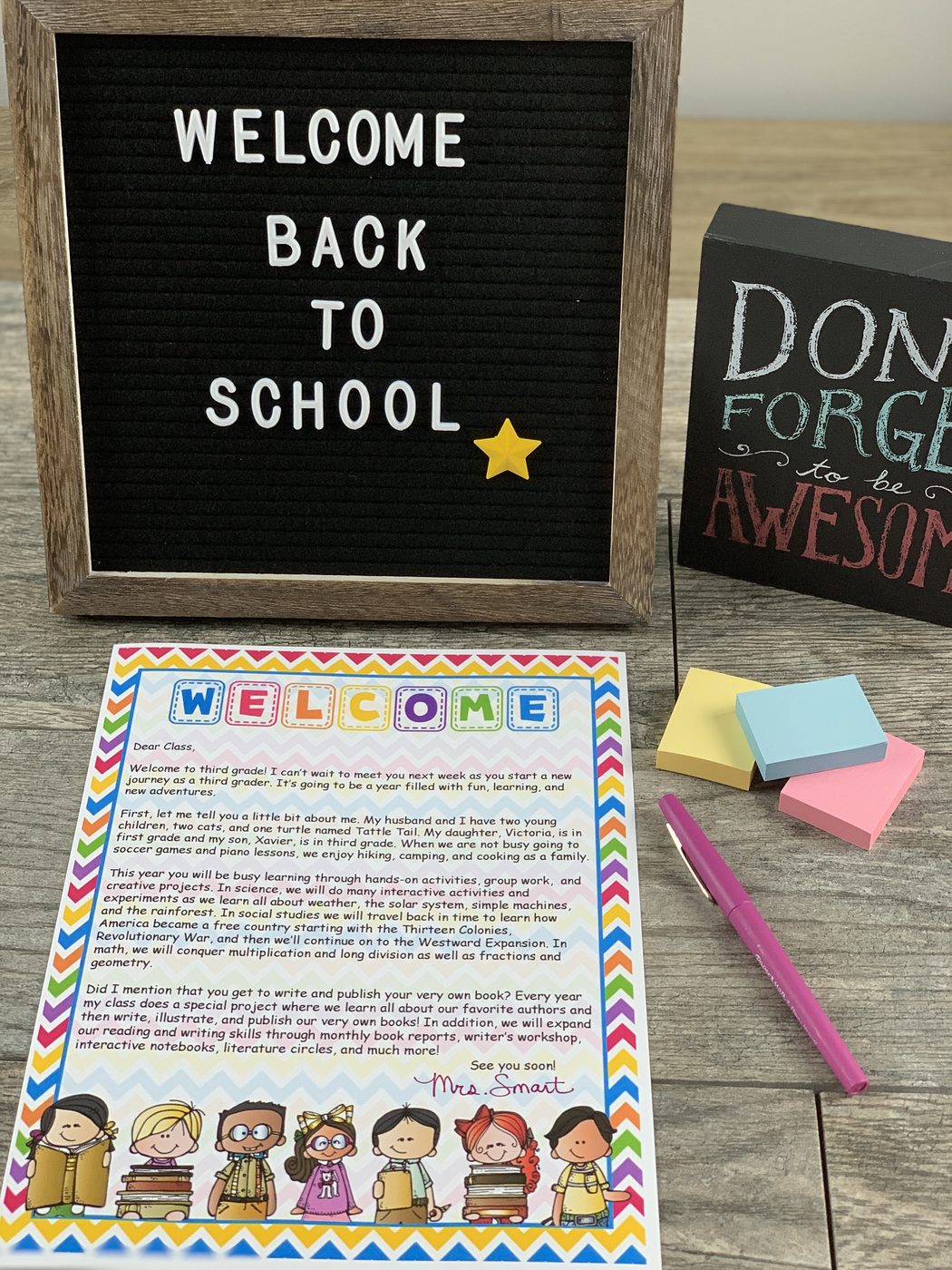
    A printed welcome back to school letter on a desk with markers and a letter board

    2. One True Thing About You

    Parents and students both want the same thing here, and it is not your credentials.

    Give them one small, specific, genuinely true detail. The dog. The turtle named Tattle Tail. The fact that you grew up two towns over. Something a person could ask you about in the hallway.

    “First, let me tell you a little about me. My husband and I have two young children, two cats, and one turtle named Tattle Tail. When we are not busy going to soccer games and piano lessons, we enjoy hiking, camping and cooking as a family.”

    Your teaching experience still belongs in there, in about one line. Say it once, plainly, and move on. Long credential paragraphs read as nervous, and nobody was doubting you to begin with.

    If you want to go deeper on the relationship side of this, I wrote a whole post on the teacher introduction letter and how to write one parents actually answer.

    3. A Sneak Peek of the Year

    This is the part that gets read twice, and it is the part most letters skip. Kids want to know what is coming. Parents want to know their child is going somewhere.

    Be concrete. Name real units, real projects, real books:

    “This year we will dive into some fascinating topics like exploring outer space, discovering new animals, and even creating our own stories.”

    “In social studies we will travel back in time to learn how America became a free country, starting with the Thirteen Colonies and the Revolutionary War, and then continuing on to the Westward Expansion. In math, we will conquer multiplication and long division as well as fractions and geometry.”

    “Did I mention that you get to write and publish your very own book? Every year my class learns all about our favorite authors, and then we write, illustrate and publish our own.”

    Two or three specifics beat a general promise every time. “We are going to have a great year” is a sentence nobody remembers. “You will publish your own book” gets read out loud at the dinner table.

    4. How the Room Works, in Three Lines

    Expectations do belong in the letter. They just do not belong in the majority of it, and they read better as a description of the room than as a list of consequences.

    Three lines is usually enough:

    • How you want people to treat each other. One sentence, stated positively
    • The one routine families need from day one. Usually the folder, the reading log or the homework night
    • Anything they need to bring or do before the first morning

    The rest of it, the full behavior plan, the supply list, the schedule, is for the first week and for Meet the Teacher night. A letter that leads with rules turns into the only thing anyone remembers, which is exactly the mistake I made.

    The Center for Parent Information and Resources has good guidance on this written from the family’s side of the desk, and it is worth reading before you decide how much of the handbook to include.

    5. How to Reach You, and a Question Worth Answering

    Close with two things: how to contact you, and an invitation to actually use it.

    “If you ever have questions, want to share something exciting, or need some extra help, I am always here for you. You can reach me through email or during our classroom discussions.”

    Then, for the parent version, add the question:

    What is one thing you would like me to know about your child?

    Make it easy to answer. A tear-off strip, a reply email on its own line, a number they can text. What comes back is worth more than anything in the file, and it arrives in week one instead of week fourteen.

    It is also the highest-return twenty minutes of the year. In a randomized study, Matthew Kraft and Shaun Dougherty found that regular teacher to family communication raised the odds a student completed their homework by 42 percent and reduced how often teachers had to redirect students. The letter is where that communication starts. Reading Rockets’ collection on family engagement is worth a read if you want to understand why that first contact carries so much of the year’s weight.

    Quote: Write the letter you would want to receive about your own child.

    The Student Version and the Parent Version Are Different Letters

    They cover the same year, but they are not doing the same job, and sending one to both audiences is why so many welcome letters read as slightly off.

    • The student letter is shorter, warmer, and mostly about what is coming. Read it out loud in your head. If a seven year old would lose the thread, cut a sentence
    • The parent letter carries the practical details, the contact information and the question. It can run a little longer, but not much

    If you send only one, send the parent version and read the student version out loud on day one instead.

    Recap: a greeting that uses their name, one true thing about you, a sneak peek of the year, how the room works in three lines, and how to reach you plus a question

    Frequently Asked Questions

    When should a welcome back to school letter go out? About a week before the first day. Early enough to be read calmly, close enough that it still feels current. If your school mails a packet, send yours in it.

    How long should it be? One page. If it is running to two, the extra page is almost always rules or supplies, and both of those have better homes.

    Should I add a photo of myself? Yes, especially in elementary. It is what gets the letter onto the refrigerator, and it means a nervous child walks in on day one already knowing what you look like.

    What if I do not know my class list yet? Write “Dear Families” and send it anyway. A slightly generic letter that arrives on time beats a personalized one that arrives on the second day.

    What about families who speak another language? Translate it. Colorín Colorado has free guidance on family communication that is genuinely worth your time, and the families it reaches are usually the ones a welcome letter matters most to.

    One More Thing Worth Saying

    A welcome letter is twenty minutes of work, once a year, and it sets the tone for every conversation that follows it.

    Whatever you spend the most words on is what people will believe you care about. Spend them on the child, on the year ahead, and on being reachable. The rules will keep until the first week, and they will land better once everyone already likes you.

    Write the letter you would want to receive about your own kid. That instinct is almost always right.

    If You Would Rather Not Start From a Blank Page

    Editable welcome back to school letters for students and parents with more than 25 designs

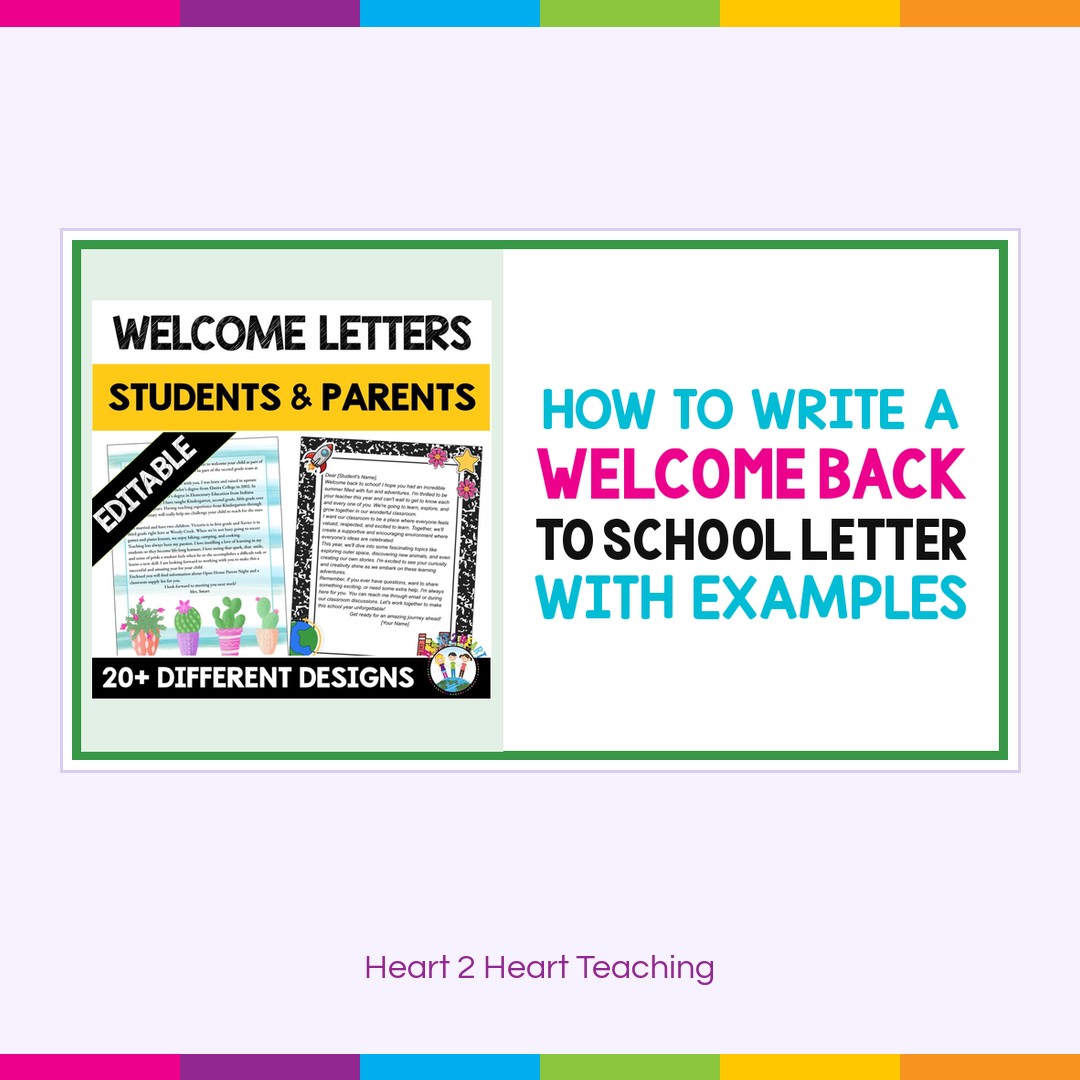
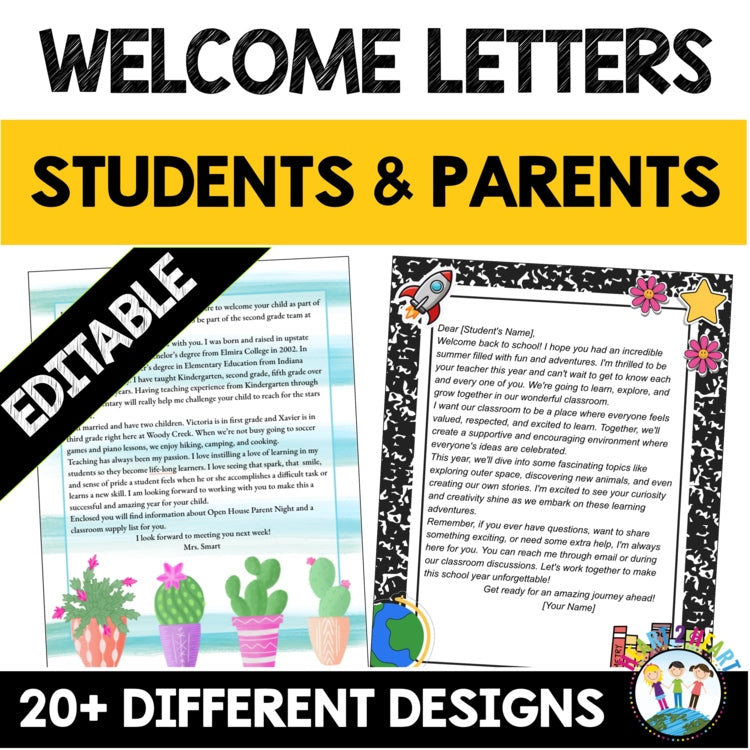
    The Welcome Letters template pack has 25+ designs with separate versions for students and for parents, so both letters match. They are editable in Google Slides, which means you can type your own words over the design and either print them or send them digitally. There are example letters included too, if you would rather start from wording and change it than start from nothing.

    A printed rainbow welcome letter for students on a desk with markers

    The Open House PowerPoint picks up where the letter stops. It holds 24 editable slides for arrival, dismissal, homework folders, the reading program, birthdays, field trips and volunteer signups, in a design that matches the welcome letters.

    Keep Going

    The teacher introduction letter that puts parents on your side, for the relationship the letter is really building.

    The meet the teacher letter that does the talking for you, for the night itself.

    How to write a welcome back to school letter, with examples

  • The Fight is Real: How to Nix Nature-Deficit Disorder with Your Kids

    The Fight is Real: How to Nix Nature-Deficit Disorder with Your Kids

    Guest post by Susan Good from Retired Educator

    Nature-deficit disorder is real, and it’s proving to be a real threat. It’s a noticeable fact that the children of today are as far removed from nature as humans will ever be as they veer closer and closer to technology. As a result, they’re missing out on nature’s inherent rewards, which can lead to serious health consequences. So today, we are sharing some resources to help you understand why our connection to the outdoors matters and how to get your kids back to nature for good.

    Mother Nature’s Gifts

    Learn about the many benefits of spending time outdoors and how being in nature can affect your children’s well-being.

    Best Outdoor Activities

    To truly appreciate nature, take the family on an outdoor adventure!


    Bring the Outdoors Indoors

    When the weather doesn’t cooperate, introduce Mother Nature into your living space.

    Explore a National Park

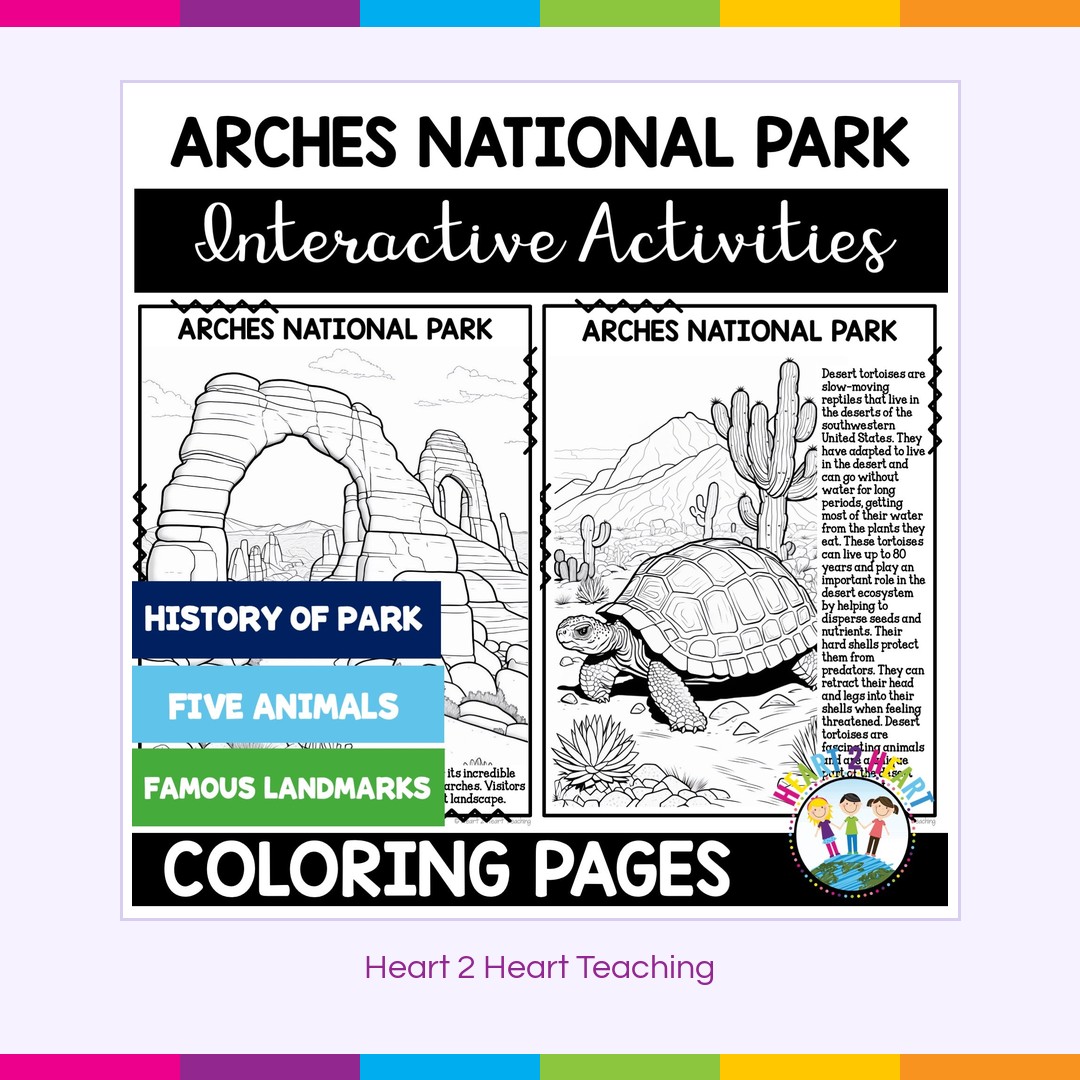
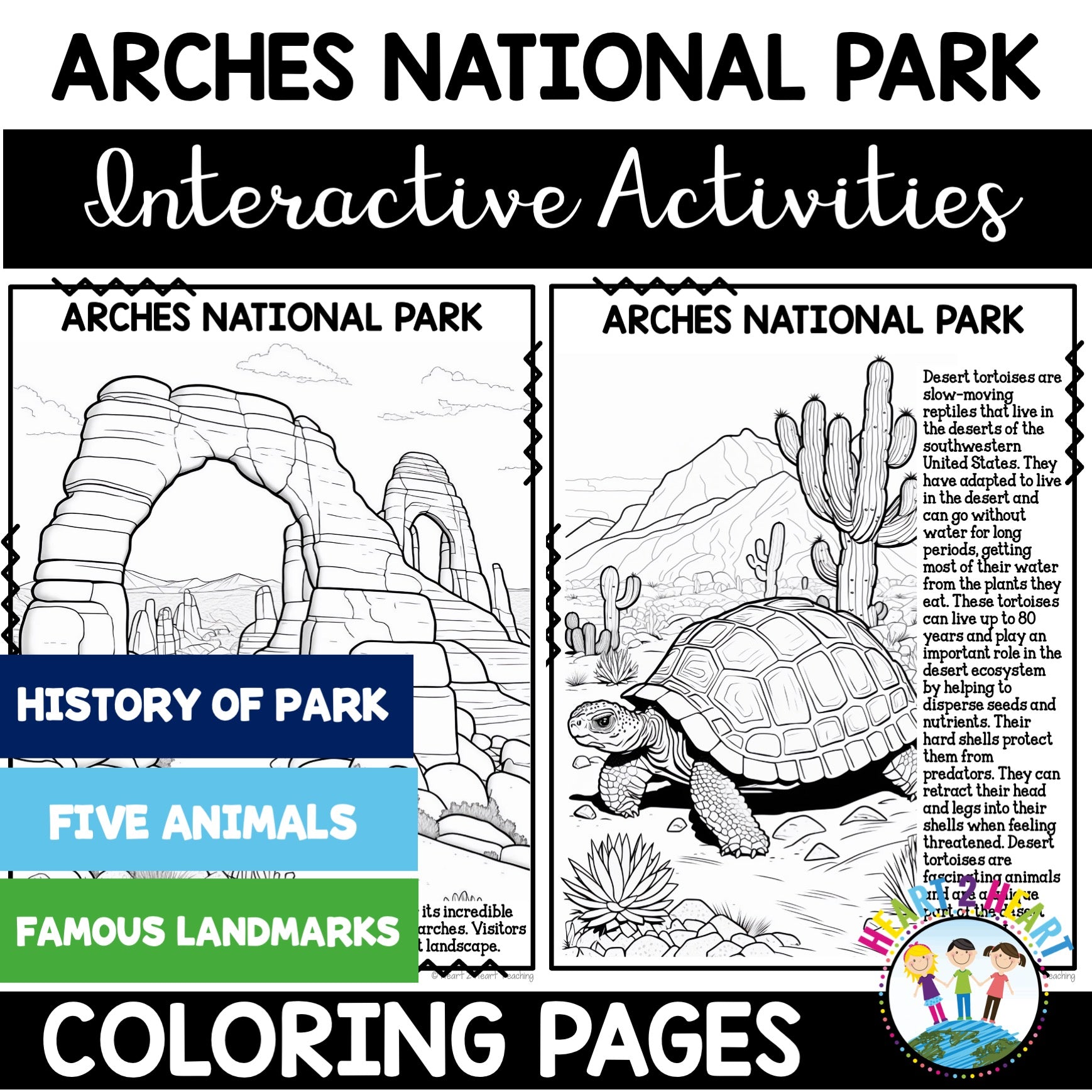
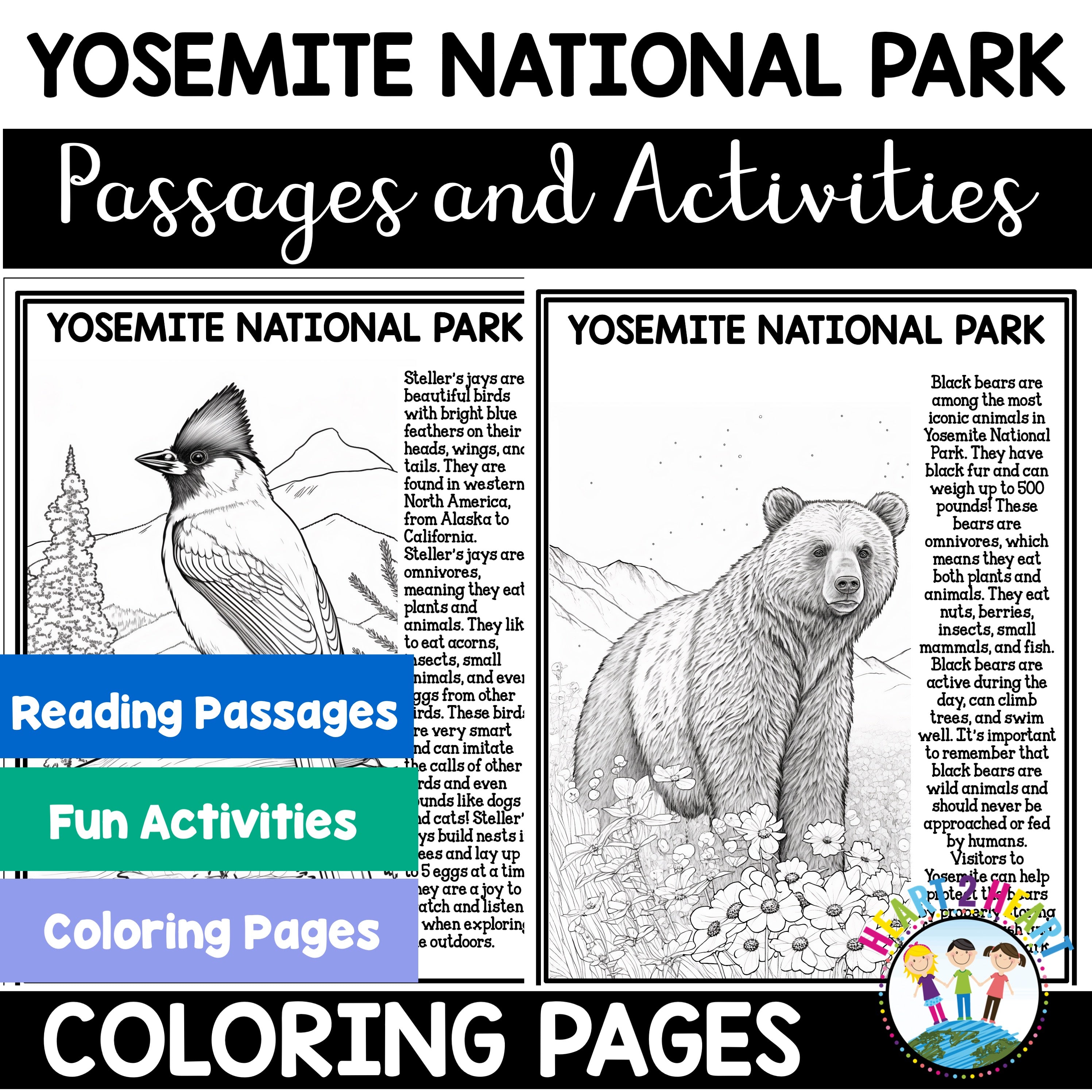
    Visiting a national park with kids can be an excellent way to provide them with a unique educational experience and foster a love of nature and the outdoors. If you can’t go in person, take a peek at our National Park Coloring Book series that feature famous landmarks and animals that call the park home. 

    Ultimately, going back to nature is much easier than you might expect as long as you keep it fun and engaging. In time, your kids will recognize what a true gift you’re giving them by taking them away from their gadgets and getting them outside.

  • 6 Reasons Why You Should Visit a National Park With Kids

    6 Reasons Why You Should Visit a National Park With Kids

    Visiting a national park with kids can be an excellent way to provide them with a unique educational experience and foster a love of nature and the outdoors. And it’s fun family time!

    Visiting a national park with kids can be beneficial for many reasons:

    1. Educational opportunities: National parks offer many educational opportunities for kids, including learning about the natural environment, ecosystems, geology, wildlife, and more. Many national parks provide ranger-led programs, educational exhibits, and hands-on activities that can help kids learn about science, history, and conservation in fun and engaging ways.
    2. Physical activity: Many national parks offer hiking trails, bike paths, and other opportunities for physical activity. Encouraging kids to be active can help promote physical fitness, reduce stress, and improve overall well-being.
    3. Exposure to new experiences: Visiting a national park can expose kids to new experiences that they may not have otherwise had, such as seeing unique wildlife or experiencing a different landscape. Exposure to new experiences can help broaden their horizons and develop their sense of curiosity and wonder about the world around them.
    4. Conservation awareness: National parks are important conservation areas, and visiting them can help kids learn about the importance of protecting and preserving natural habitats and ecosystems. By seeing firsthand the beauty and diversity of nature, kids can develop a greater appreciation for the environment and a sense of responsibility for its protection.
    5. Family bonding: Visiting a national park with kids can be a great way to bond as a family and create lasting memories. Spending time together in nature can help build strong relationships and develop a sense of shared experience and adventure.
    6. Kids will love learning about the different animals that live in the National Parks with these creative coloring pages. If you can’t go in person, take a peek at our National Park Coloring Book series that feature famous landmarks and animals that call the park home. 

    Take a look at some of these unique National Park activity packs to get kids excited about visiting a National Park. Each unit includes information and coloring pages about famous landmarks, history, and animals they might see while visiting the park. This is a great way to introduce to information about the park in a fun and engaging way. 

    Visiting a national park with kids can be an enriching and rewarding experience providing numerous educational, physical, and emotional benefits.

  • 4 Reasons Why Coloring Should Be Part of Every Student’s Daily Routine

    4 Reasons Why Coloring Should Be Part of Every Student’s Daily Routine

    As a parent or teacher, you might be surprised to find out that coloring is not just a fun activity for kids. In fact, it’s something that can benefit students of all ages in ways you might have yet to consider. Research has shown that incorporating coloring into a student’s daily routine can have a multitude of benefits that can positively impact their academic and personal life. From improving focus and concentration to reducing stress and anxiety, there are many reasons why coloring should be a part of every student’s daily routine. So, let’s dive in and explore why coloring is more than just child’s play.

    Improves Focus and Concentration

    Research has shown that incorporating coloring into a student’s daily routine can have many benefits that can positively impact their academic and personal life. One such benefit is improved focus and concentration. By engaging in a calming and repetitive activity like coloring, students are able to enter a state of flow, where they lose track of time and become fully immersed in what they’re doing. This can help them concentrate better and stay focused on their schoolwork for longer periods of time.

    In fact, studies have found that coloring can be just as effective as meditation in reducing anxiety and promoting relaxation. When students are feeling stressed or overwhelmed, taking a few minutes to color can help them calm down and clear their minds. This can help them approach their schoolwork with a clearer and more focused mindset, leading to better academic performance.

    By incorporating coloring into their daily routine, students can reap the benefits of improved focus and concentration, as well as reduced stress and anxiety. These benefits can translate to better academic performance, and a more positive and productive overall experience in school. So, whether you’re a parent, teacher, or student yourself, consider adding a little bit of color to your daily routine and see how it can positively impact your life.

    Reduces Stress and Anxiety

    Studies have found that incorporating coloring into a daily routine can reduce stress and anxiety, making it an ideal activity for students. When feeling overwhelmed or anxious, taking a few minutes to color can have the same effect as meditation, calming the mind and allowing for clearer focus. This clear mindset can lead to better academic performance and a more positive overall experience in school.

    By adding a little bit of color to their day, students can reap the benefits of improved concentration and reduced stress. This, in turn, can positively impact their academic performance and overall well-being. Furthermore, when creativity and imagination are also boosted by coloring, students can see even more benefits in their academic and personal lives.

    So, please take a few minutes each day to color and see how it positively impacts your life. With improved focus, reduced stress, and greater creativity, coloring can be a valuable addition to any student’s daily routine.

    Boosts Creativity and Imagination

    Coloring is not only a fun activity but also has numerous benefits for students. Besides reducing stress and improving concentration, coloring can boost creativity and imagination. When students color, they are challenged to select colors and think of creative ways to bring life to their drawings. This stimulates the imagination and encourages out-of-the-box thinking. Coloring also allows students to express themselves artistically without the pressure of being perfect or judged. It is an excellent way for students to relax and let their creative juices flow.

    In addition to the mental benefits of coloring, it also positively impacts fine motor skills. As students color, they develop better control over their hands and fingers, which can translate to improved handwriting and other fine motor-related tasks. This, in turn, can positively impact their academic performance and overall well-being.

    So, coloring can be a beneficial addition to any student’s daily routine, whether during a break between classes or as an after-school activity. By improving focus, reducing stress, and fostering creativity, coloring can have a significant impact on a student’s personal and academic life.

    Develops Fine Motor Skills

    In addition to the many mental benefits of coloring, it’s also a great way to develop fine motor skills. For students, this means they can improve control over their hands and fingers, which can translate to better handwriting and other fine motor-related tasks.

    Coloring requires students to hold and manipulate pencils or crayons with precision and control. As they fill in coloring pages, they build strength and dexterity in their hands, fingers, and wrists. This can help them improve their grip and ability to manipulate small objects, benefiting many areas of their lives.

    Research shows that students with strong fine motor skills often have better academic performance, particularly in math and language arts. In addition, by improving their ability to hold and control writing tools, they can improve their writing speed and legibility, which can help them excel in every subject.

    Coloring can also be a relaxing and stress-reducing activity. So, it’s an excellent way for students to take a break between classes or as an after-school activity. By improving their focus, reducing stress, and fostering creativity, coloring can have a significant impact on a student’s academic and personal life.,

    Earth Day Coloring Pages

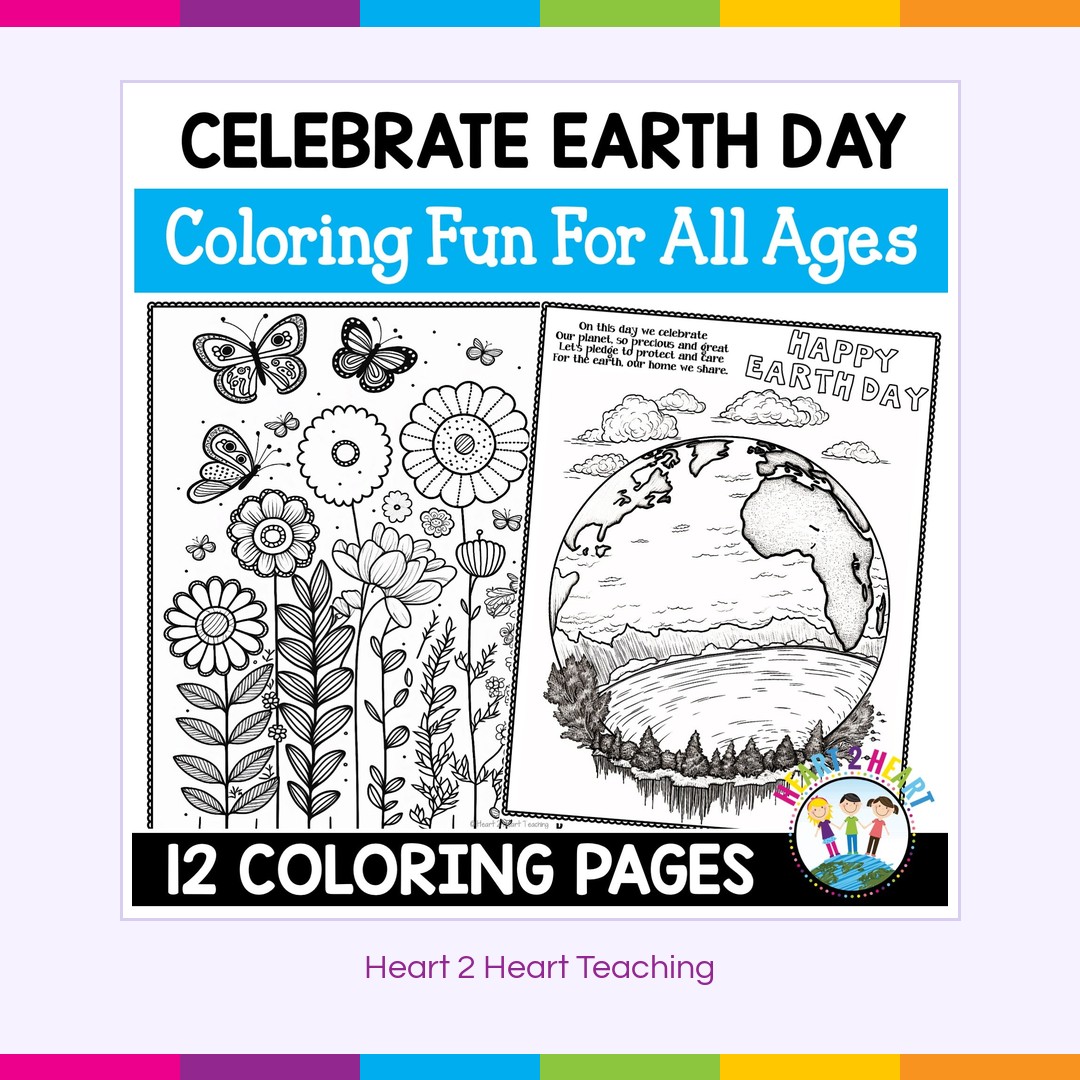
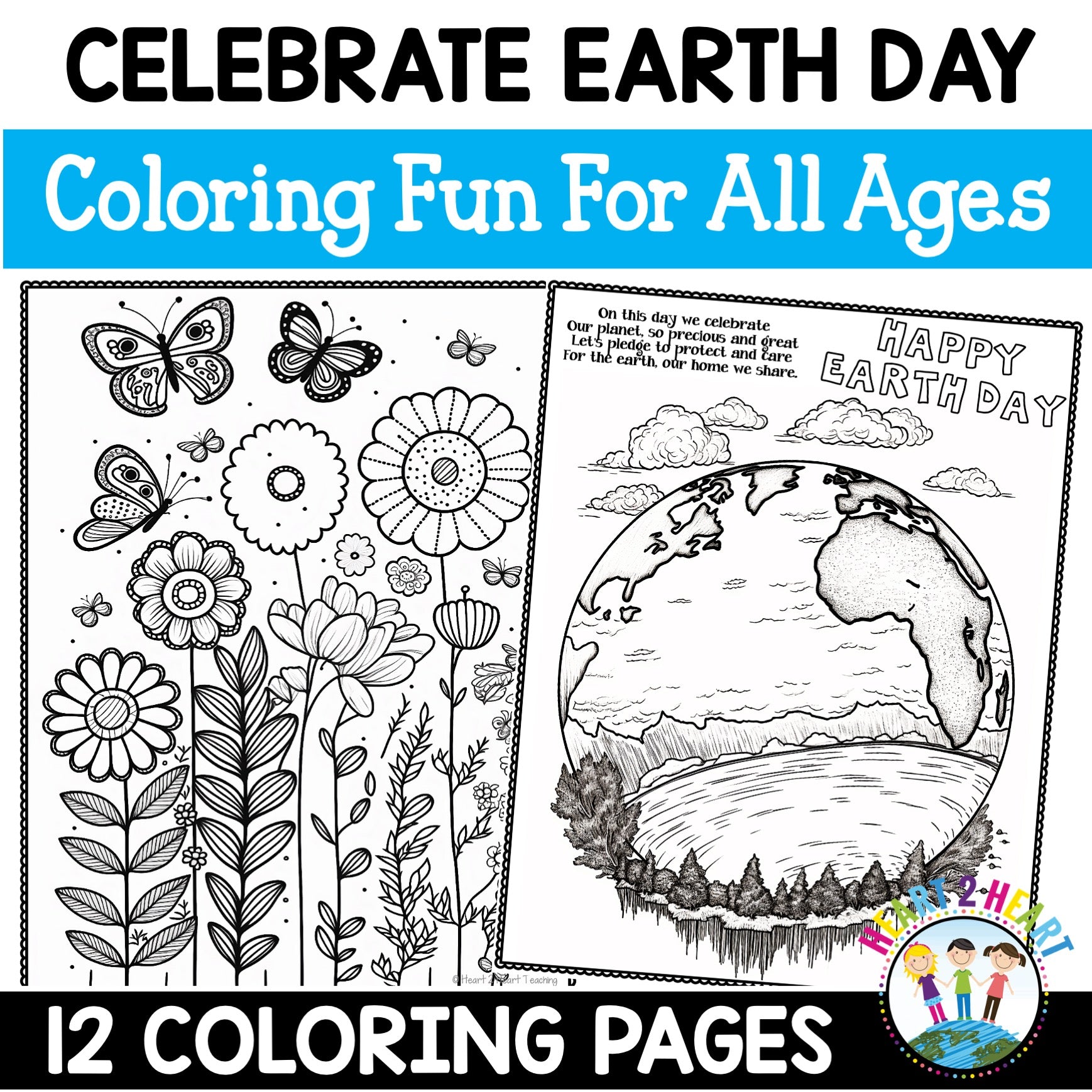
    What better way to celebrate Earth Day than by educating the next generation about the importance of taking care of our planet? Use our Earth Day coloring pages for a fun and educational tool for children. This collection of 12 doodle coloring pages is a great way to teach children about environmentalism and the importance of preserving our planet. We’ve covered it, from the three Rs to appreciating nature. 

     Coloring is far more than just a simple pastime. By incorporating coloring into a student’s daily routine, they can benefit from a sharper focus, reduced stress and anxiety, heightened creativity and imagination, and improved motor skills. So, consider adding a splash of color to your daily lesson plans, whether you’re a parent or a teacher. As Albert Einstein once said, “Creativity is intelligence having fun,” and coloring is a great way to make that happen for your students.

  • 5 Lucrative Side Hustles for Teachers

    5 Lucrative Side Hustles for Teachers

    Guest post by Susan Good from Retired Educator

    As a teacher, you might have struggled through a difficult, tumultuous few years in the workforce. Right now, many people in education are facing numerous challenges at work, from tough conditions in the classroom to wages that aren’t sufficient to meet the rising costs of living. If you’re interested in starting a side hustle for extra income, Heart 2 Heart Teaching has some tips and resources to help you get started!

     Start Your Own Business

    No matter what side hustle you choose to focus on, you might benefit from officially forming your own business. Even if you’re only working on these projects for a few hours per week, you can still gain some perks for registering with the right business structure! By filing for LLC status in your state, you can protect your personal financial assets with limited liability. Furthermore, you’ll get some tax breaks to help you save even more money!

    5 Lucrative Side Hustles for Teachers

    If you don’t want to pay a lawyer to handle the filing process for you, you can either submit the documents on your own or work with an online formation service for additional support. Remember, every state has its own list of requirements for forming an LLC, but there are online formation services that can be a big help, so do some research on the best LLC services in your area before you get started.

    Next, don’t forget to advertise! Infographics are a great way to spread the word, thanks to their unique combination of eye-catching pictures and linguistic brevity. If you aren’t sure where to start, there are a number of infographics templates that you can use for free! From there, you can share your new infographics via Instagram to reach a large audience of potential customers.

    Tutoring

    Lots of teachers pick up tutoring as a side hustle. If you want to maximize your earning potential as a private tutor, We Are Teachers recommends researching tutoring rates in your area and factoring your professional experience into your rates. Make sure to let families in your area know that you’re offering tutoring services, and don’t be afraid to promote yourself online and in-person!

    Pet Care

    Do you love animals? Why not offer dog walking services on the weekends? You could also walk dogs in your neighborhood before or after school hours. Walking dogs can be a great way to get some exercise, enjoy the fresh air, and de-stress!  5 Lucrative Side Hustles for Teachers

    Pet sitting can also be a fantastic side hustle for teachers. While watching your clients’ pets, you can grade papers, write up lesson plans, and tackle other tasks related to your teaching job.

    Become a Freelancer

    You’re an expert in the world of education, and you can share your wisdom with the world through writing. If you’re interested in becoming a freelance writer, Wise recommends setting up a personal website with a few writing samples and then networking to land your first clients. Many Teacher-trepreneurs hire Virtual Assistants (VAs) to help them run their businesses.

    A virtual assistant is an independent contractor who provides administrative services to clients. Virtual Assistants often specialize in specific tasks from marketing to product photography to website design. A great place to start looking at freelancing jobs is Upwork. You can also search for Ffacebook groups that are specific to your niche. 

    In addition to writing for websites and publications that cover education, you can sell worksheets and lesson plans that you’ve already created. While designing your own worksheets and templates does require some basic graphic design skills, free design apps make it easier!

    Create an Online Course

    What if you don’t have the time, or desire, to tutor students one-on-one? You can still bring in additional income by offering an online course that parents or older students can download at any time. Developing an online course does take time and effort, but once you’ve finished it, you can put it up for download and earn passive income. Just remember that you may have to update certain modules as time goes on – you want to make sure that the information provided in the course is always accurate and relevant.

    For teachers, having part-time jobs is nothing new. Today, you have more options than ever for starting a side-hustle that doesn’t interfere with your full-time teaching position. By taking on one of these side hustles, you’ll be able to boost your income and expand your skill set.

    Heart 2 Heart Teaching offers a variety of activities to use in your classrooms. Please feel free to follow us on Facebook, or browse our Pinterest boards for inspiration on everything from bulletin board displays to seasonal crafts to do with kids.

  • What’s the Deal with Differentiated Instruction?

    What’s the Deal with Differentiated Instruction?

    As a teacher, you know that there are many different ways to teach your students. It’s important that you are flexible as a teacher to different strategies that can help make learning easier and more fun for your students. Because students learn in different ways, you need to remain in tune to what your students are feeling and what concepts exist to make it easier for you to teach to your students’ needs.

    Differentiated instruction is one of the most important concepts for a teacher to embrace in their classroom. It gives students the best opportunity to learn the material they are being taught. It is based on the concept that not every student learns in the same way. Here, we’ll take a closer look at the importance and benefits of differentiated instruction.

    Teaching According to Learning Style

    Differentiated instruction is intended to ensure that every student learns in a way that is best suited to them. Students tend to learn differently. There are three learning styles:

    1. Auditory: Students learn through listening.
    2. Visual: Students learn based on the things they see, such as pictures and images.
    3. Kinesthetic: Students learn by being physically involved or through their sense of touch. 

    A visual learner will typically have a difficult time learning when they are only given an auditory lesson, while an auditory learner will have a hard time learning through a project that allows them to use their sense of touch.

    Differentiated instruction helps ensure that you teach in a way that best accommodates each student’s learning style. 

    Teaching in Multiple Ways

    When you choose to embrace differentiated instruction, it means delivering the same material in different ways. This not only will help ensure that every student in the room has the chance to learn in a way that best suits their own personal learning style, but students will also go over the same material over and over again. The repetitiveness may make the material easier for them to remember.

    One of the most important parts of differentiated instruction is that it allows you to reach every student, no matter where they are in the learning process or what way they learn the best. It creates a more diverse learning experience for everyone involved.

    That is why many of our social studies and science units include various activities to help you meet all your student’s needs.

    Kinesthetic with Outdoor Learning Centers

    Take advantage of the pleasant weather and get the students up and moving outdoors. Our Major Landforms Unit for Interactive Notebooks is the perfect example of how this works.  Plan ahead of time of where you could set up your outdoor learning centers.  Remember to review the rules ahead of time. Let students know if they don’t follow the rules then you’ll have to bring them back inside. That is usually enough to stop any misbehaviors.

    The following 12 major landforms are included in this unit:
    *Island
    *Lakes
    *Valley
    *Volcano
    *Rivers
    *Peninsula
    *Glaciers
    *Mountains
    *Canyons
    *Oceans
    *Swamps and Marshes
    *Delta

    There are twelve Landform Foldable Booklets with questions and scenes about each landform for students to read, answer questions, cut, paste, and color. These foldable booklets fit perfectly inside their interactive notebooks and provide a tool for students to come back to review at any time.

    In addition, there are also twelve Landform Posters with a brief info and a real-life photo so students can visualize and connect to the information. The landform posters can be placed in at centers, a learning station, or a creative bulletin board display.

    Create an outdoor learning station about each of the landforms. Be sure to put the foldable booklets and landform photo poster at each station or center. Each passage gives a definition of the landform and an example of one so students can form a connection to the information. You could have the students work in pairs or group work.

    The foldable booklets have four questions for students to answer. There is also a related landform scene for students to color. They can use the posters with real-life photos to help them visualize and connect to the information.

    Providing different activities like taking the students outside is just one of many ways to differentiate learning in your classroom. These are just some of the benefits of differentiated instruction and why it’s so important to implement it in your classroom.